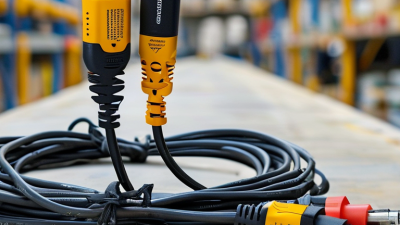
10 Cable Wire Buying Tips for Global Buyers

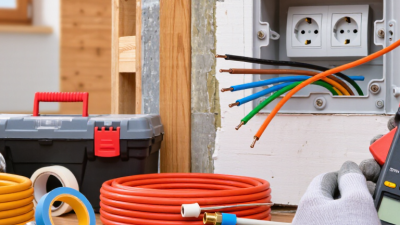
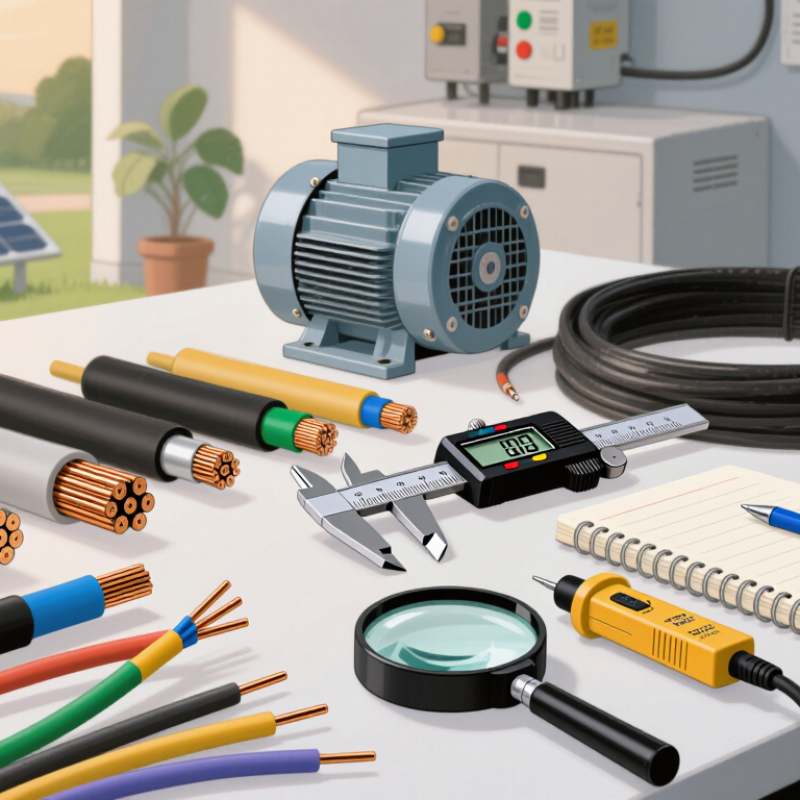
Global buyers rarely choose cable wire by appearance alone. A black jacket and a neat coil reveal little about conductor material, insulation, or performance under load. The right choice starts with the application: a factory motor, an outdoor solar array, and a building control panel each place different demands on a cable. Small details matter. A cable routed beside hot machinery may need different insulation from one buried in a cool, dry setting.

Cable-rating expert George J. Anders’ work offers a useful lesson. A practical paraphrase—not a verbatim quotation—is: “Installation conditions shape cable capacity as much as the cable itself.” Buyers should therefore check conductor size, voltage and temperature ratings, insulation type, and environmental exposure together. This guide’s ten tips also cover required testing documents, supplier capability, sample inspection, lead times, and landed cost. Ask for traceable test reports, not just a polished brochure. Compare quotations line by line.

Price deserves attention, but it is not the whole decision. A lower quote can hide thinner conductors, unclear specifications, or delivery assumptions that do not fit the project. Still, a high price is no proof of quality. Verify the details. Confirm that the stated product matches the purchase order and intended installation. Where specifications remain vague, pause and ask the supplier to clarify them in writing. Buyers sometimes miss this step; it is an easy mistake to repeat. These practical checks help global teams compare offers with greater confidence, reduce avoidable surprises, and select cable wire suited to real operating conditions.
10 Cable Wire Buying Tips for Global Buyers

Identify the Application, Environment, and Required Cable Performance

Before comparing prices, define where and how the cable will operate. A control cable inside a dry cabinet faces different demands from a power cable beside a washdown line. Record the load, voltage, current, installation route, and whether the cable moves, bends, or stays fixed. Small details matter. A moving cable may need finer-stranded conductors and a jacket designed for repeated flexing.

Next, map the environment along the entire route. Note likely exposure to moisture, sunlight, oil, chemicals, dust, heat, cold, vibration, and abrasion. For example, a pump cable outdoors may face UV exposure near the motor and standing water near the ground. One cable section can encounter several conditions. Do not assume that “indoor” or “industrial” describes them well enough.

Translate these observations into required performance: conductor size, insulation and jacket materials, temperature range, voltage rating, shielding, and fire behavior where the project specification requires it. Confirm ratings against the actual installation method and applicable technical standards; a catalog description alone may not resolve every site condition. Ask the supplier to identify assumptions, especially when the route or chemical exposure is uncertain. A neat specification can still miss something. Revisit it with the installer before ordering, because field changes are often harder than they look.

10 Cable Wire Buying Tips for Global Buyers - Identify the Application, Environment, and Required Cable Performance
Tip Buying Consideration Application and Environment Performance to Specify What to Verify Before Ordering
1 Define the application Identify whether the cable is for fixed building wiring, industrial equipment, control circuits, data transmission, or a moving installation. Specify the circuit function, system voltage, load, installation method, and whether the cable must flex during service. Provide the equipment or system requirements and confirm that the cable type is permitted by the applicable local electrical rules.
2 Confirm system voltage and rating Voltage requirements depend on the electrical system and the cable’s intended location. State the nominal system voltage and required cable voltage rating. For example, IEC 60502-1 covers power cables with extruded insulation rated from 1 kV (Um 1.2 kV) up to 30 kV (Um 36 kV). Check the voltage marking and datasheet against the project specification; do not select a cable based on conductor size alone.
3 Select conductor material and class Consider current requirements, connection terminals, installation conditions, and whether the cable will be stationary or repeatedly flexed. Specify copper or aluminium, conductor cross-sectional area, and conductor class. IEC 60228 defines conductor classes, including solid, stranded, and flexible conductors. Check conductor material, cross-sectional area in mm², conductor class, and compatibility with terminals and approved connection methods.
4 Assess temperature conditions Account for ambient temperature, nearby heat sources, bundling, enclosure conditions, and the cable’s operating duty. Specify the required conductor operating temperature and any short-circuit temperature requirement stated by the project design. Review the manufacturer’s ratings and correction factors; allowable current can be affected by ambient temperature, grouping, and installation method.
5 Match the insulation and sheath to the environment Consider indoor or outdoor use, moisture, chemicals, oil, sunlight, abrasion, and the installation surface. Choose insulation and outer-sheath materials with documented resistance appropriate to the specific exposure. Outdoor installations may require verified UV and weather resistance. Request the material description and test evidence for relevant exposures. Do not assume that a general-purpose sheath is suitable for every chemical or outdoor condition.
6 Check flame and smoke requirements Building routes, escape paths, public facilities, and grouped cable runs may have specific fire-performance requirements. Specify the required flame-propagation test and, where applicable, smoke and halogen-acid-gas requirements. IEC 60332, IEC 61034, and IEC 60754 address different fire-related test properties. Confirm the exact test standard, test method, and project acceptance criteria; one fire test result does not establish performance in every fire condition.
7 Decide whether shielding or armour is needed Shielding may be required for electromagnetic compatibility in signal or control circuits. Armour may be specified for mechanical protection in some installations. Define shield type and coverage, grounding arrangement, or armour construction according to the system design and installation risk. Confirm the cable construction, grounding instructions, bending limits, and whether the chosen armour or shield meets the project specification.
8 Plan installation and movement Consider conduit or tray routing, bend radius, pull length, vibration, repeated movement, and available space. Specify minimum bending radius, installation pulling limits where provided, and flexing requirements for moving equipment. Check the datasheet for installation and operating bend-radius limits; these may differ, and repeated-flex applications require an appropriate cable design.
9 Check approvals, tests, and traceability Requirements vary by destination market, installation type, and applicable regulations or project standards. List the required standards, approvals, routine tests, and documentation in the purchase specification. Request current test reports or certificates relevant to the ordered construction, plus batch identification and inspection records where required.
10 Specify order details and delivery requirements International procurement can involve different units, packaging methods, shipping routes, and inspection requirements. State conductor size and material, core count, cable length, tolerances, marking, packing, and required delivery documents. Confirm the datasheet revision, sample approval if needed, drum or coil details, shipping marks, and inspection requirements before production.

Compare Conductor Materials, Insulation Types, and Cable Construction

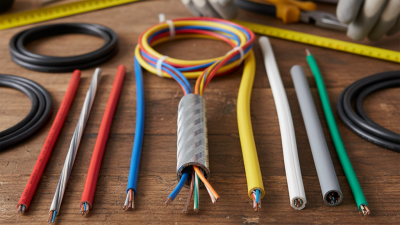
A cable’s conductor affects more than its purchase price. Copper offers high conductivity and is often selected where space is limited. Aluminum weighs less and can suit long runs, but its larger size and termination requirements need careful review. Compare resistance, current, route length, and connection hardware—not just the metal’s price per kilogram. Small details matter.

Insulation should match the cable’s environment. PVC is common for general-purpose applications, while XLPE is often chosen for higher temperature ratings. Confirm the specified operating temperature and check exposure to sunlight, oil, moisture, or chemicals. A broad label such as “industrial grade” is not enough; request the actual material and performance data. Not always obvious.

Cable construction matters too. Solid conductors can work well in fixed installations, while stranded conductors bend more easily during routing. Look at strand class, conductor cross-section, sheath thickness, and any required shielding or armor. These features affect flexibility, protection, and installation effort. A heavier cable is not automatically a better one. Match construction to the installation, then verify the datasheet against the real conditions on site. There is room for judgment here, and buyers should record why a specification was accepted.

Check Technical Specifications and Destination-Country Standards

A cable may match the drawing and still fail at the destination. Check conductor material, cross-sectional area, voltage rating, insulation, temperature range, and fire performance against the project specification. The IEA’s 2023 report, Electricity Grids and Secure Energy Transitions, estimates that 80 million kilometres of grids must be added or replaced by 2040. That scale makes consistent specifications and verified test records essential.

Check the required standards for the destination market, not just the factory’s usual standard. IEC 60228 defines conductor classes and nominal cross-sectional areas; IEC 60502-1 covers certain power cables rated from 1 kV to 30 kV. In the EU, EN 50575 applies to reaction-to-fire performance for cables used in construction works. North American projects may require different certifications. Confirm the exact edition and local acceptance requirements with the engineer or inspection body.

Ask for test reports that identify the cable construction, test method, sample, and result. Match every line to the purchase order. A generic certificate is not enough. Small differences matter. I have seen teams focus on conductor size and miss the sheath’s temperature rating; it is an easy mistake, and specifications are not always clear. If a requirement is ambiguous, get written confirmation before production, then keep the approved documents with the shipment.

10 Cable Wire Buying Tips for Global Buyers — Check Technical Specifications and Destination-Country Standards

Typical maximum continuous conductor temperatures are commonly 70°C for PVC and 90°C for XLPE and EPR insulation. Ratings vary by cable construction and applicable standards, so confirm the product datasheet and destination-country requirements before purchasing.

Evaluate Suppliers, Certifications, Samples, and Quality Controls

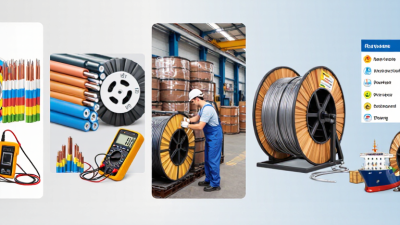
Choosing a cable supplier takes more than comparing price sheets. Ask who makes the cable, where production happens, and which tests are performed in-house. Request certificates that match the exact cable construction and intended market. Check certificate numbers with the issuing body when possible; a PDF alone is not proof. Small detail, big difference.

Before a large order, request a production sample and its test report. Measure conductor size and insulation thickness, then inspect the jacket for cracks, uneven coloring, or unclear markings. Flex a sample gently and check whether the printed information stays legible. Keep an approved sample as a reference. It may not represent every production run, but it gives both sides something concrete to compare.

Review the supplier’s quality controls, too. Ask how incoming materials are checked, how test equipment is calibrated, and what happens when a batch fails inspection. A clear answer should include records, responsible staff, and a process for corrective action. If details remain vague, pause. I have seen buyers focus heavily on certificates and overlook routine production checks; that is an easy mistake to repeat. Ask for inspection records from a recent batch, while recognizing that one good report cannot guarantee consistent quality.

Review Pricing, Shipping, Documentation, and After-Sales Support

When comparing cable-wire quotes, normalize conductor metal, cross-section, insulation, voltage rating, testing, minimum order, and Incoterm. Ask whether copper or aluminum pricing is fixed or indexed, and how long the quote remains valid. Request separate costs for reels, testing, and export packing. A low unit price can hide short lengths or insulation below specification. Check samples and test certificates against the purchase requirements.

Shipping deserves equal scrutiny. UNCTAD’s Review of Maritime Transport 2024 reports that maritime transport carries over 80% of world trade by volume. Ask for the route, packed dimensions, gross weight, sailing schedule, insurance, and responsibility for port charges or demurrage. The World Bank’s 2023 Logistics Performance Index evaluates customs, infrastructure, tracking, and timeliness; use these as practical checks when assessing a forwarder. Confirm that invoices, packing lists, certificates of origin, and test reports show matching product details. Small discrepancies can slow clearance.

Tips: Agree on warranty length, claim evidence, and response times in writing. Ask whether replacement lengths or spare reels are available. Keep one contact for technical questions and claims. A polished quote helps, but it cannot guarantee smooth delivery; that still needs careful follow-up.