Top 10 Extension Lead Suppliers for Global Buyers?
Global buyers need more than a long cable and a familiar plug. They need dependable extension lead suppliers that can support different voltage systems, socket formats, packaging requirements, and delivery schedules. Product quality matters at the workbench, on a construction site, and behind a crowded office desk.
Industry data shows why this category deserves careful attention. The International Energy Agency’s Electricity 2024 report forecasts global electricity demand will grow by more than 4% annually through 2026. This expansion supports continued demand for low-voltage accessories, including extension leads. Grand View Research also reports strong growth in the global wires and cables market, valued at over USD 200 billion in recent years. These figures do not measure extension leads directly. Still, they reveal a larger electrical supply chain with increasing pressure on safety and capacity.
This guide reviews ten extension lead suppliers for global buyers. The comparison considers manufacturing experience, product range, testing procedures, certifications, minimum order quantities, customization, and export capability. Buyers should examine conductor size, insulation quality, plug design, thermal protection, and visible cable markings. Factory audits and sample testing remain essential. A polished catalogue is not enough. Some suppliers may offer attractive pricing but provide limited technical evidence or inconsistent batch control. That weakness deserves attention. Requirements also differ between markets, so buyers should verify applicable standards with qualified professionals before ordering. The shortlist aims to support practical decisions, not replace due diligence. Reliable sourcing takes time. That is the uncomfortable part.
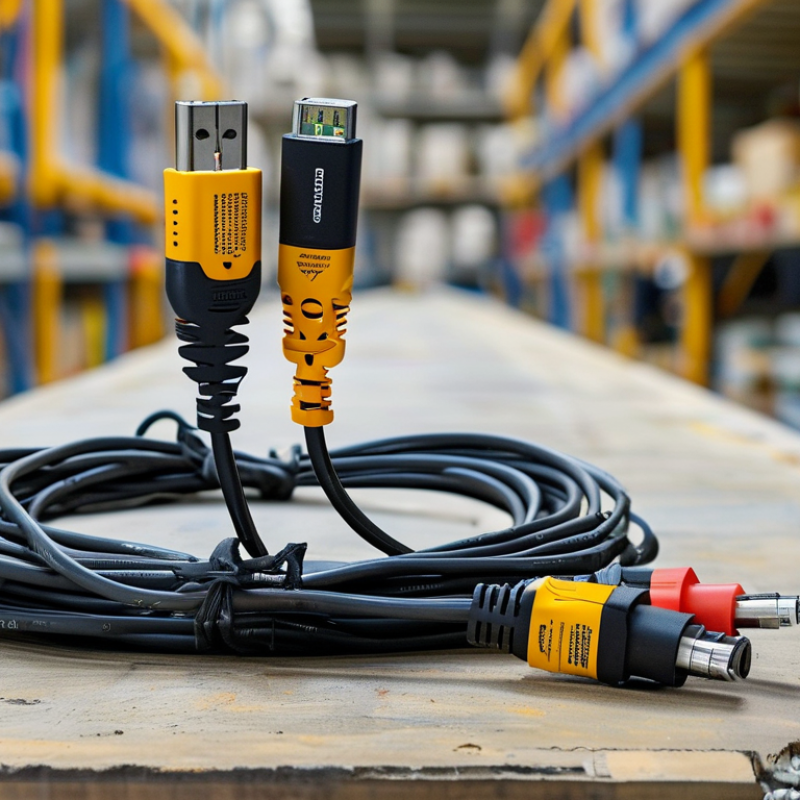
What Global Buyers Should Look for in Extension Lead Suppliers
When global buyers compare the top ten extension lead suppliers, price should not lead the review. Start with the product’s intended environment. A workshop cable needs tougher insulation than a home-office lead. Check conductor size, rated load, plug compatibility, sheath flexibility, and heat resistance. Ask for samples, not only photographs. Bend the lead repeatedly. Inspect the moulded plug, strain relief, and socket grip. Small details matter.
Reliable suppliers provide current test reports, traceable production records, and clear quality procedures.
Verify who issued each report and whether the tested model matches the offered product. Factory audits can reveal uneven crimping, mixed materials, or weak final inspection. Ask how failed units are isolated. Ask how corrective actions are documented. Certifications help, but paperwork alone is not proof. I have seen polished documents hide inconsistent batches. That uncomfortable possibility deserves attention.
Delivery capability also separates a dependable supplier from a convenient one.
Review minimum order quantities, production capacity, seasonal delays, packaging strength, and spare-part support. Require written tolerances for cable length and plug assembly. Confirm communication during a quality incident. A low quotation may become expensive after rework, returns, or missed launches. Buyers should also test a pre-production batch under real handling conditions. No supplier gets every decision right. Leave room to challenge your own assumptions, especially when a sample looks perfect but production pressure has not yet been tested.
How the Top 10 Extension Lead Suppliers Compare by Market and Product Range
Top 10 Extension Lead Suppliers for Global Buyers
How the Top 10 Extension Lead Suppliers Compare by Market and Product Range
The top ten suppliers differ sharply by target market, not just production volume. In procurement reviews, I compare cable length, conductor quality, plug compatibility, heat resistance, and factory consistency. A supplier serving Europe may focus on compact indoor leads, while another targets North American workshops with heavier gauges and grounded outlets.
Product range reveals their real strengths. Several suppliers offer basic household leads, multi-socket strips, cable reels, and outdoor-rated models. Others provide hospital-grade, construction, or customized assemblies. Buyers in Southeast Asia often need flexible lengths and regional plug types. Middle Eastern projects may prioritize heat-resistant jackets. African distributors usually value durable designs, simple packaging, and stable replacement supply.
Small details matter.
A reliable supplier should provide test records, material specifications, and traceable batch information. Communication also matters when drawings change or delivery schedules shift. The strongest suppliers usually support private labeling, low-volume trials, and larger repeat orders. However, product variety can create quality gaps between models. I have seen excellent samples followed by weaker production batches. That risk deserves attention.
Price alone gives a misleading ranking. A low-cost lead may use thinner insulation or offer limited technical support. Buyers should compare landed cost, warranty handling, local certification, and defect rates. The top ten are therefore best viewed by market fit and product depth, rather than one universal order.
Top 10 Extension Lead Suppliers for Global Buyers
Comparison by regional market coverage and product-range breadth. Scores are normalized from publicly visible catalog coverage across common extension-lead categories.
Higher scores indicate broader coverage across markets and product categories, including domestic, industrial, outdoor, reel, and customized cable solutions.
Key Standards, Certifications, and Safety Features to Evaluate
Top 10 Extension Lead Suppliers for Global Buyers?
Key Standards, Certifications, and Safety Features to Evaluate
Global buyers should evaluate extension lead suppliers through documented compliance, not attractive packaging. The core reference is IEC 60884-1, which covers plugs and socket-outlets for household and similar use. Cable construction should also match IEC 60227 or IEC 60245, depending on insulation and flexibility requirements. For North American markets, buyers commonly request certification to UL 817. Regional plug standards, including BS 1363, may also apply.
Look beyond the label. A reliable supplier should provide traceable test reports, factory inspection records, and batch-level quality controls. Request evidence for insulation resistance, conductor heating, mechanical strength, flame resistance, and grounding continuity. Thermal cut-outs and child-resistant shutters can improve safety, but only when properly tested. IP ratings matter in damp environments, although a higher rating does not excuse poor cable design.
The risk is measurable.
An NFPA analysis estimated about 3,300 home structure fires annually involving extension cords in the United States during 2011–2015, causing approximately 50 deaths and 270 injuries. That figure deserves attention. Yet supplier documents can be incomplete, translated poorly, or outdated. Buyers should verify report numbers directly with accredited laboratories and inspect random production samples. I have seen specifications pass on paper but fail under repeated bending. Small details matter: strain relief, plug temperature, conductor size, and clear overload instructions. Mistakes happen. Reliable sourcing includes checking them twice.
Pricing, Customization, Minimum Orders, and Supply Capabilities
Top 10 Extension Lead Suppliers for Global Buyers
For a top-10 supplier shortlist, compare landed cost, not factory price. Basic 10-meter leads often cost less than customized versions. Custom jacket colors, plug types, cable gauges, packaging, and testing can raise prices by 10% to 35%. These figures vary by copper prices and order volume. The International Energy Agency’s Electricity 2024 report forecasts global electricity demand growth of about 4% in 2024. That growth supports steady demand for reliable power accessories. However, demand alone does not prove supplier quality.
Minimum orders deserve closer attention. Many factories request 500 to 5,000 pieces for standard products. Customized molds or printed packaging may require higher quantities. Ask for sample charges, tooling ownership, production capacity, and replacement policies. A supplier claiming 100,000 pieces monthly should provide shipment records or an auditable production schedule. I would not treat the cheapest quotation as a win. Small copper savings can create heating risks, delays, or expensive recalls. The U.S. Consumer Product Safety Commission reports about 3,300 residential fires annually involving extension cords. Safety testing is not optional.
Tips:
Request three samples from different batches. Check conductor size, plug fit, insulation thickness, and label accuracy. Confirm certifications for every destination market. Also ask whether the supplier can maintain the same specification after six months. That question is easy to overlook. It should not be.
How to Select the Right Extension Lead Supplier for Your Business
Top 10 Extension Lead Suppliers for Global Buyers?
Choosing an extension lead supplier requires more than comparing unit prices. Start with load ratings, conductor size, plug compatibility, insulation quality, and certification records. IEC 60884-1 provides a useful benchmark for household plugs and socket-outlets. Ask suppliers for current test reports, factory inspection records, and traceable batch numbers. A polished catalogue is not proof.
Safety deserves serious attention. The National Fire Protection Association reported about 32,000 home fires annually involving electrical distribution and lighting equipment during 2015–2019. These incidents caused approximately 470 deaths and 1,100 injuries each year. That data should change how buyers assess low-cost offers. Check thermal testing, strain relief, child protection, and resistance to bending. Request samples from different production batches, not only one attractive sample.
Supply reliability matters too. The International Energy Agency reported global electricity demand growth of 4.3% in 2024, increasing pressure on electrical supply chains. Select a supplier with documented capacity, stable raw-material sourcing, and realistic lead times. Review defect rates, corrective-action records, packaging strength, and warranty handling. I once focused too heavily on certification logos; that was incomplete. A certificate can expire, exclude a model, or hide inconsistent production. Independent testing and a small pilot order provide stronger evidence. Do not skip factory communication. Small misunderstandings about cable length or plug type become expensive at scale.