Choosing where to buy the best smith machine with cables in China takes more than comparing prices. A low quote may look attractive, but the frame, cable travel, and after-sales support matter just as much. This guide explores how to assess suppliers, compare specifications, and spot details that deserve closer inspection.
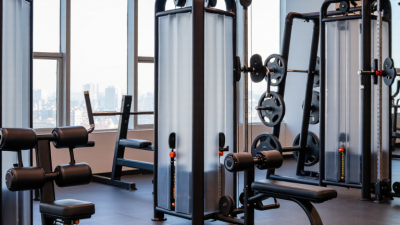
Picture a showroom unit: a steel frame, adjustable pulleys, a smooth bar path, and cables that move without catching. Ask for load ratings, dimensions, weld and finish details, warranty terms, and clear product videos. Request a sample or independent inspection when practical. Small checks help. They do not guarantee a perfect purchase.
For a dependable comparison, verify the supplier’s manufacturing experience and ask whether the displayed model matches the delivered unit. Clarify shipping arrangements, replacement-part availability, and service response times before paying. A polished catalog is not proof of consistent quality. Some details may remain uncertain until you see the equipment in person.
A verified expert quotation would strengthen this introduction, but no source was provided. Rather than inventing a specialist or attributing fictional words, this guide uses practical buying criteria. Compare evidence, not promises.
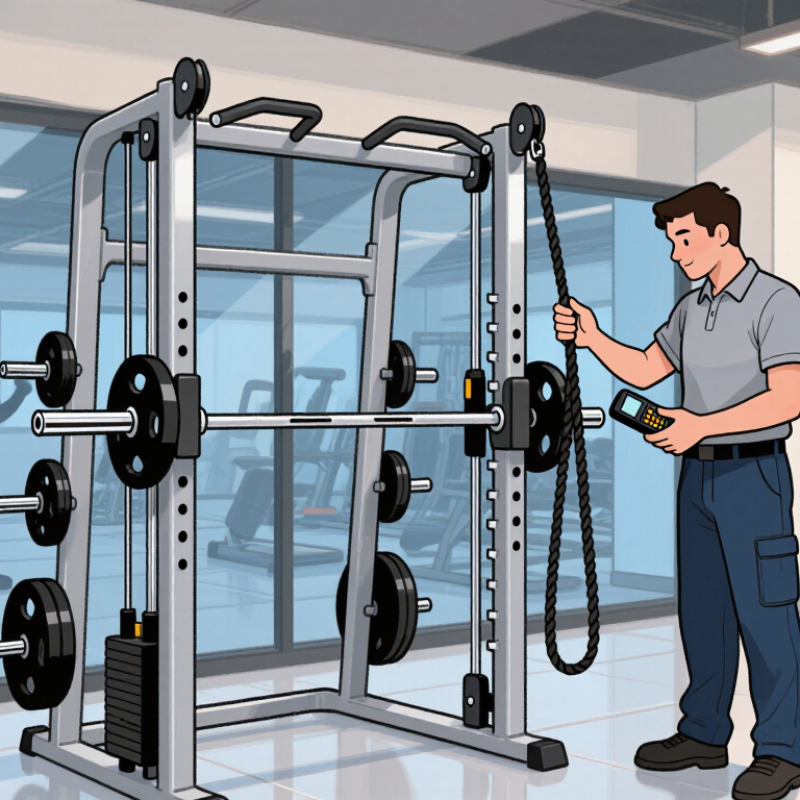
A Smith machine with cables combines a guided barbell station with a pulley system. The frame usually includes vertical rails, a bar, adjustable safety stops, and hooks for securing the bar at different heights. The cables add adjustable pulleys and handles, often with a weight stack or plate-loading pegs. Small details matter.
Check what comes in the crate. A straight bar attachment, ankle strap, and lat pulldown bar may be included, but a bench often costs extra. Cable positions should move smoothly and lock firmly; inspect pulley guards, cable coating, and welds in product photos or during a factory inspection. I would not assume the listed accessories are all included.
The American College of Sports Medicine’s 2025 Worldwide Fitness Trends survey ranked traditional strength training fifth among global fitness trends. That signals sustained interest, not proof that one machine suits every gym. Ask suppliers in China for the rated load on both the Smith bar and each cable, the pulley ratio, frame dimensions, and test documentation. A 2:1 cable ratio, for example, changes the resistance felt at the handle compared with the weight selected. It is easy to overlook. Reconfirm assembly instructions, spare-cable availability, and packaging dimensions before ordering; these practical details can matter as much as the headline specifications.
To find a Chinese manufacturer of a Smith machine with cables, search established B2B sourcing platforms, industrial directories, and fitness-equipment trade fairs. Contact suppliers through their official websites and ask whether they manufacture the frame or source it from another factory. Some sellers are trading companies, not producers. That is not automatically a problem: distributors may help coordinate shipping, communication, and spare parts. Confirm who handles after-sales support before requesting a quotation.
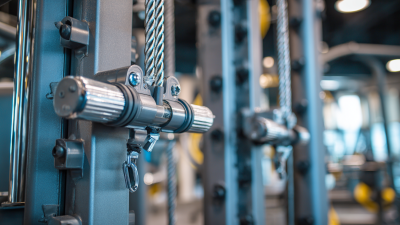
Compare practical specifications, not just the product photos. Ask for the machine’s dimensions, steel-tube measurements, cable travel, pulley details, and rated load. Request close-up images of welds, guide rods, and cable connections, plus a live video tour of the production floor when possible. A clear quotation should identify included accessories, packaging, lead time, and warranty terms. Ask for relevant quality or product-test records, and check that they match the model being quoted. Catalog photos still leave plenty to guess.
Tips: Request a video showing the Smith bar moving through its full range and the cable pulleys running under load. Confirm spare-cable and pulley availability in writing. If comparing distributors, ask whether they can arrange inspection before shipment. A low price can be tempting, but vague specifications make a fair comparison difficult.
| Buying Route | Best Suited For | What to Request | Checks Before Ordering | Main Consideration |
|---|---|---|---|---|
| Direct purchase from a Chinese manufacturer | Buyers seeking factory-direct quotations, customization, or repeat orders. | Current product specification sheet, configuration options, quotation, production lead time, packing details, and warranty terms. | Confirm the factory’s legal business details, production capability, product testing process, and whether the quoted model matches the sample and drawings. | Customization and direct communication can be useful, but buyers should independently verify quality, delivery terms, and after-sales support. |
| Domestic or export distributor | Buyers who value local stock, consolidated orders, or support with product selection and logistics. | Written confirmation of stock status, model configuration, included accessories, spare-parts availability, and delivery arrangements. | Ask whether the distributor is authorized to sell the product and who handles warranty claims and replacement parts. | Availability and support may be convenient; compare the distributor’s full offer with a factory quotation. |
| Business-to-business sourcing platform | Buyers comparing multiple suppliers and requesting quotations remotely. | Supplier profile, product page, commercial invoice details, technical documents, and a written quotation for the exact configuration. | Use platform verification features where available, request a live video inspection or sample, and confirm payment protection and dispute procedures. | Listings are useful for initial comparison but do not, by themselves, prove product performance or factory status. |
| Trade fair or in-person factory visit | Buyers placing larger orders or needing to assess samples, workmanship, and production capability directly. | Sample machine, detailed specification, production and inspection plan, and written commercial terms. | Inspect cable movement, adjustment points, welds, finish, packaging, and the manufacturer’s process for final inspection. | Seeing a sample can help evaluate fit and finish, but the delivered production units still need agreed inspection criteria. |
| Specification | What to Confirm | Why It Matters |
|---|---|---|
| Cable configuration and ratio | Ask whether the pulleys provide a 1:1 or 2:1 cable ratio, and request the effective resistance and cable travel for each station. | A pulley ratio changes the relationship between the selected weight and the force felt at the handle, as well as the available cable travel. |
| Weight stack or plate loading | Confirm the number and stated mass of stack plates, or the sleeve diameter and plate compatibility for a plate-loaded model. | These details determine how resistance is selected and whether the machine suits the intended training use. |
| Smith bar and guide system | Request the bar’s stated starting resistance, guide-rail arrangement, safety-stop positions, and maximum rated load. | Starting resistance and safety-stop adjustment affect usability; rated capacity should be specified for the exact model. |
| Frame and dimensions | Obtain a drawing showing assembled dimensions, usable height, footprint, frame material and tube dimensions, and required ceiling clearance. | Measurements help confirm that the unit will fit the installation space and pass through access points. |
| Cables, pulleys, and moving parts | Ask for cable construction and diameter, pulley material, bearing details, and the recommended inspection or replacement schedule. | These components undergo repeated movement; clear maintenance guidance supports safer, more consistent use. |
| Included accessories and warranty | List every included handle, bench, bar, and attachment, and obtain written warranty coverage for the frame, cables, pulleys, and other parts. | Accessory bundles and warranty exclusions can vary between quotations, even when product photos look similar. |
| Shipping and installation | Confirm package count, packed dimensions and weight, export packaging, delivery terms, unloading requirements, and whether assembly is included. | Freight, customs, unloading, and installation can affect the total landed cost and delivery plan. |
Specifications, prices, stock, and certifications vary by supplier and model. Compare written quotations for the same configuration, and verify the relevant safety and conformity requirements for the destination market before ordering.
When assessing a Smith machine with cables in China, ask for the exact model’s test records, not a generic factory certificate. ISO 20957-1:2013 sets general safety requirements for stationary training equipment; ISO 20957-2:2020 covers strength-training equipment. Request reports showing the tested configuration, rated load, stability, and inspection date. The ACSM 2024 Worldwide Fitness Trends survey gathered responses from more than 2,000 professionals, but trend data cannot verify a machine’s safety. That distinction matters.
Inspect the unit closely. Check welds around the uprights, anchor bolts at the base, pulley alignment, and cable sleeves for fraying or exposed wire. Run the carriage slowly: it should travel without catching, while both cable handles move evenly under load. Ask whether the stated resistance refers to total weight or handle resistance; pulley ratios can make those figures differ. A polished catalog is not proof. I would also ask for batch traceability and replacement-cable availability, then compare the delivered unit with its test report. Small details are easy to miss. A supplier’s confident answer is useful, but written evidence is better.
How to Assess Product Quality and Safety
Use these suggested priorities when comparing suppliers in China. Ask for model-specific load ratings, safety documentation, inspection records, and clear warranty terms; verify claims independently. Scores are a buyer-assessment guide, not test results or ratings of any specific product.
Buying a Smith machine with cables in China is easier when you compare the complete delivered setup, not just the listed price. Ask for a written quote covering the frame, cable handles, weight storage, and installation tools. Check steel dimensions, pulley travel, and rated load; these details affect everyday training more than polished photos. A low price may exclude useful attachments or sturdy packaging. Small fees are easy to miss.
Customization can affect both cost and lead time. Confirm options such as frame color, cable ratios, hole spacing, and local voltage needs for any powered accessories. Request a drawing or specification sheet before approving changes. For shipping, compare door-to-door quotes, crate dimensions, delivery time, and who handles unloading. Ask how damage is documented and what spare parts are available. Estimates can change; keep the details in writing.
Tips: Compare quotes with the same accessory list and shipping terms. Ask for recent production photos and a packing list. Measure your doorway and floor space before ordering. If a specification is unclear, pause and ask again.
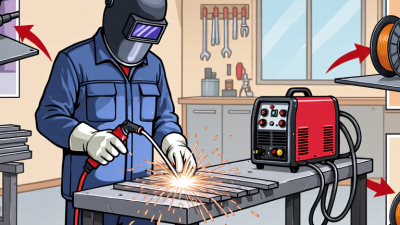
When comparing suppliers of Smith machines with cables in China, verify the factory behind the quotation. Ask for a live video walkthrough showing the production floor, welding stations, and finished equipment—not only a polished showroom. Request a current business registration and confirm that the listed company matches the seller’s invoice details. Paperwork matters.
Check the machine’s specifications in writing: frame dimensions, steel thickness, cable diameter, pulley material, rated load, and included accessories. Ask for close-up photos of welds, guide rods, cable ends, and adjustment points. A sample inspection or independent pre-shipment inspection can reveal issues that product photos miss. It is easy to overvalue a low price; unclear load ratings are a reason to pause.
Ask how defects are handled, what parts are covered, and whether replacement cables can be supplied. Confirm production time, packaging, shipping terms, and payment milestones before paying a deposit. Keep approved drawings and messages with the order. Small details count. If answers change between the quotation and the final contract, resolve the difference before production begins.