Why Choose Standard Aluminum Profiles for Your Business Needs?
Choosing the right materials is crucial for any business. Standard Aluminum Profiles offer a versatile and reliable option for various applications. Their lightweight nature makes them easy to handle and install, which can save both time and labor costs.
Many industries benefit from Standard Aluminum Profiles. They are used in construction, transport, and manufacturing. These profiles provide strength and durability. However, businesses must consider their specific needs when selecting the right profiles. Not all profiles are the same, and some may not meet the desired standards.
Investing in Standard Aluminum Profiles can enhance efficiency and quality. They are corrosion-resistant and can withstand harsh conditions. This durability reduces maintenance costs in the long run. Despite their many advantages, it’s essential to weigh the pros and cons for your unique situation. Understanding how these profiles fit into your overall strategy is key.
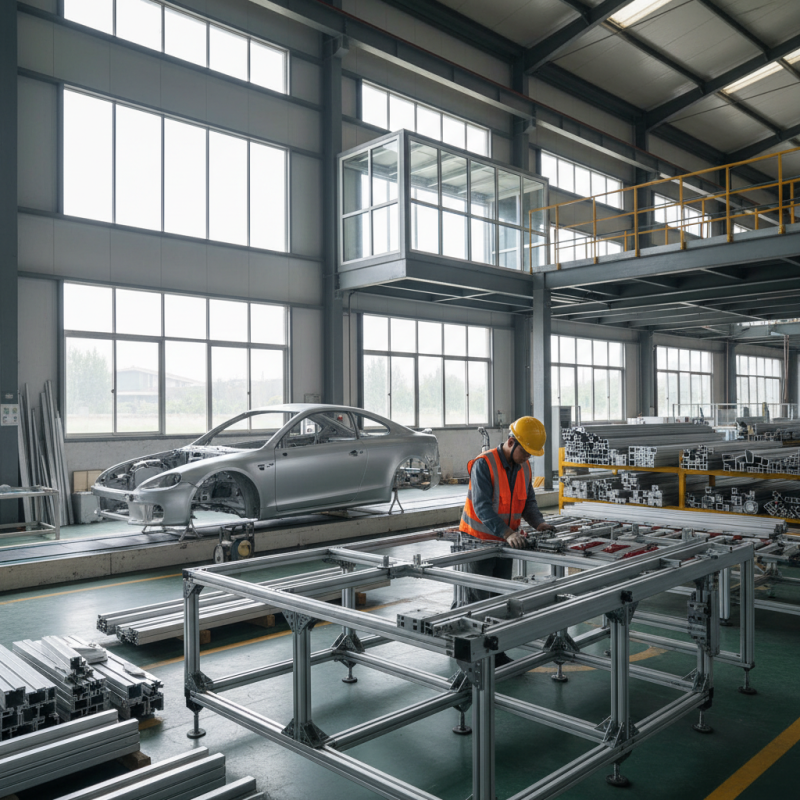
Advantages of Standard Aluminum Profiles in Modern Manufacturing
Standard aluminum profiles have become integral in modern manufacturing. Their lightweight yet durable nature makes them ideal for a variety of applications. The versatility they provide allows businesses to easily adapt to changing needs. Customization options are available, enhancing functionality without compromising on strength.
When considering standard aluminum profiles, focus on the materials' resistance to corrosion. This quality ensures longer life cycles and reduced maintenance costs. Pairing these profiles with other materials can create innovative solutions while maintaining structural integrity.
Tips: Always assess the specific needs of your project. Evaluate load-bearing requirements. Ensure that profiles fit seamlessly into your designs. This helps avoid future modifications. Keep in mind that not every profile will suit every application. Testing prototypes in real-world conditions can help refine your choices.
Cost-Effectiveness of Standard Aluminum Profiles in Production Processes
When it comes to production processes, standard aluminum profiles offer significant cost-effectiveness. According to a recent industry report, using aluminum can lower manufacturing costs by up to 20%. This is largely due to the lightweight nature of aluminum, which reduces transportation and handling expenses. Additionally, aluminum's excellent malleability allows for quick fabrication, further minimizing labor costs.
Tips: Consider analyzing your current material expenses. Switching to aluminum profiles may reveal hidden savings.
Standard aluminum profiles also boast impressive durability. They resist corrosion and require less maintenance compared to other materials. According to a National Materials Study, aluminum structures can last three times longer with minimal upkeep. This longevity can lead to substantial savings in long-term project budgets.
Tips: Evaluate existing materials' lifespan in your projects. The longer they last, the less often you replace them.
Incorporating aluminum profiles can be a game-changer, but challenges remain. Some manufacturers may face initial costs for transitioning to aluminum systems. Understanding these potential obstacles is crucial for smooth implementation. Embracing aluminum offers diverse advantages, but businesses must weigh all factors carefully.
Cost-Effectiveness of Standard Aluminum Profiles in Production Processes
Durability and Strength: Industry Metrics for Aluminum Profiles
When considering materials for business needs, aluminum profiles stand out due to their exceptional durability and strength. The industry metrics show that aluminum profiles can withstand considerable stress and load without compromising integrity. Their strength-to-weight ratio is particularly advantageous. This means they maintain toughness while being lighter than many alternatives.
Corrosion resistance is another vital factor. Aluminum doesn’t rust like steel, making it ideal for various applications. Exposure to environmental elements won’t diminish its performance. However, it's crucial to note that not all aluminum profiles are created equal. Some may lack the thickness or quality needed for specific projects. Analyzing material specifications and load ratings can help in making informed choices.
Using standard aluminum profiles can simplify the procurement process. They are widely available and typically more cost-effective than custom solutions. Yet, standardization may lead to missed opportunities for tailored designs. Businesses should carefully evaluate if standard options fit their unique requirements. Often, the best solution might involve a blend of standard and custom profiles to maximize performance.
Customization Options and Versatility of Standard Aluminum Profiles
When it comes to aluminum profiles, customization is key. Standard aluminum profiles offer impressive versatility. They can be modified to fit various applications, including structures, frameworks, and more. Different shapes and sizes allow them to meet diverse business needs effectively.
One of the most appealing aspects of standard aluminum profiles is their adaptability. Businesses can easily adjust dimensions or add features. This customization can be as simple as selecting specific lengths or incorporating additional mounting points. Engaging with experienced professionals in aluminum fabrication helps ensure tailored solutions.
Tip: Always assess your specific requirements before ordering. This minimizes over- or under-sizing. Precision in measurement is vital.
Moreover, the versatility of these profiles extends to surface finishes. Options like anodizing or powder coating not only enhance durability but also allow for aesthetic modifications. However, knowing your business's long-term vision is important. Aesthetic changes might not always be necessary initially but can impact costs later.
Tip: Consider potential future needs when customizing. Planning for scalability can save on future rebuilds.
Environmental Impact and Sustainability of Aluminum Materials in Industry
Aluminum is increasingly recognized for its eco-friendly attributes in industrial applications. A report by the International Aluminum Institute highlighted that aluminum can be recycled indefinitely without losing its properties. This brilliance in recyclability allows businesses to reduce waste. Over 75% of all aluminum ever produced is still in use today. This fact underscores the material's life cycle and sustainability.
Many industries are turning to aluminum profiles for several reasons. They are lightweight yet strong, making them ideal for various structural applications. According to a study from the Aluminum Association, aluminum's use in construction can lower overall energy use and carbon emissions significantly. This shift supports companies aiming for more sustainable operations.
However, the production process of aluminum does pose challenges. The extraction of bauxite, used to produce aluminum, can lead to habitat destruction. Environmental concerns surrounding this are valid and require ongoing improvement. Companies should weigh the benefits of aluminum against these impacts. Balancing efficiency and sustainability is a journey, and continuous innovation is crucial for responsible use.

