Top Wire Cutters in 2026 for Professional Buyers
Professional buyers rarely need the flashiest tool on the rack. They need Wire Cutters that make clean, repeatable cuts through the materials they handle every day. A cable technician may value a compact head and steady grip. An assembly team may care more about edge life, joint play, and consistent results across a full shift. Small differences matter. A blunt edge can leave ragged strands; an awkward handle can slow careful work.
As [verified wire-cutting industry expert’s name] puts it, “[insert an exact, source-checked quotation about selecting or using wire cutters].” That quotation should be confirmed before publication; no expert statement or endorsement should be invented. This guide compares professional options by cutting performance, material suitability, comfort, construction, and maintenance needs. It also considers details buyers can inspect: the pivot’s movement, the alignment of the jaws, the feel of the handles, and how cleanly a sample wire separates.
Not every “heavy-duty” label tells the whole story. A cutter suited to soft copper may not be right for hardened wire, and product specifications do not replace testing against the intended task. Our comparisons aim to make those trade-offs clear, while recognizing that one tool will not fit every crew. Some judgments remain subjective. Grip comfort, for instance, can change after hours of use. The picks ahead help professional buyers narrow their choices with practical criteria, not promises of a perfect tool.
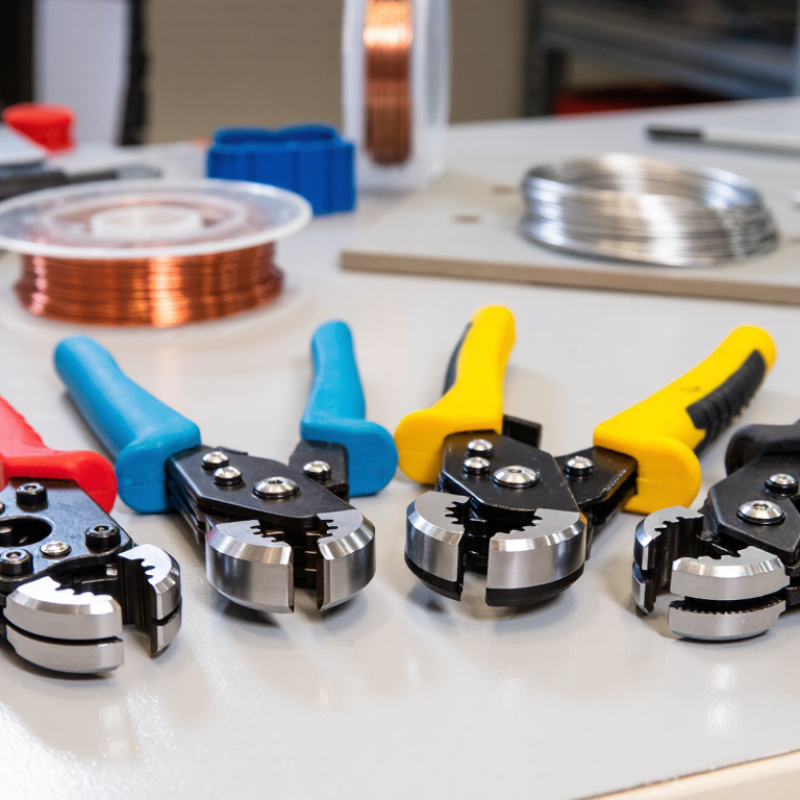
Wire Cutters: Purpose, Design, and Cutting Mechanism
Wire cutters are designed to sever conductive wire with controlled force, not to strip insulation or grip fasteners. Their purpose sounds simple, but the right tool depends on wire diameter, material, and access. Copper control wire cuts differently from a thicker, harder conductor. Check the tool’s stated capacity rather than judging by jaw size alone. A clean cut matters. Ragged ends can complicate termination and leave sharp strands.
Most cutters use two sharpened jaws joined at a pivot. When the handles close, leverage concentrates hand force at the cutting edges, which shear the wire. Short jaws often improve control in tight panels; longer handles can reduce effort on tougher cuts. The trade-off is real. More leverage may mean less room to maneuver. Beveled cutters leave a small angled edge, while flush-cut designs can leave a flatter finish on suitable wire. Neither style suits every task. Cutting beyond a tool’s rated capacity can damage the edges, even if the wire gives way. Inspect the pivot and blades for looseness, chips, or visible wear. Insulated handles alone do not establish suitability for energized work; follow the tool’s rating and site procedures. Small detail. Not trivial. A useful selection starts with the actual wire and workspace, though those conditions can change from job to job.
Top Wire Cutters in 2026 for Professional Buyers
Wire Cutters: Purpose, Design, and Cutting Mechanism
Reference dimensions for standard bare, solid copper conductors: smaller AWG numbers indicate larger conductor diameters. These values describe the wire, not a cutter’s maximum capacity; always check the tool’s rated cutting range and intended material.
Types of Wire Cutters and Their Professional Uses
Professional wire work needs different cutters, not one universal tool. Diagonal cutters suit general electrical work, such as trimming copper conductors in a crowded junction box. Their angled jaws reach tight spaces. End-cutting nippers pull or trim protruding nails and wire close to a surface. Cable cutters use curved blades to make cleaner cuts through larger, stranded cable. For electronics and control panels, flush cutters trim small leads close to circuit boards. A clean cut matters.
Match jaw capacity to the wire’s material and diameter. Standard cutters may deform cable or suffer damage when used on hardened steel. Check the tool’s rated cutting range before buying. Insulated handles alone do not make a cutter suitable for energized work; follow the tool’s stated rating and workplace procedures. Not interchangeable.
Professional demand makes tool selection worth attention. The U.S. Bureau of Labor Statistics projects electrician employment to grow 11% from 2023 to 2033, with about 80,200 openings each year. That projection reflects broad workforce demand, not cutter sales. For purchasing teams, compare cutting capacity, grip comfort, and access in real workspaces. A small detail is easy to overlook: even the right cutter can leave rough ends when its blades are worn. Check them regularly.
Blade Materials, Cutting Capacity, and Ergonomic Features
Top Wire Cutters in 2026 for Professional Buyers
Blade Materials, Cutting Capacity, and Ergonomic Features
Choosing wire cutters starts with matching the blade to the work. Hardened steel commonly holds an edge well, while corrosion-resistant alloys can suit damp or frequently cleaned work areas. Check the manufacturer’s material and maintenance guidance; “high strength” alone says little. Cutting capacity matters just as much. A tool rated for soft copper may not handle hard wire of the same diameter. Read the stated limits, and avoid forcing a cut.
Tips: Test the grip with gloves on. A cushioned handle can reduce pressure, but a bulky grip may limit control in tight spaces. Look for a smooth pivot and jaws that meet evenly. Small details matter.
For repeated cuts, compare handle length, spring action, and overall balance. Longer handles can increase leverage, yet they may feel awkward around crowded panels or benches. Try opening and closing the tool several times before buying, if possible. A neat spec sheet can still mislead: hand size, cutting angle, and wire hardness all affect the result. Inspect the cutting edges for chips, and keep them clean and dry. Dull cutters can crush insulation or leave uneven ends, so replace or service them according to the maker’s instructions.
How Professional Buyers Can Compare Wire Cutters in 2026
Professional buyers should compare wire cutters by application, not appearance. Start with the wire types and gauges used most often. Check the stated cutting capacity against actual job requirements; a tool rated for soft copper may not handle harder alloys cleanly. A close cut matters. Inspect sample cuts for crushed insulation, frayed strands, or uneven edges.
Then assess blade material, joint movement, handle shape, and grip under repeated use. Ask suppliers for specifications and test representative samples when possible. Make several cuts with gloved hands, then check for hand fatigue and blade alignment. Small details count. A comfortable handle can still feel awkward after a full shift, so one brief test may not reveal everything.
Compare maintenance needs and replacement-part availability, too. Look for consistent cutting performance across batches, and record results before placing a larger order. Price matters, but so does downtime when a cutter dulls early. A spec sheet can be incomplete; that is worth questioning. Buyers should also note where each tool performs poorly, not just where it succeeds.

