Top Trends in Digital Solar Bus Stops at 2026 Canton Fair?
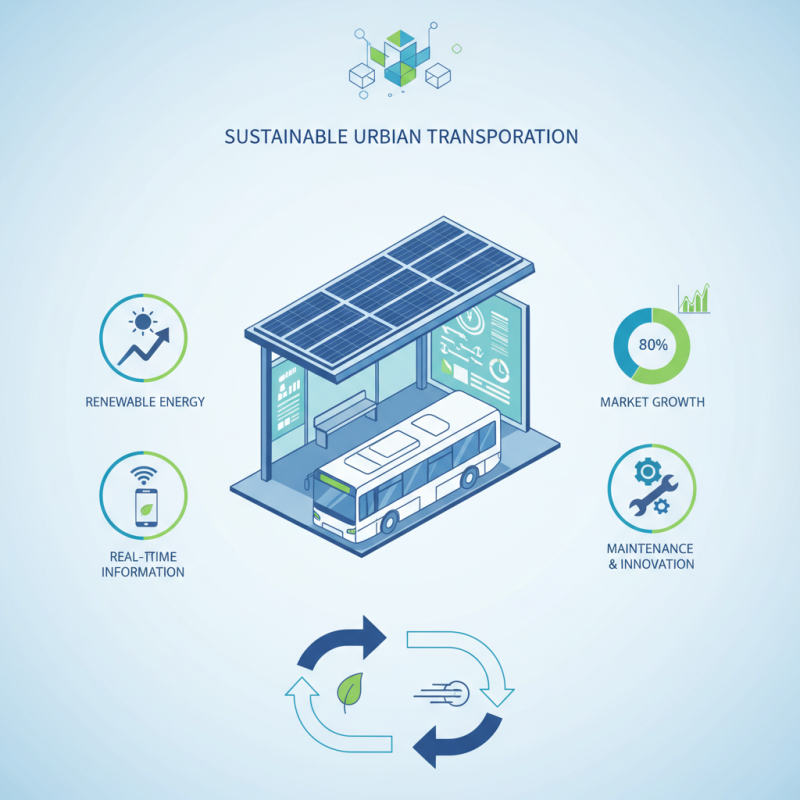
The integration of Digital solar bus stops represents a significant trend in urban transportation systems. As cities move towards sustainable and smart solutions, these stops offer essential features. According to a recent report by Research and Markets, the global smart bus shelter market is projected to grow by 15% annually by 2027. This growth is driven by advancements in renewable energy technologies and digital communications.
Digital solar bus stops not only harness solar power but also provide real-time information. This feature enhances passenger experience and aids in urban mobility planning. However, the implementation of such innovations raises questions. Are cities fully ready for this transition? What about the maintenance of these complex systems?
At the 2026 Canton Fair, digital solar bus stops will be a focal point. The fair will showcase the latest trends in technology and sustainability. Buyers will explore products that align with their needs, leveraging AI for efficient sourcing. As the demand for eco-friendly solutions rises, digital solar bus stops could revolutionize public transport, boosting efficiency and sustainability.
Emergence of Smart Technology in Solar Bus Stop Design
The emergence of smart technology in the design of solar bus stops is reshaping urban spaces. As cities strive for sustainability, smart solar bus stops offer innovative solutions. Reports indicate that the global market for intelligent transport systems is expected to reach $50 billion by 2026. This growth reflects the increasing shift towards incorporating technology in public transport.
Solar bus stops typically include features like real-time passenger information displays, Wi-Fi, and mobile charging stations. The integration of solar panels contributes to energy efficiency, reducing the city's carbon footprint. However, the implementation is not without challenges. Maintenance can be complicated, and solar technology might not perform well in all weather conditions. Some studies show that urban areas with limited sunlight may struggle with reliability.
While smart technology enhances the user experience, data privacy concerns linger. Passengers may worry about how their information is used. Additionally, not all regions can afford such high-tech solutions. There is a risk that inequality might widen between affluent and less-developed areas. Successful integration of technology in solar bus stops requires a balance between innovation and accessibility.
Integration of Renewable Energy Solutions in Urban Transport
The integration of renewable energy in urban transport is becoming increasingly vital. Digital solar bus stops are an excellent example of this trend. These bus stops harness solar power, reducing dependence on conventional energy sources. With built-in solar panels, they generate electricity to power digital displays and charging stations.
Cities are adopting these sustainable solutions. They not only save energy but also promote a greener lifestyle. However, many urban centers face challenges in this transition. Limited space for solar panels and funding issues can hinder progress. Local authorities must work with private sectors to overcome these obstacles.
Tips for implementing solar bus stops include assessing site suitability before installation. Analyze potential sunlight exposure to maximize energy generation. Engaging the community can help raise awareness about renewable energy benefits. Involving residents in decision-making can lead to a better acceptance of these initiatives.
User Experience Enhancements Through Digital Interfaces
Digital solar bus stops are evolving rapidly, especially by 2026. They focus on enhancing user experience through innovative digital interfaces. These interfaces can provide real-time updates. They show arrival times, weather information, and route maps. Bus stop benches may feature interactive screens. Users can access essential services directly.
However, these advancements raise questions. Will everyone benefit equally from these digital upgrades? Some individuals might find technology intimidating. Not everyone is tech-savvy. There is a need for inclusive designs. Clear signage and alternative options must be available. This ensures all users have access.
Moreover, maintenance is vital. Digital interfaces can break down or malfunction. Regular checks and updates are necessary. Otherwise, users may become frustrated. A balance must be struck between innovation and reliability. Feedback mechanisms are also crucial. Users need a voice to express their experiences and concerns. These considerations can guide future improvements.
Sustainability and Environmental Impact of Solar Bus Stops
The integration of solar technology into bus stops is changing urban landscapes. These solar bus stops harness sunlight to power various amenities. They offer real-time transit information, USB charging ports, and efficient lighting. This shift promotes sustainability while reducing carbon footprints.
However, there are challenges to consider. The initial installation costs can be high. Maintenance of the solar panels and batteries requires planning and resources. Not all locations receive adequate sunlight, affecting energy production. It's crucial to identify areas that maximize efficiency.
Tips for implementing solar bus stops include conducting thorough site assessments. Choose locations with full sun exposure for most of the day. Engage local communities early to gather support. Regular maintenance checks can prolong the lifespan of solar equipment. By being mindful of environmental impacts, cities can implement effective solutions.
Future Innovations to Expect in Solar Bus Stop Features
As the 2026 Canton Fair approaches, solar bus stops promise to showcase groundbreaking advancements. These stops will become more than mere waiting areas. They will integrate smart technologies to enhance user experience. Expect features like real-time arrival predictions and interactive digital displays. Users can see bus schedules at a glance.
Solar bus stops will use renewable energy to power their systems. This is a step toward sustainable urban infrastructure. City planners are excited about energy efficiency, but challenges remain. Some designs may struggle with adverse weather conditions. Durability is crucial when considering solar panel effectiveness.
Additionally, the integration of mobile connectivity is on the horizon. Passengers may access free Wi-Fi. This could make waiting times productive. However, there might be concerns over data privacy. It’s essential to address these issues as we embrace new technologies. Overall, the future of solar bus stops looks promising, but reflection on potential setbacks is necessary.
Top Trends in Digital Solar Bus Stops at 2026 Canton Fair
| Feature | Description | Expected Benefits | Implementation Year |
| Interactive Information Display | Real-time updates on bus schedules and routes | Improved passenger experience and reduced waiting times | 2025 |
| Solar-Powered Charging Stations | Charging points for electric buses and mobile devices | Support for green energy solutions and convenience for users | 2026 |
| Augmented Reality Features | AR applications for enhanced navigation and information | Engagement and support in finding routes | 2026 |
| Smart Weather Protection | Automated shelter adjustments based on weather conditions | Enhanced comfort for passengers during various weather | 2025 |
| Digital Advertising Screens | LED screens for advertising and community announcements | Revenue generation and local information sharing | 2026 |

