Top Silicone Products from China for Global Buyers?
In today's global marketplace, Silicone Products from China have gained significant attention. These innovative items cater to diverse needs across various industries. Buyers worldwide are increasingly drawn to the quality and versatility of silicone materials.
China stands at the forefront of silicone manufacturing, producing a wide range of products, from kitchenware to industrial components. The demand for these products is growing, thanks to their durability and safety features. However, navigating this vast market can be challenging. Buyers must identify reliable suppliers and ensure quality standards are met, creating a need for due diligence.
As we explore the top silicone products available, it's vital to recognize both the strengths and potential drawbacks. While options are abundant, not every manufacturer upholds the same level of quality. Research and experience play crucial roles in sourcing the right products to suit specific applications.
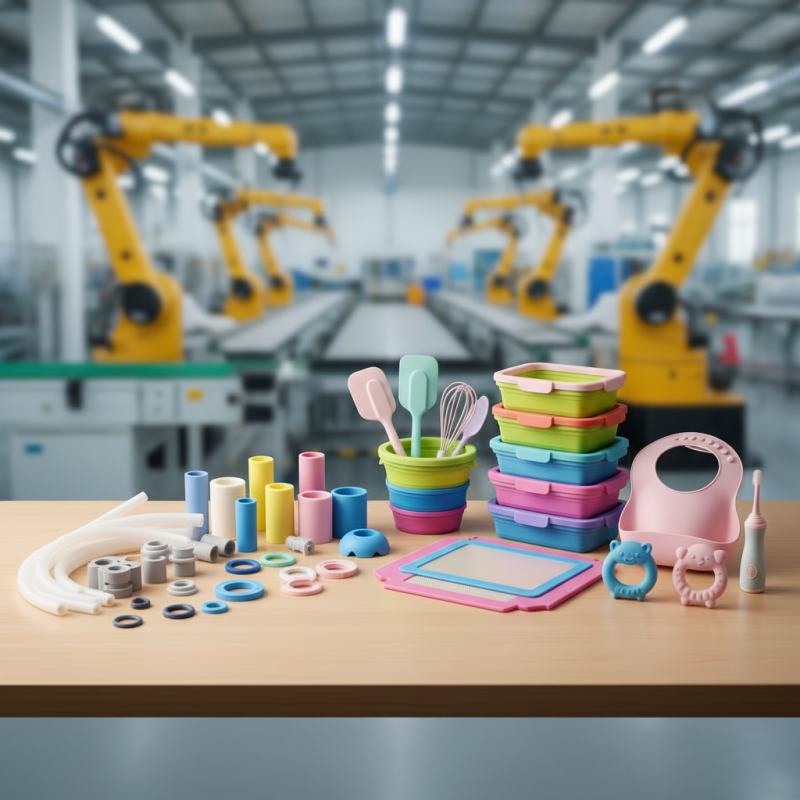
Overview of Silicone Products Manufactured in China
China has established itself as a leading manufacturer of silicone products, with a significant portion of global production originating from the region. According to industry reports, the global silicone market was valued at approximately $18 billion in 2021 and is projected to grow annually by 5% through 2027. This growth is largely driven by China's advanced production technologies and strategic investments in research and development.
Silicone products manufactured in China cover a wide range of applications, from automotive components to kitchen utensils. Notably, the medical sector relies on silicone for its biocompatibility. Reports indicate that the healthcare segment alone is expected to exceed $5 billion by 2025, reflecting the rising demand for flexible and durable materials.
While China's silicone industry is robust, there are concerns about quality control and environmental regulations, leading some buyers to question sourcing practices. These issues highlight the need for buyers to thoroughly vet manufacturers and maintain strict quality assurance protocols.
Moreover, China's silicone market faces international competition, which can lead to price fluctuations. Understanding these dynamics becomes crucial for global buyers. The complexity of sourcing from China requires vigilance. Building relationships with suppliers can mitigate risks associated with product quality and consistency. In a rapidly evolving marketplace, staying informed is essential for making sound purchasing decisions.
Key Features and Advantages of Chinese Silicone Products
Chinese silicone products have gained popularity among global buyers for various reasons. These products are known for their versatility and durability. They can withstand extreme temperatures, making them ideal for kitchenware and industrial applications. The materials used are often non-toxic and environmentally friendly. They are easy to clean and maintain, adding to their appeal.
One notable advantage of Chinese silicone products is their cost-effectiveness. Manufacturers in China benefit from inexpensive raw materials and efficient production processes. This lowers the overall price for consumers while maintaining quality. However, it’s essential to conduct thorough research. Not all manufacturers uphold the same production standards. Buyers should verify certifications and quality control measures. This ensures they receive reliable products that meet their needs.
Moreover, the design flexibility of silicone products is impressive. They can be molded into various shapes and sizes, catering to diverse market demands. This adaptability allows for creative solutions in both consumer and industrial sectors. Nevertheless, it’s important to balance design with functionality. Products that sacrifice performance for aesthetics might not satisfy buyers long-term. Prioritizing both aspects can lead to better product offerings in the market.
Popular Categories of Silicone Products for Global Markets
Silicone products have seen rising demand globally, driven by their versatility and durability. A report by Grand View Research indicates that the silicone market is projected to reach USD 26.2 billion by 2025. Among the popular categories, silicone kitchenware stands out. Items like baking mats, spatulas, and mold trays are now essentials in modern kitchens. Their heat resistance and easy cleanup make them favored by many home chefs.
Another category is silicone medical devices. According to market analysts, this sector is expected to grow significantly, fueled by the increasing need for biocompatible materials. Products such as silicone tubes and seals are used in a variety of health applications. They are valued for their non-reactivity and flexibility, making them ideal for delicate uses.
Tips: When sourcing silicone products, consider material certifications. Ensure products meet safety standards for specific uses. Test samples when possible. Also, be aware of trends. Consumer preferences shift, impacting product demand. Understanding market needs helps avoid stock issues. Recognize that quality may vary widely among suppliers. Conduct thorough supplier evaluations to establish reliable partnerships.
Major Chinese Manufacturers and Their Product Lines
Chinese manufacturers are at the forefront of silicone product innovation. Major companies in this sector produce various goods for diverse applications. This includes silicone kitchenware, medical devices, and automotive parts. Data from industry reports indicate that the silicone market is projected to grow at a CAGR of 4.6% over the next five years. This trend highlights the increasing demand for silicone products globally.
Several major Chinese manufacturers specialize in silicone. They offer extensive product lines tailored to both consumer and industrial markets. For instance, their kitchenware often emphasizes heat resistance and non-stick properties. In the medical arena, silicone's biocompatibility makes it ideal for implants and tubing. Automotive parts benefit from silicone's durability and resistance to extreme temperatures. However, not all products meet the same quality standards; buyers should conduct thorough evaluations.
Tips: When sourcing silicone products, always request product certifications. Check third-party testing results for quality assurance. Understand that not every supplier will deliver consistently. It’s essential to build relationships and communicate openly about your specific needs. This will help mitigate potential issues. Regular audits with manufacturers also lead to better outcomes.
Export Trends and Market Opportunities for Silicone Products
The global demand for silicone products has surged in recent years. Buyers from various sectors seek high-quality silicone items for their durability and versatility. In different markets, silicone is used in cooking, automotive, and medical applications. The material's resistance to extreme temperatures and flexibility makes it a preferred choice.
Export trends indicate that China is a leading source of silicone products. Buyers can find a wide range of items, from kitchenware to industrial components. However, challenges exist. Quality control may vary between suppliers, and navigating regulations can be complex. It’s crucial for global buyers to conduct thorough research and establish reliable partnerships.
Opportunities abound in emerging markets. As more industries adopt silicone materials, the potential for growth is significant. However, understanding local regulations and consumer preferences remains essential. This complex landscape requires careful consideration and strategic planning from buyers looking to enter the market successfully.

