Top 5 Laser Cutting Machine Features You Need to Know?
In the rapidly evolving world of manufacturing, understanding the features of a laser cutting machine is crucial. Dr. Emily Carter, a renowned expert in industrial laser technology, once stated, "Choosing the right features can dramatically enhance production efficiency". This insight emphasizes the importance of knowing what to look for.
laser cutting machines offer precision and flexibility in various applications. However, not all machines are created equal. Key features can significantly affect performance. For example, the type of laser, power options, and software capabilities are essential. Each feature plays a role in determining the effectiveness of the process.
While these machines bring many advantages, it’s important to consider potential drawbacks. Not every feature may be necessary for every operation. Some businesses may pay for capabilities they don't use. Understanding the right features can help avoid these mistakes and lead to better investment decisions.
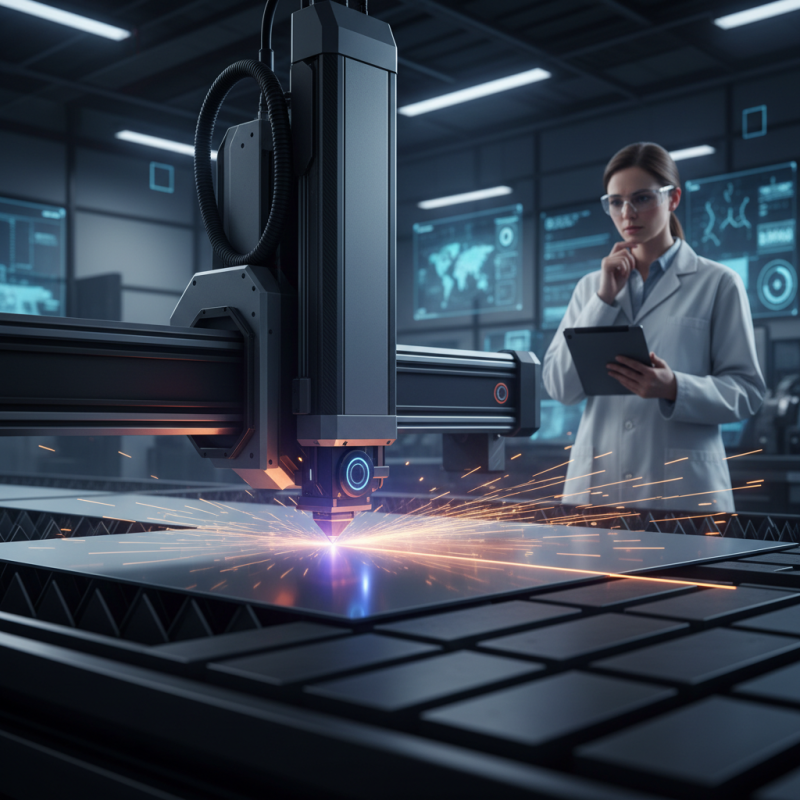
Key Laser Cutting Technologies: CO2 vs. Fiber Lasers Explained
When choosing a laser cutting machine, understanding the technologies behind them is crucial. The two most common types are CO2 and fiber lasers. CO2 lasers dominate the market, accounting for about 60% of laser cutting applications. They generate a beam using gas, making them ideal for cutting non-metal materials like wood and acrylic. Their versatility is impressive, but they can be slower than their fiber counterparts.
On the other hand, fiber lasers have gained rapid popularity, especially in metal applications. These lasers utilize solid-state technology, leading to higher efficiency and faster cutting speeds. Reports suggest that fiber lasers can cut through thicker metals at reduced operating costs. In fact, some studies show that fiber laser machines can increase productivity by up to 25%.
Tip: Consider the material you will cut the most. If your focus is on metals, fiber lasers are often the better choice.
However, these technologies come with nuances. CO2 lasers may require more maintenance over time. Fiber lasers, while efficient, can struggle with reflective materials like aluminum. This insight can save you time and potential headaches during your cutting projects.
Tip: Always run tests before committing to a machine. Understanding how your chosen laser interacts with specific materials can lead to clearer results.
Power Versatility: How Wattage Affects Cutting Speed and Quality
When considering laser cutting machines, wattage plays a critical role. The power level determines both cutting speed and quality. Generally, higher wattage results in faster cutting speeds. According to industry reports, machines with 100 to 150 watts can cut through thicker materials more efficiently than low-wattage alternatives.
However, higher wattage doesn’t always mean better quality. An excessive power level may lead to burning or excessive heat, degrading the cut edges. A study revealed that optimal performance often lies between 60% to 80% of a machine's maximum wattage. This range allows for cleaner cuts while maintaining speed.
Users sometimes overlook the balance between wattage and material type. For instance, cutting thin acrylic requires different settings than thick metals. Misjudging the power can lead to wasted materials and inconsistent results. Always consider wattage alongside specific material properties for best outcomes. Remember, practical knowledge is essential.
Material Compatibility: Understanding the Range from Metals to Plastics
Laser cutting machines offer impressive versatility, especially concerning material compatibility. They can efficiently cut a wide range of materials, from metals to various plastics. In industrial settings, about 70% of businesses use laser cutting for metal fabrication. This trend highlights the technology's effectiveness in metals like steel, aluminum, and titanium. Each metal has unique properties, which affect cutting speed and quality.
Beyond metals, lasers also excel with plastics. Acrylonitrile Butadiene Styrene (ABS) and Polycarbonate (PC) are common choices. In fact, data shows that the use of laser cutting for plastics has increased by 40% in the last five years. However, it’s essential to recognize potential issues. Different plastics may emit harmful fumes or particles when cut, indicating the need for proper ventilation. It’s a reminder that safety measures cannot be overlooked.
Moreover, different material thicknesses impact cutting parameters. Thin sheets may cut quickly, while thicker materials need slower speeds and more power. Some operators may overlook this, leading to subpar cuts or equipment damage. Understanding these details is crucial for optimizing overall efficiency in any laser cutting operation.
Precision and Accuracy: Industry Standards for Tolerance Levels in Cutting
Precision and accuracy are crucial in laser cutting. Industry standards dictate specific tolerance levels. Typically, a tolerance of ±0.1mm is expected in most applications. However, some high-end projects require a tolerance of ±0.05mm. Achieving these standards can be challenging. The complexity of the material and design impacts precision.
According to a recent industry report, 68% of manufacturers prioritize cutting accuracy. Inconsistent laser power can lead to variations in cut quality. Material thickness and type also play a role. A thicker material often results in increased heat. This can cause warping or discoloration, affecting overall precision. Regular equipment maintenance is vital to maintain accuracy.
Moreover, operator skill cannot be overlooked. Proper training ensures that technicians can maximize machine potential. A survey showed that 45% of errors are due to operator mistakes. This highlights the need for both technology and quality control. With the right practices, businesses can significantly improve their laser cutting outcomes.
Safety Features: Essential Protections for Operators Using Laser Machines
Safety is paramount when operating laser cutting machines. These tools carry inherent risks due to the powerful lasers they wield. A key safety feature is the presence of emergency stop buttons. Operators must access these buttons with ease. In an emergency, every second counts. If a mistake happens, quick action can prevent severe injuries.
Another crucial protection is the use of enclosed cutting areas. A sealed chamber keeps stray beams from escaping. It also limits access to the cutting zone. This compartmentalization protects operators from direct exposure. Operators should still wear appropriate safety gear. Safety glasses designed to filter laser light are a necessity.
Ventilation systems often feature prominently in laser machines. They help remove harmful fumes generated during cutting. Yet, proper maintenance of these systems is often overlooked. Without effective ventilation, operators can face serious health risks. Regular checks are required, along with prompt repairs. Overlooking this can lead to long-term health issues. While technology provides many safeguards, human vigilance remains essential.
Top 5 Laser Cutting Machine Features You Need to Know
| Feature | Description | Importance |
| Safety Interlocks | Prevents machine operation unless safety doors are securely closed. | Critical for operator protection. |
| Laser Enclosure | Contains the laser beam and protects against accidental exposure. | Essential for maintaining a safe work environment. |
| Emergency Stop Function | Allows operators to immediately shut down the machine in case of an emergency. | Vital for instant response to hazards. |
| Fume Extraction System | Removes harmful fumes and particles generated during laser cutting. | Important for operator health and compliance with regulations. |
| Overheat Protection | Automatically shuts down the machine if overheating is detected. | Crucial for preventing fires and equipment damage. |

