What Are the Top Types of Emt Waterproof Connectors in 2026? The right connector depends on where the conduit runs, how it is installed, and what moisture it may face. EMT itself is not waterproof, so the fitting and its listing matter. A dry indoor ceiling has different needs from a damp garage wall or an exposed outdoor run. Look closely at the connector’s gasket, compression ring, and conduit grip. Small details can decide whether water finds a path inside.
Electrical educator Mike Holt’s safety-focused approach offers a useful lens for choosing fittings. A practical editorial paraphrase—not a verbatim quote—is: “Match the fitting to the exposure, then verify the seal.” In this guide, we compare common Emt Waterproof Connectors, including raintight compression connectors, gasketed fittings, and other options intended for wet or damp locations. We’ll also explain where ordinary set-screw connectors may fall short. Check product markings and manufacturer instructions; similar-looking fittings can have different ratings. A snug fit is not proof of a watertight installation. Field conditions matter, too: uneven conduit ends, a missing sealing ring, or a poorly tightened coupling can undermine an otherwise suitable connector. We’ll keep the comparisons practical, while noting where product specifications—not appearance—should guide the choice.
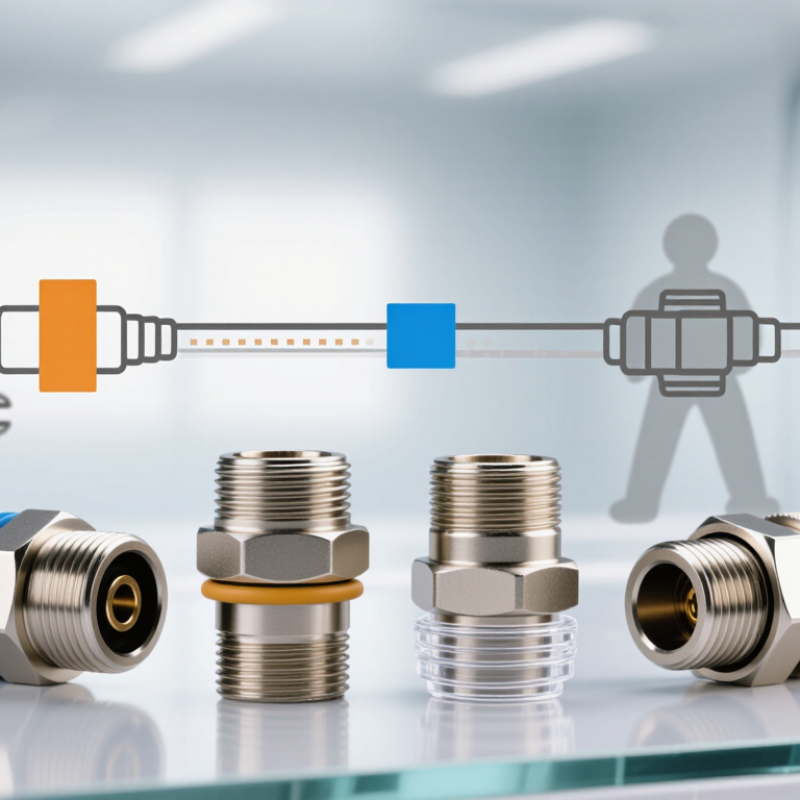
An EMT connector is not waterproof simply because it holds conduit firmly. Water resistance depends on its design, listed use, and installation. For damp or outdoor locations, look for fittings specifically marked for wet-location or rain-tight use. Many use a gasket, sealing washer, or compression mechanism to close the gap between the connector and conduit. Small gap, big consequence.
The seal must stay continuous where the connector meets the box, too. A correctly sized fitting, clean conduit end, and properly tightened locknut or compression nut all matter. During installation, check that the gasket sits flat and is not pinched or cracked. A connector’s protection rating, when provided, applies only under stated conditions; it does not automatically make the whole conduit system waterproof.
I would not rely on appearance alone. Two fittings can look nearly identical while being intended for different environments. Check the product marking and instructions, then confirm the box, entry points, and other fittings are suitable for the same exposure. Even a well-made seal can fail if overtightened, damaged, or installed on an uneven surface. That detail is easy to overlook.
Raintight compression EMT connectors join electrical metallic tubing to boxes and enclosures where rain or moisture may reach the entry point. A compression nut presses the fitting’s components firmly around the conduit. When correctly selected and installed, the connector helps limit water entry at that connection. It does not make an entire raceway waterproof.
These fittings are commonly used on outdoor equipment, exposed building runs, and damp service areas. For example, a conduit entering a weather-exposed junction box needs a connector rated for the conditions, plus a suitable enclosure and sealing arrangement. Check the fitting’s markings and installation instructions; “raintight” should not be assumed to mean suitable for every wet or corrosive location.
Installation details matter. Cut the EMT square, remove sharp burrs, and seat the tubing fully before tightening the nut. A connector can feel secure while still being poorly seated. Not by itself. Inspect the finished joint for gaps, movement, or damaged threads, and confirm the fitting maintains the required electrical bonding path. Match connector and conduit materials where practical, especially in corrosive settings. Even careful work can miss a small flaw, so a final hands-on inspection is worth the extra minute.
Raintight set-screw EMT connectors are a practical choice where conduit enters a box exposed to rain or washdown. A sealing washer closes the fitting-to-box interface, while the set screw grips the EMT. The screw alone does not make a connection raintight. Choose a connector specifically listed for the intended wet-location use, and check that the box, conduit, and fittings form a compatible assembly. Small details matter: a nicked washer or crooked conduit can leave a path for water. Tighten screws to the manufacturer’s instructions; “tight enough” is not a reliable measurement.
The risk is worth taking seriously, but connector data should not be overstated. NFPA’s Home Fires Involving Electrical Failure or Malfunction report estimates an annual average of
46,700 U.S. home fires involving electrical failure or malfunction during 2015–2019.
That broad figure does not isolate EMT connectors. It does show why sound electrical installation matters. On site, inspect the gasket before fitting, keep conduit ends clean, and verify the connection after tightening. A set-screw model can be quick to install. It can also be poorly seated if alignment is rushed. Check the product’s listing and installation instructions for the actual raintight requirements.
Gasketed and insulated-throat EMT connectors address different risks, though they often appear together in waterproof installations. A gasket compresses against a compatible enclosure surface to limit water entry at the connection. Rain-tight performance depends on the connector’s rating, the box, and correct installation. A gasket cannot compensate for a damaged knockout or uneven mounting surface.
Look for a gasket that sits flat, without folds or gaps, before tightening the connector. Keep the enclosure surface clean. Small details matter. Over-tightening can distort parts, while a loose fitting may not seal reliably. In the field, I still double-check gasket alignment after tightening; it is easy to miss when working in a crowded panel. That extra check is worthwhile.
An insulated throat has a different job. Its smooth insulating liner helps protect conductor insulation from abrasion where wires pass through the connector. It does not create a water seal. For damp or wet locations, choose fittings specifically identified for the intended environment, and follow their installation instructions. Check that the conduit, connector, enclosure, and sealing method work as a compatible system. A connector may look robust, but appearance alone tells little about its suitability.
Waterproof Emt Connectors vary by fastening method and sealing design. Common choices include raintight compression fittings and gasketed set-screw fittings. Some also have insulated throats to protect conductors from sharp metal edges. The right type depends on the installation, not just the product label. Check the EMT trade size, enclosure entry, and exposure conditions before buying.
Look for clear markings and documentation that identify the fitting’s intended wet-location use. A gasket should sit evenly against the box or enclosure, with no cracks, twists, or gaps. Match the connector size to the conduit; a loose fit can compromise the seal. Follow the stated tightening method and torque guidance, if provided. Don’t guess.
After assembly, inspect the joint from several angles. The conduit should enter straight, and the locknut or compression nut should be secure without crushed threads. A shiny finish can be reassuring, but it does not prove water resistance. Verify that the connector, enclosure, and installation method are rated for the actual exposure. For example, a sheltered outdoor wall differs from a location exposed to washdown or standing water. If documentation is unclear, pause and confirm compatibility rather than relying on appearance. One overlooked gasket can undo careful work.