7 Tips for Choosing a Hydraulic Final Drive
A Hydraulic Final Drive turns hydraulic power into the torque and speed that move a machine. Choosing one by appearance or price alone can lead to sluggish travel, excess heat, or premature wear. A compact excavator working on a tight urban site has different demands from a loader crossing rough ground all day. Small details count.
Grand View Research’s 2023 Hydraulic Equipment Market report valued the global market at USD 47.6 billion in 2022. It projected 4.2% annual growth through 2030. That broad market estimate does not tell you which drive fits a particular machine. It does underline why careful component selection matters as hydraulic equipment use expands. For a sound decision, compare required torque, operating speed, pressure, duty cycle, mounting dimensions, and port locations. Check the machine manufacturer’s specifications before treating a replacement as interchangeable.
Fluid condition matters, too. ISO 4406 provides a code for reporting solid-particle contamination in hydraulic fluid. Cleanliness requirements vary by system, so confirm the equipment maker’s guidance rather than guessing. A practical review should also consider case-drain requirements, available service support, and the conditions the drive will face. One overlooked measurement can undo an otherwise good match. These seven tips offer a focused way to assess compatibility, performance, and serviceability before you buy. Some field conditions are messy, and no checklist replaces verifying the actual machine data.
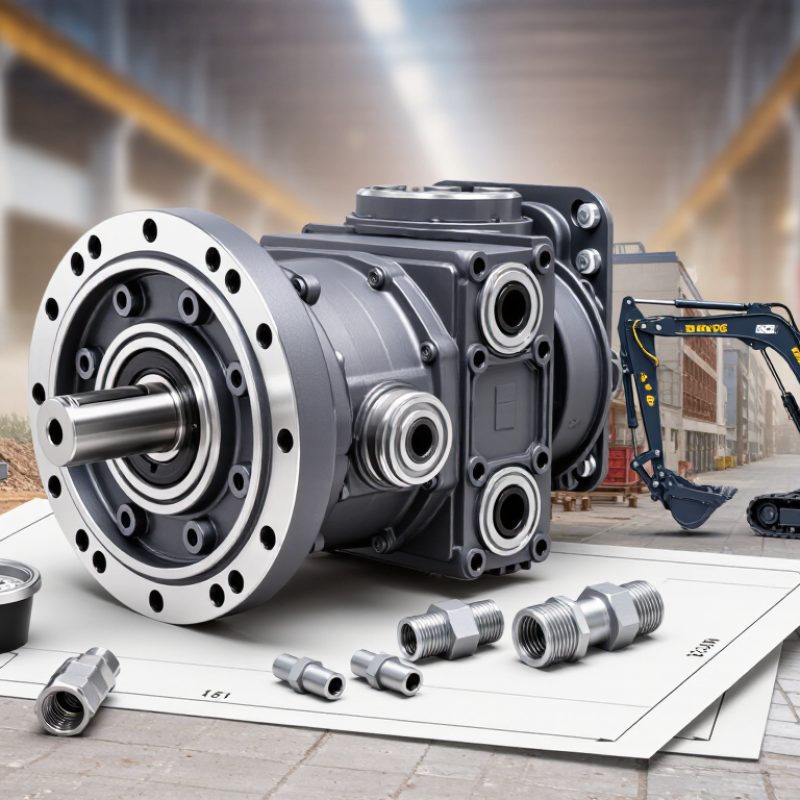
Define the Machine’s Hydraulic Final Drive Requirements
Choosing a hydraulic final drive starts with the machine, not a catalog number. Record its operating weight, including attachments and a typical load. Note the required travel speed, sprocket size, and steepest grade it must climb. Measure under load. A drive sized only for peak speed may lack usable torque on wet soil or a ramp.
Check the hydraulic supply carefully. Available flow largely affects motor speed, while pressure affects torque. Confirm both values with other machine functions operating, not just at idle. Check relief settings, return-line pressure, and case-drain requirements against the motor’s specifications. Small mismatches matter. Also verify the mounting pattern, shaft dimensions, hose connections, and brake-release pressure before ordering.
Describe the real duty cycle: hours of travel, frequent starts, long climbs, and time spent turning on rough ground. A compact machine used intermittently needs different priorities from one that pushes heavy loads all day. Not just peak speed. It is easy to overlook attachment weight or estimate terrain too generously; I would treat uncertain figures as estimates, then measure them where practical. These details help narrow the drive to a unit that fits the machine’s hydraulic circuit and working conditions.
Match Torque and Displacement to Operating Loads
A hydraulic final drive must match the work, not just the machine’s advertised weight. Start with the torque needed at the sprocket or wheel under real operating conditions. A loaded machine climbing a wet ramp needs more torque than one traveling on firm, level ground. Include attachments, carried loads, and frequent starts in your estimate. Check the drive’s torque rating at the pressure your hydraulic system can actually sustain.
Tip: Match displacement to both load and speed. Larger motor displacement generally produces more torque at a given pressure, but it also needs more oil flow to maintain speed. Compare the motor’s displacement, available flow, and expected travel speed together. For example, a compact loader that must turn slowly under load may need a different balance than one built for fast, light travel. Don’t rely on peak figures alone.
Allow room for shock loads. Tracks hitting a curb or wheels turning in sticky soil can briefly raise demand beyond steady operation. Check continuous and intermittent torque ratings, system pressure limits, and heat capacity. Ask for the calculation assumptions, including pressure drop across hoses and valves. I’ve seen estimates look sound on paper, then run hot because real flow was lower than expected. Recheck the numbers against field conditions. A little uncertainty remains; measure pressure and temperature during a representative work cycle before final selection.
Check Hydraulic Pressure, Flow, and Travel Speed
When choosing a hydraulic final drive, compare its pressure and flow requirements with the machine’s hydraulic circuit. Check pressure under working load, not only with the tracks raised or the system idling. A static reading can look healthy while pressure drops during a turn or on a slope. Use a properly rated gauge and follow the machine’s service procedure. Small differences matter.
Flow rate affects motor speed, but pressure helps determine available torque. The two figures must suit the drive and the machine; matching only one can lead to weak travel or excessive speed.
Compare expected travel speed with the drive’s specifications and the machine’s operating needs. Track speed also depends on motor displacement, gearing, and load. A speed that looks right on paper may feel slow in mud.
Measure with the hydraulic oil at its normal operating temperature, since cold oil can distort readings. Record pressure, flow, and travel speed on level ground, then compare them with the service data. Do not assume a worn pump is the only cause of poor travel; restricted hoses, leaks, or control-valve issues can also affect performance. Real machines vary. It is worth checking twice.
Confirm Mounting Dimensions and Component Compatibility
7 Tips for Choosing a Hydraulic Final Drive
Confirm Mounting Dimensions and Component Compatibility
Before selecting a hydraulic final drive, compare its mounting dimensions with the machine’s original unit. Measure the bolt pattern, pilot diameter, mounting-face depth, and shaft length. A small mismatch can prevent proper seating or place extra strain on connected parts.
Small gaps matter. Check the shaft spline count and diameter, too. Confirm that hydraulic ports match the machine’s hoses, including thread type and port position. Verify the required flow, pressure, and case-drain arrangement against service information for the equipment. Do not guess. Similar-looking components may still differ in ways that affect fit or operation.
Measurements taken in the field can be misleading. Paint, dirt, or worn edges may hide the true mounting surface, so clean the area and measure again when possible. Compare the replacement unit’s specifications with the machine’s documentation, and ask a qualified service professional to review any unclear details. It is easy to focus on bolt holes and overlook shaft engagement or port orientation. That extra check can prevent installation delays and reduce the risk of damaging connected components.
7 Tips for Choosing a Hydraulic Final Drive — Confirm Mounting Dimensions and Component Compatibility
Compare key interface dimensions before installation. This illustrative sample shows a nominal drawing alongside a measured unit; dimensions vary by model, so verify against the machine and final-drive manufacturer’s specifications.
Check pilot diameter, bolt-circle diameter, bolt-hole diameter, and shaft projection. Also confirm bolt pattern, spline details, hydraulic ports, and clearance; matching dimensions alone do not guarantee compatibility.
Compare Durability, Serviceability, and Supplier Support
7 Tips for Choosing a Hydraulic Final Drive
Compare Durability, Serviceability, and Supplier Support
Tip 1: Match the drive’s torque and speed ratings to the machine’s actual workload, not just its peak figures. Tip 2: Check housing materials, seals, and contamination protection for the conditions on site. Dust, water, and repeated shock loads matter. Tip 3: Ask how durability claims were tested; a clean test environment may not reflect a muddy worksite. I would not rely on ratings alone.
Tip 4: Look for accessible inspection points and clear maintenance instructions. Tip 5: Confirm that common wear components can be replaced without dismantling half the machine. That saves time. Also check whether service requires special tools or trained technicians. A compact design can be convenient, but sometimes it makes repairs awkward; inspect the layout before deciding.
Tip 6: Ask the supplier about parts availability, technical documentation, and typical response times. Tip 7: Request help checking compatibility with your hydraulic system, including flow, pressure, and mounting dimensions. Give them your machine details and operating conditions. Compare the quality of their answers, not just their promises. Vague support can become a costly delay when equipment is stopped.

