Why is Thermal Grease Essential for Optimal Performance?
In today’s tech-driven world, efficient thermal management is crucial. Thermal Grease is often overlooked, yet it plays a vital role in device performance. Dr. Emily Carter, a leading expert in thermal interface materials, stated, “The right thermal grease can make or break a device’s functionality.” This highlights the importance of selecting suitable thermal grease.
Thermal grease acts as a bridge between heat-generating components and heat sinks. It fills microscopic gaps that would otherwise trap air, a poor conductor of heat. Without proper application, overheating may occur, leading to performance issues. Many users misapply thermal grease, applying too much or too little. This can degrade performance and reliability.
Beyond simple application, the selection of thermal grease matters. Different types exist, each with unique properties catering to varied needs. Users often neglect to consider these factors, leading to inefficiencies. It’s also vital to recognize the long-term impact of thermal grease degradation, which can affect device lifespan. Therefore, informed choices surrounding thermal grease are essential for optimal performance.
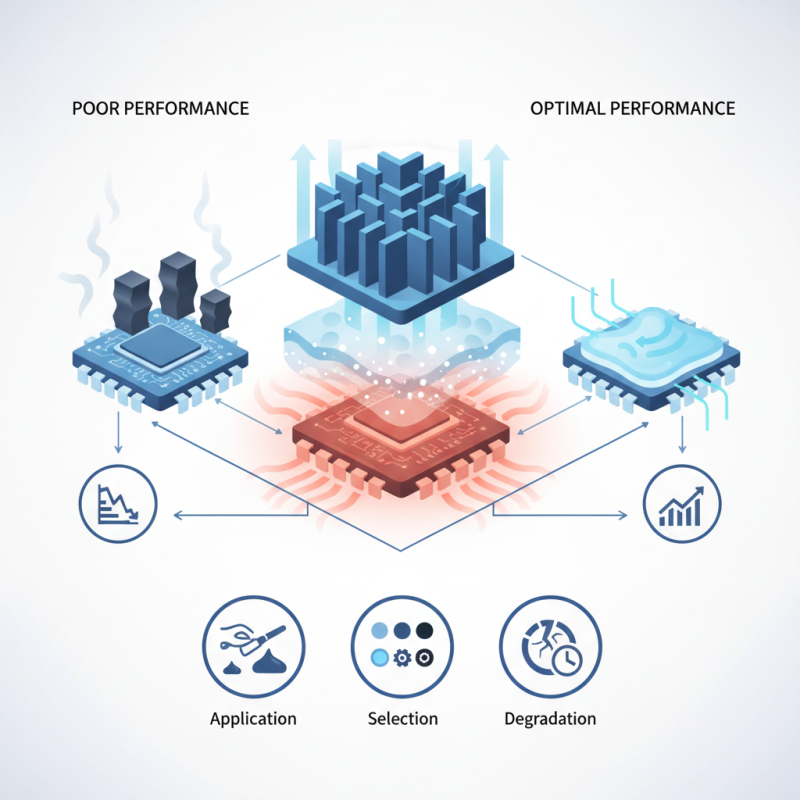
Understanding Thermal Grease and Its Composition
Thermal grease is crucial for ensuring optimal performance in electronic devices, especially CPUs and GPUs. Understanding its composition can shed light on why it plays such a vital role. Typically, thermal grease consists of a blend of silicone oil and metal oxides, resulting in a substance that enhances thermal conductivity. According to industry reports, effective thermal grease can improve heat transfer by up to 50%. This is significant for preventing overheating, which can lead to hardware failure.
Many users overlook the importance of applying thermal grease properly. A thin, even layer is essential for maximizing its performance. Excess grease can act as an insulator rather than a conductor, defeating its purpose. TIPS: Always clean surfaces before applying thermal grease. This ensures better adhesion and heat transfer.
Another common issue is the degradation of thermal grease over time. Exposure to heat can cause it to dry out. Once this happens, its effectiveness diminishes. TIPS: Replace thermal grease every few years for optimal performance. Proper maintenance can mitigate overheating risks and extend device lifespan.
The Role of Thermal Grease in Heat Transfer Efficiency
Thermal grease plays a vital role in heat transfer efficiency. Its primary function is to fill microscopic gaps between surfaces, improving thermal conductivity. According to industry reports, the right thermal interface material can enhance heat transfer by up to 40%. This improvement is crucial in high-performance applications, such as computers and smartphones.
Applying thermal grease correctly is essential. An improper application can trap air bubbles, which reduces efficiency. A thin, even layer is recommended. Over-application can lead to spilling, causing mess and additional heat resistance.
Tip: Use a clean, flat tool to spread the grease evenly.
The type of thermal grease matters, too. High-quality options usually contain metal oxides or silicone compounds. They provide better conductivity than standard alternatives. Reports suggest that using advanced thermal grease can reduce temperatures by several degrees Celsius in CPUs.
Tip: Regularly check and replace thermal grease to maintain optimal performance.
Understanding these details helps in making informed choices. Evaluate your needs and select products that can enhance your systems, ensuring better longevity and performance.
Why is Thermal Grease Essential for Optimal Performance? - The Role of Thermal Grease in Heat Transfer Efficiency
| Property | Description | Typical Value |
| Thermal Conductivity | Measure of a material's ability to conduct heat | 3 - 10 W/m·K |
| Operating Temperature Range | The range of temperatures at which the thermal grease can function | -40°C to 150°C |
| Viscosity | A measure of a fluid's resistance to flow, affecting application | 50,000 - 200,000 cps |
| Electrical Conductivity | Indicates whether the material can conduct electricity | Non-conductive |
| Application Method | How the thermal grease is applied to surfaces | Syringe, tube, or pre-cut pads |
| Curing Time | Time required for the grease to set and reach optimal performance | 1 - 24 hours |
Consequences of Inadequate Thermal Interface Materials
Thermal grease plays a vital role in computer hardware. Inadequate thermal interface materials can lead to overheating. Excessive temperatures may reduce the lifespan of components. A report by the International Thermal Management Conference revealed that poor thermal conduction can increase CPU operating temperatures by up to 30%. This can throttle performance and damage sensitive parts.
Improper application of thermal grease is common. Many users apply too little or too much. Both practices can lead to air pockets. These pockets greatly hinder heat transfer. According to studies, inadequate thermal grease distribution can cause a 50% increase in thermal resistance. This might not be immediately obvious, but it accumulates over time.
**Tip:** Apply a thin, even layer of thermal grease for optimal results. Over time, check temperatures regularly. Adjust if you notice a significant increase. Proper maintenance can prolong your system’s lifespan. Remember, attention to detail makes a difference. Overlooking thermal interfaces may lead to costly repairs or replacements.
Why is Thermal Grease Essential for Optimal Performance?
Inadequate thermal interface materials (TIMs) can lead to significant performance issues, with a clear distinction in effectiveness categorized into five grades. This bar chart illustrates the performance rating of various TIMs where excellent materials provide optimal heat dissipation, while very poor materials severely hinder thermal conductivity, compromising device performance. Proper selection of thermal grease is crucial for optimal thermal management.
How to Apply Thermal Grease for Optimal Performance
Applying thermal grease correctly is vital for any computer or electronic device. This compound enhances heat transfer between the component and the heat sink, which prevents overheating. Proper application is crucial to achieving the best thermal conductivity.
Start by cleaning the surfaces where the thermal grease will be applied. Use isopropyl alcohol and a lint-free cloth for this task. It's essential to remove any old thermal material before adding new grease. A small, pea-sized amount is usually enough; too much can actually hinder performance. Spread the compound evenly across the surface; this can be done with a plastic card. Avoid using fingers, as this can introduce oils that reduce efficiency.
Also, consider the spacing when applying thermal grease. An even layer, without gaps, ensures maximum contact. Many people make the mistake of using too little or too much material. Adjusting the amount can lead to noticeable improvements. It's a fine balance that requires some trial and error, which can be a frustrating process. Documenting your results can help fine-tune your application technique. Ultimately, applying thermal grease correctly is key to maintaining optimal performance.
Common Myths and Misconceptions About Thermal Grease
Thermal grease plays a crucial role in heat dissipation for electronic devices. However, many misconceptions cloud its importance. One common myth is that using more thermal grease always leads to better performance. This is simply not true. An excess of thermal grease can actually hinder heat transfer. It can create an insulating layer instead of effectively conducting heat away.
Another myth is that thermal grease never wears out. In reality, thermal grease can degrade over time due to temperature fluctuations. This degradation reduces its effectiveness, leading to potential overheating. Users often forget to replace it during routine maintenance. This oversight can have serious consequences, especially in high-performance applications.
Some people believe that all thermal greases are the same. This misconception underestimates the differences in thermal conductivity, viscosity, and usage conditions. A poorly chosen thermal grease can lead to inefficient heat transfer. Educating oneself about different types of thermal compounds is vital for achieving optimal performance.

