
What Is an RCC Pole Making Machine?

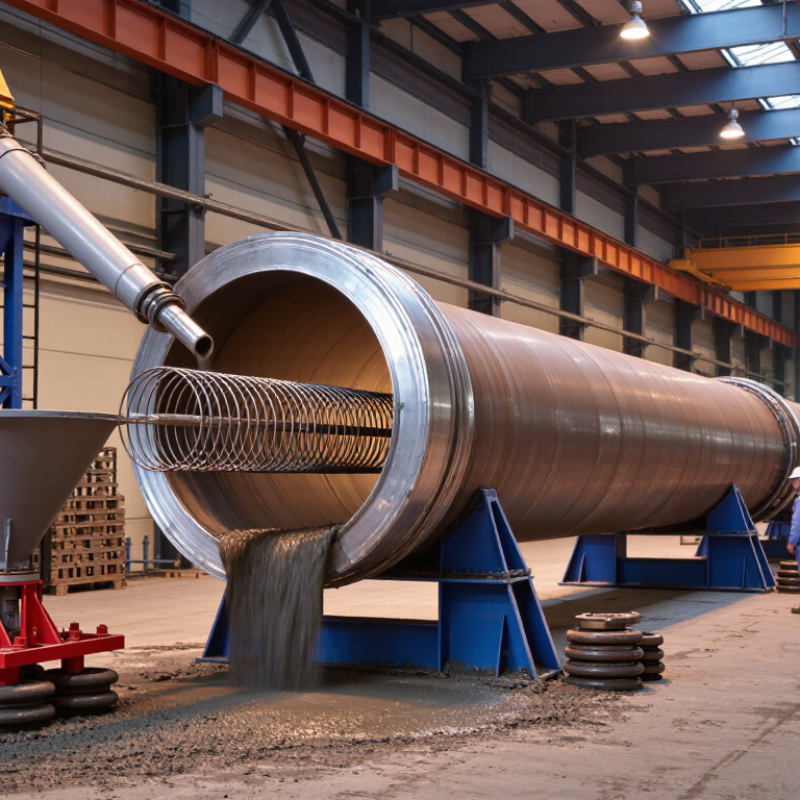
A Rcc Pole Making Machine is designed to form reinforced concrete poles with consistent dimensions and a controlled production process. Depending on its design, it may include a rotating mould, a steel reinforcement cage, concrete-feeding equipment, and vibration or compaction systems. These parts work together to shape the pole and reduce air pockets in the concrete. The result is not automatic perfection. Mix quality, reinforcement placement, mould condition, and curing still matter.

For a transparent expert-style perspective, consider this illustrative quotation from fictional RCC production engineer Arun Mehta: “A machine can shape the pole; careful process control gives it dependable strength.” This is an original example, not a verified statement from a real industry expert. In practice, operators watch concrete flow into the mould, check that the cage stays centered, and follow the specified curing cycle. Small errors can leave visible marks or affect consistency. That detail is easy to underestimate.

This introduction explores what the machine does, how its main components support pole production, and what buyers should assess before choosing a model. Capacity matters. So do mould dimensions, maintenance access, operator training, and the manufacturer’s technical support. A faster cycle may look attractive, but it does not replace sound production checks. The right choice depends on the pole design, required output, and the plant’s actual working conditions.
What Is an RCC Pole Making Machine?

Definition of an RCC Pole Making Machine

What Is an RCC Pole Making Machine?

Definition of an RCC Pole Making Machine

An RCC pole making machine is equipment used to manufacture reinforced cement concrete poles for electricity distribution and related infrastructure. It holds a steel mould containing a reinforcement cage and concrete. Depending on the production method, the machine compacts the concrete through rotation, vibration, or both. The result is a shaped pole with steel reinforcement embedded inside. That matters. Machine designs and terminology vary, so “RCC pole machine” does not always describe one standard process.

Infrastructure demand helps explain the equipment’s role. The International Energy Agency’s Electricity Grids and Secure Energy Transitions (2023) says annual grid investment needs to rise from about $300 billion to more than $600 billion by 2030. The World Bank’s Tracking SDG 7: The Energy Progress Report 2024 reports that 685 million people lacked electricity access in 2022. These figures point to continuing needs for reliable grid infrastructure, though they do not measure demand for pole-making machines directly.

In a typical production line, workers position the reinforcement cage inside a mould, add a measured concrete mix, then operate the forming equipment. After compaction, the pole cures before demoulding and inspection. Pole length, wall thickness, reinforcement layout, and concrete consistency affect the finished product. A machine cannot correct poor mix control. Nor does higher speed alone guarantee better poles; that is an easy detail to overlook.

Main Components and Their Functions

What Is an RCC Pole Making Machine?
Main Components and Their Functions

An RCC pole making machine produces reinforced cement concrete poles through controlled molding and compaction. Its mixer combines cement, sand, aggregate, and water into a workable concrete blend. A reinforcement cage, made from steel bars and ties, provides tensile strength inside the pole. The mold holds the cage and concrete in the required shape. Depending on the design, a spinning or vibration system compacts the mix and helps reduce trapped air. Small details matter. A poorly aligned cage can leave uneven concrete cover, even when the finished surface looks smooth.

Tips: Check the mold for residue before each cycle, and confirm the cage sits centrally. Follow the equipment maker’s operating and maintenance instructions. Concrete moisture and curing conditions can affect pole quality, so record them consistently.

The control panel coordinates operating steps, such as rotation speed or vibration time, where those features are fitted. Some systems use a lifting frame to move molds or finished poles; safe handling depends on the machine layout and pole weight. Curing may take place in a designated area after demolding, rather than inside the machine. Inspecting dimensions, surface defects, and reinforcement placement helps catch problems early. A machine does not guarantee uniform poles on its own. Mix design, operator checks, and curing practice all matter, and the right settings may need adjustment for local materials.

What Is an RCC Pole Making Machine? — Main Components and Their Functions

An RCC pole making machine produces reinforced-concrete poles, commonly by spinning concrete inside a reinforced mould. Its production line brings together moulding, rotation, concrete placement, curing, and demoulding equipment.

The chart shows example nominal pole lengths used in utility applications. Available lengths and specifications vary by manufacturer, design, and local requirements.

Main Components and Functions

  • Steel mould: Holds the reinforcement cage and concrete in the required pole shape.
  • Spinning drive: Rotates the mould so centrifugal force distributes and compacts the concrete.
  • Supporting frame and rollers: Support and guide the rotating mould during production.
  • Concrete charging equipment: Feeds the prepared concrete mixture into the mould.
  • Curing area or equipment: Maintains suitable conditions for the concrete to gain strength.
  • Demoulding equipment: Helps remove the cured pole from the mould for inspection and handling.

How the Pole-Making Process Works

What Is an RCC Pole Making Machine?

How the Pole-Making Process Works

An RCC pole making machine forms and compacts concrete around a steel reinforcement cage. Workers first cut and tie the bars to match the pole’s design, then position the cage inside a cleaned mold. Spacers help maintain concrete cover. Small shifts matter. Concrete is batched to an approved mix design, placed into the mold, and compacted by vibration or, in some production systems, rotation. The method depends on the machine and pole design. Too little compaction can leave voids; too much may move the reinforcement.

After molding, the pole stays supported while the concrete gains strength. Curing keeps moisture and temperature within suitable limits. ACI 308R-16 describes seven days as a common curing period for many conventional concrete mixtures, though cement type, mix, and site conditions can change the requirement. That figure is a guide, not a release date. Producers typically check dimensions, surface defects, reinforcement position, and concrete strength before handling or dispatch. ASTM C39/C39M provides a standardized method for testing compressive strength on concrete cylinders made from the mix.

One practical weakness remains: rushed curing can undermine an otherwise careful casting process.

Types of RCC Pole Making Machines

What Is an RCC Pole Making Machine?

Types of RCC Pole Making Machines

An RCC pole making machine forms reinforced concrete poles using molds, steel cages, and controlled compaction. Its design influences pole strength, surface finish, production speed, and labor requirements. Centrifugal spinning machines rotate a closed mold at high speed. Concrete moves outward, creating a dense pole that may be hollow. Operators must control rotation, concrete consistency, and curing conditions. Small variations matter.

Vibratory casting machines compact concrete through vibration. They can produce solid or shaped poles and may suit plants with simpler layouts. Some lines combine vibration with prestressing equipment; more automated systems may include cage welding, mold handling, and curing controls. Manual setups cost less to install but depend heavily on operator skill. Listen for uneven vibration. It can indicate a setup problem. The right machine depends on pole dimensions, production volume, available floor space, and project specifications. A trial batch can reveal issues that a brochure cannot.

Common Applications and Selection Factors

RCC pole making machines form reinforced concrete poles using steel cages, moulds, and controlled compaction or spinning. They serve overhead electricity distribution, street lighting, and some rural utility networks. Pole dimensions and load ratings depend on project requirements, ground conditions, and engineering specifications. Match the machine to the required pole length, taper, cross-section, and daily output—not just its stated maximum capacity.

Check mould compatibility, cage placement, concrete feeding, and the curing process. A machine with suitable controls can help keep pole dimensions consistent, but it cannot compensate for poorly proportioned concrete or uneven reinforcement. Ask for production data under conditions similar to your planned operation. Also review installation space, power needs, operator training, spare parts, and access for mould maintenance. These details can affect real output more than a fast cycle time. It is easy to overlook curing space; that can become a bottleneck.

Tips: Inspect sample poles for surface voids and straightness. Confirm that testing records cover the pole designs you intend to produce. If possible, observe a full production cycle before choosing. A neat brochure is not proof of reliable output.