Why Choose Print Inspection Systems for Quality Assurance?
In today's competitive printing industry, maintaining quality standards is crucial. Print Inspection Systems are essential tools for meeting these demands. According to a recent report by Smithers Pira, the global market for print quality assurance is projected to reach $2.5 billion by 2025. This growth highlights the industry's increasing focus on quality control.
Print Inspection Systems provide real-time monitoring of print quality, reducing errors significantly. They catch defects that manual inspections may overlook, ensuring products meet the highest standards. For instance, a study by IndustryWeek found that companies using automated inspection systems reduced defect rates by up to 30%. However, some may argue that reliance on technology can lead to complacency. It is vital to balance automation with human oversight for optimal results.
Furthermore, adopting Print Inspection Systems can enhance operational efficiency. With accurate data, businesses can make informed decisions, improving overall productivity. Yet, firms must consider the initial investment and ongoing maintenance costs. Evaluating these factors is crucial to determine whether the long-term benefits outweigh potential drawbacks.
Benefits of Print Inspection Systems in Quality Assurance
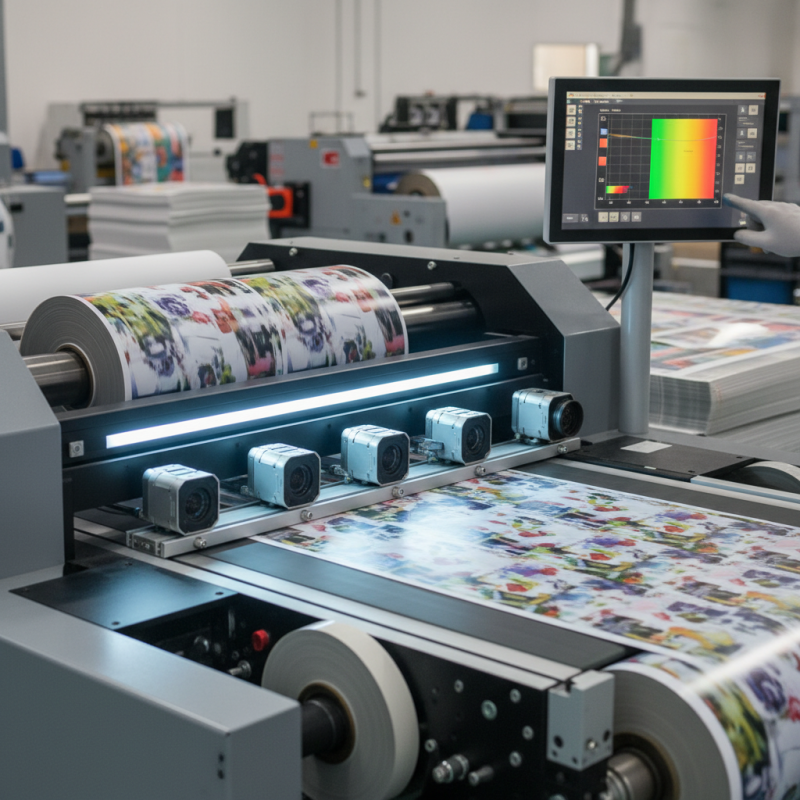
Print inspection systems have revolutionized quality assurance across various industries. These systems offer a robust solution to detect printing errors, ensuring products meet stringent quality standards. According to a report by Smithers Pira, 80% of packaging defects arise from printing issues. This statistic emphasizes the importance of employing reliable print inspection systems in production lines.
By using advanced imaging technology, these systems can identify defects such as color mismatches and misalignments. Implementing such technology can reduce waste and enhance productivity. A study highlights that companies using print inspection can decrease reject rates by as much as 25%. The detailed analysis these systems provide leads to improved decision-making in quality control processes.
However, it's crucial to note that not all print inspection systems are equal. Some may struggle with complex designs, and variations in print media can affect performance. Businesses must evaluate their specific needs and invest in systems that align with their production capabilities. Continuous feedback loops from these systems could enhance their operational reliability. This invites manufacturers to reflect on their processes, ensuring they leverage technology effectively for quality assurance.
Key Features of Print Inspection Technology
Print inspection technology plays a crucial role in quality assurance within the printing industry. It provides advanced features that significantly improve print quality, reduce waste, and enhance operational efficiency. According to a recent industry report by Smithers Pira, implementing print inspection systems can reduce errors by up to 90%. This error reduction leads to significant cost savings. Accurate inspections discover flaws that humans may miss, securing higher quality standards.
Key features of these systems include real-time monitoring and detailed reporting. Automated defect detection identifies issues like misalignment or color inconsistencies instantly. This technology offers a level of precision that manual inspections often cannot achieve. In a survey published by Packaging Strategies, 78% of manufacturers noted that automation has improved their production quality.
Tips for quality assurance teams: Invest in training staff to effectively use new technology. Familiarity with the system enhances its capabilities. Regular maintenance is also crucial; it ensures the equipment runs efficiently and accurately. Remember, continuous improvement is vital. Even with advanced technology, it's essential to evaluate processes continually for potential flaws.
Comparison of Print Inspection Systems and Manual Quality Checks
Manual quality checks have long been the standard in print processes. However, they are often limited by human error. A tired operator may overlook a crucial defect. This inconsistency can lead to costly mistakes. Manual inspections rely heavily on subjective judgment. What one person sees, another might miss. This variability can compromise product quality and brand reputation.
Print inspection systems, on the other hand, offer a more reliable alternative. These systems utilize advanced technology to detect defects consistently. They analyze print quality in real-time, providing immediate feedback. This leads to faster corrections and better overall quality. However, reliance on technology has its own challenges. Systems can fail or encounter software issues. It's essential to ensure proper training for operators to maximize efficiency.
Choosing between print inspection systems and manual checks is not straightforward. Both methods have their pros and cons. While print inspection systems enhance accuracy, manual checks can catch subtleties in ways machines might not. Integrating both can be beneficial. It allows for a comprehensive approach to quality assurance. Balancing technology and human oversight can lead to the best outcomes.
Industry Applications of Print Inspection Systems
Print inspection systems are essential in various industries. They ensure that printed products meet quality standards. These systems are widely used in packaging, labeling, and printing sectors. For instance, in the food and beverage industry, accurate labels are crucial for compliance. A single error can lead to costly recalls.
In the pharmaceutical sector, print integrity prevents serious errors. Missing or incorrect information can have dire consequences. Additionally, electronic components rely on precise markings. Any distortion in print quality can cause equipment failures.
While these systems offer significant benefits, challenges exist. Some may struggle with implementation costs. Others might find training staff difficult. Continuous updates to technology can also overwhelm a team. Despite these hurdles, the advantages in quality control remain compelling.
Future Trends in Print Inspection for Quality Assurance
The landscape of print inspection systems is evolving rapidly. Companies are increasingly investing in technology that enhances quality assurance. This shift is driven by the demand for consistent accuracy in printed materials. New advancements in AI and machine learning are making it possible to automate inspection processes. Automated systems can detect defects that might go unnoticed by the human eye. This improves overall product quality and reduces waste.
In the future, we may see even more integration of smart technology in print inspection. Systems will collect vast amounts of data to predict issues before they occur. This predictive capability can significantly reduce downtime and streamline production. However, the reliance on technology comes with challenges. Companies must balance automated insights with human oversight. As technology advances, the potential for errors in system calibration can increase. Regular training and updates will be crucial in maintaining reliability.
Another trend is the focus on sustainability. Eco-friendly materials are becoming standard, and inspection systems must adapt. The ability to ensure quality while minimizing environmental impact will be a key factor. As companies strive for sustainability, print inspection systems will need to evolve in tandem. This calls for innovation in both technology and practices. Exploring these trends will shape the quality assurance landscape in the coming years.
Why Choose Print Inspection Systems for Quality Assurance? - Future Trends in Print Inspection for Quality Assurance
| Feature | Importance | Future Trends | Impact on Quality Assurance |
| Real-Time Monitoring | Critical for immediate adjustments | Increased automation and AI integration | Reduces errors and waste, enhancing efficiency |
| Error Detection | Essential for maintaining product standards | Advanced algorithms for higher accuracy | Enhances brand reputation and customer satisfaction |
| Data Analytics | Informs operational improvements | Integration with big data technologies | Facilitates proactive decision-making |
| User-Friendly Interfaces | Improves operator efficiency | Responsive design for mobile and tablet access | Reduces training time and errors |
| Regulatory Compliance | Mandatory for many industries | Enhanced reporting capabilities | Ensures legal safety and avoids penalties |

