What is an Oil Cooler For Compressor and How Does It Work?
Compressed air systems are vital in various industries, generating a significant amount of heat. An **Oil Cooler For Compressor** is essential for managing this heat efficiently. According to a report by the Compressed Air and Gas Institute (CAGI), effective cooling can extend compressor lifespan by over 30%. This highlights the importance of understanding how oil coolers work.
Oil coolers maintain optimal operating temperatures by dissipating heat from the oil. Cool oil circulates through the compressor, ensuring smooth operation and preventing damage. However, they are often overlooked in system maintenance. Neglecting oil coolers can lead to increased energy costs and decreased equipment reliability.
Many facilities still experience excessive wear on compressor components due to inadequate cooling systems. This shows the need for better awareness and investment in cooling solutions. As air compressor use rises, the demand for oil coolers grows, providing a pathway for efficiency improvements. The Oil Cooler For Compressor plays a crucial role in sustaining performance and reliability in modern compressed air systems.
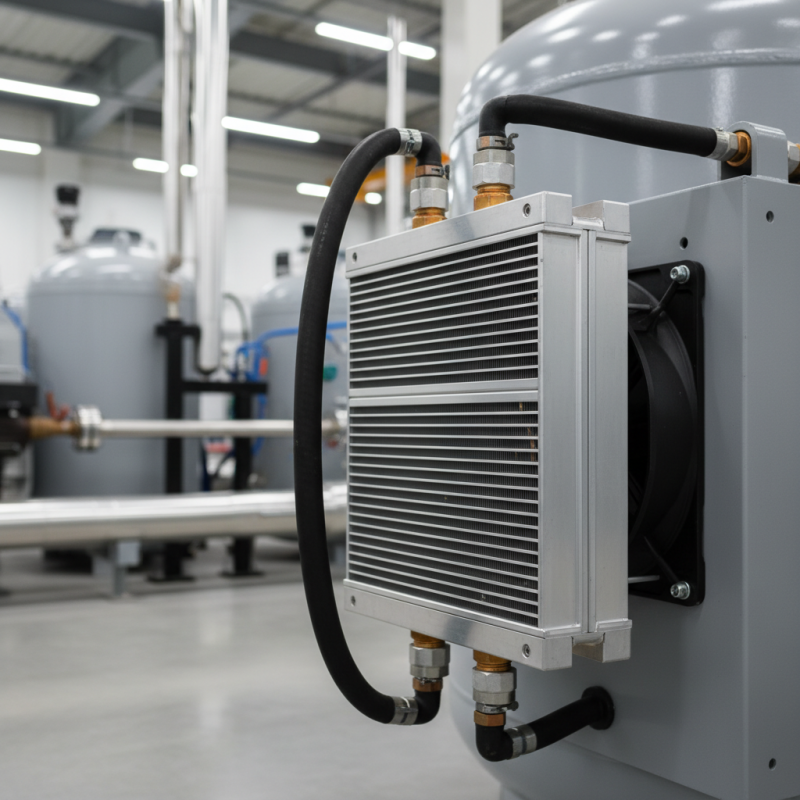
What is an Oil Cooler in Compressor Systems?
An oil cooler plays a vital role in compressor systems. It helps maintain optimal operating temperatures. By dissipating heat from the oil, it protects engine components from damage. Overheating can lead to oil breakdown, which affects performance.
In a compressor, oil circulates to lubricate and reduce friction. As it travels, it absorbs heat. The oil cooler then draws this heat away. Cooler oil returns to the compressor to maintain efficiency. This process ensures the compressor runs smoothly.
**Tip:** Regularly check your oil cooler for leaks or blockages. A clean cooler enhances the cooling process. Routinely changing the oil is also crucial for system health.
An inefficient oil cooler can lead to operational problems. Low oil temperatures can cause increased wear. It’s essential to pay attention to these details for longevity. If unsure about maintenance, consult with a professional. A small oversight can lead to big issues down the line.
**Tip:** Monitor temperature levels consistently. Installing temperature gauges can provide real-time insights. Prompt action can prevent potential failures.
The Functionality of Oil Coolers in Compressors
Oil coolers play a vital role in the functioning of compressors. They are designed to maintain optimal operating temperatures by removing excess heat from the oil. This heat management is essential for ensuring the longevity and efficiency of the compressor. A properly functioning oil cooler prevents overheating, which can lead to equipment failure.
The oil cooler operates by circulating oil through a series of tubes or fins. As the oil flows, it releases heat to the surrounding air or coolant. This process lowers the oil temperature before it returns to the compressor. Efficient heat dissipation contributes to improved lubrication and reduced wear on moving parts.
**Tips:** Regular maintenance checks on your oil cooler can prevent costly repairs. Look for signs of oil leaks or blockages. Clean the cooler frequently to ensure optimal airflow. This can extend the life of your compressor.
Monitoring the oil temperature is also crucial. If it consistently runs high, consider the system’s capacity. The cooler might not be sufficient for your needs. Always consult a professional for significant temperature issues. Addressing these concerns early can save you time and resources.
Oil Cooler Temperature Efficiency in Compressors
The above chart illustrates the temperature of oil in a compressor before and after it passes through an oil cooler. The data shows a significant drop in temperature from 90°C before cooling to 60°C after cooling, highlighting the effectiveness of the oil cooler in maintaining optimal operating conditions for the compressor.
How Oil Coolers Enhance Compressor Efficiency
Oil coolers play a crucial role in enhancing the efficiency of compressors. They maintain optimal operating temperatures, which is vital for performance. According to industry reports, a cooler compressor operates more efficiently, allowing for better energy use. A temperature drop of just 10 degrees Fahrenheit can lead to a 1-2% increase in efficiency.
In many industrial applications, compressors can overheat due to prolonged use. This overheating can lead to significant energy loss. As reported by the Global Energy Efficiency Program, energy losses can reach up to 30% when compressors run at elevated temperatures. By implementing oil coolers, operators can significantly mitigate these losses. The correct oil cooler setup ensures consistent oil flow and prevents thermal degradation.
However, not all systems are the same. The effectiveness of an oil cooler hinges on its design and operational context. Regular maintenance is essential to ensure reliable performance. Neglecting this can lead to inefficiencies and increased downtime. Continuous monitoring of oil temperatures is necessary for optimal compressor health.
Common Types of Oil Coolers for Compressors
Oil coolers are essential components in compressors. They help maintain optimal operating temperatures and improve efficiency. Several common types of oil coolers exist, each serving specific needs and applications.
Air-cooled oil coolers are prominent for their simplicity and effectiveness. They utilize ambient air to dissipate heat, making them suitable for various environments. These coolers can be found in many industrial applications. However, they may struggle in extremely high-temperature settings. Water-cooled oil coolers, on the other hand, use water as a cooling medium. These are effective in controlling temperatures but require a reliable source of water.
Tips: When selecting an oil cooler, consider the compressor's operating environment. It's critical to ensure compatibility between the cooler type and the compressor system.
Another option is the shell-and-tube cooler design, praised for its durability. These are robust and can handle high pressure, but they tend to be bulkier. Finding a balance between size and performance is vital.
Tips: Regular maintenance of oil coolers can extend their lifespan. Cleaning and inspection are crucial to prevent overheating and inefficiencies.
Maintenance Tips for Oil Coolers in Compressor Applications
Oil coolers are essential components in compressor systems, ensuring optimal performance by regulating oil temperatures. Proper maintenance of these coolers can significantly extend the lifespan of the compressor. Regularly monitoring the coolant levels and examining for leaks can prevent costly downtime.
Routine cleaning is also critical. Dust and debris can accumulate, hindering airflow. This can lead to overheating. Reports indicate that a 10% increase in oil temperature can halve equipment life. Conduct periodic inspections to ensure that oil coolers operate efficiently.
Tip: Always check the connections and seals for wear. If you find any damage, replace them immediately to avoid oil leaks.
Another key practice is to monitor system pressure. A sudden drop could indicate an obstruction. Observing the cooling efficiency regularly can help identify issues early. Ignoring small problems can lead to bigger failures down the line.
Tip: Record maintenance activities and performance metrics. This helps track trends and identify any repeating issues. Make adjustments based on these observations to enhance the reliability of your compressor system.
What is an Oil Cooler For Compressor and How Does It Work? - Maintenance Tips for Oil Coolers in Compressor Applications
| Parameter | Description | Importance | Maintenance Tips |
| Cooling Type | Air-cooled / Water-cooled | Determines efficiency and application suitability | Regularly check for blockages and clean as necessary |
| Fluid Type | Oil (Mineral, Synthetic) | Affects viscosity and heat transfer | Ensure correct oil type is used; check levels regularly |
| Operating Temperature | Ideal range between 70°C - 80°C | Maintains system performance and longevity | Monitor temperature; install temperature gauges |
| Maintenance Frequency | Monthly / Quarterly | Prevents breakdowns and maintains efficiency | Schedule inspections; replace filters as needed |
| Common Issues | Clogging, Leaks, Overheating | Can lead to compressor failure | Identify and resolve issues immediately |

