What is a Mechanical Switch and How Does It Work?
Mechanical Switches are integral components in various devices, particularly in keyboards. Understanding how a mechanical switch works can enhance your typing experience. These switches differ from their membrane counterparts, offering a tactile response and auditory feedback.
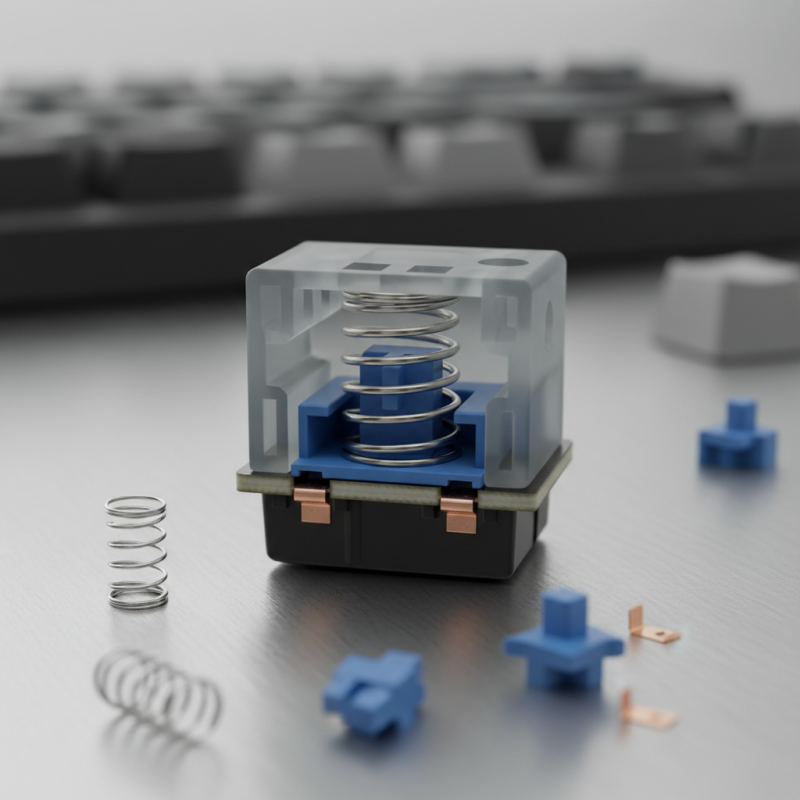
A mechanical switch operates using a physical mechanism. Each key consists of a housing, spring, and stem. When pressed, the stem moves, compressing the spring and closing an electrical circuit. This action generates a satisfying click, providing users with immediate feedback. Many gamers and typists prefer mechanical switches for their reliability and longevity.
Despite their advantages, mechanical switches have drawbacks. They can be louder than other switches, which may be disruptive. Moreover, not all mechanical switches are created equal; quality varies among brands and models. It's crucial to choose the right switch to match personal preferences and use cases. Exploring the world of mechanical switches reveals a fascinating blend of engineering and user experience, guiding you toward informed decisions for your next keyboard.
What is a Mechanical Switch?
Mechanical switches are a vital component in various applications, particularly in keyboards and industrial machinery. They function through a physical mechanism, typically utilizing metal contacts that create or break a circuit when pressed. This design ensures a tactile feedback that many users appreciate. According to recent industry reports, mechanical switches account for over 60% of the market share for gaming keyboards in 2023 alone. Their enduring popularity lies in the reliability and performance they offer.
When choosing a mechanical switch, consider factors like actuation force and travel distance. These specifications influence how a switch feels during use. For example, some users might prefer lighter switches for quick responses, while others may opt for heavier switches for better control. It’s essential to test different types to find what suits you best.
**Tip:** Pay attention to how each switch sounds. Sound can impact the typing experience and even the environment around you.
Despite their benefits, mechanical switches are not without flaws. Some users report that durability can vary between switches due to manufacturing inconsistencies. These inconsistencies can lead to some switches failing earlier than expected. Therefore, conducting thorough research and choosing high-quality options is crucial.
**Tip:** Join online forums to get insights from other users about their experiences. This collective knowledge can guide your decision-making process.
What is a Mechanical Switch and How Does It Work?
| Dimension | Description |
| Type | Mechanical switch types include tactile, linear, and clicky. |
| Actuation Force | The force required to press the switch down, typically measured in grams. |
| Lifespan | Mechanical switches can last from 20 million to 100 million key presses. |
| Feedback | Feedback can be tactile (feel the actuation) or audible (click sound). |
| Applications | Commonly used in keyboards, gaming devices, and other electronic interfaces. |
Components of a Mechanical Switch
Mechanical switches are essential components in various devices, especially keyboards. They consist of several parts that work together to provide a tactile and auditory feedback when pressed. The primary components include the housing, spring, and switch mechanism.
The housing of a mechanical switch is usually made from durable plastic or metal. It provides structural support for the switch mechanism. This part is crucial as it protects the internal components from dust and damage. The spring is another important element. It helps return the key to its original position after being pressed. The type of spring can affect the switch's actuation force and responsiveness.
You should consider the switch mechanism itself. This component often includes a plastic stem. When pressed, the stem moves down and connects with electrical contacts, completing the circuit. This action produces a satisfying click or tactile bump, depending on the switch type.
Tip: When choosing a mechanical switch for your keyboard, think about the type of feedback you prefer. Do you like clicky sounds or a more subdued experience?
Choosing the right switch can significantly impact your typing experience. Test different types if possible. Sometimes, moving to a lighter or heavier switch can solve comfort issues and enhance speed.
Tip: Keep track of your finger position. Poor technique can lead to fatigue, no matter the switches you choose. Pay attention to your posture as well.
How Mechanical Switches Function
Mechanical switches are fascinating components found in various devices, from keyboards to industrial machines. These switches function through a system of physical mechanisms. When you press a mechanical switch, it activates a contact that allows or interrupts the flow of electricity. The tactile feedback and audible click provide a satisfying experience, making them popular among users.
The internal structure of a mechanical switch typically contains a spring and a housing. The spring compresses when the switch is pressed, storing potential energy. Once the activation point is reached, the switch snaps back, completing the circuit. This design allows for precision and reliability in performance. It's crucial, however, to consider wear and tear over time. Mechanical switches may degrade, leading to inconsistent performance.
User experience can vary significantly based on the switch type. Some switches offer a smooth response while others provide a more pronounced click. Incorrect applications or heavy usage can affect their longevity. Understanding how mechanical switches function empowers users to make informed choices. Exploring their nuances helps refine device performance and enhances user satisfaction.
Types of Mechanical Switches
Mechanical switches are popular components in keyboards and other devices. They offer distinct advantages over membrane switches. The different types of mechanical switches vary based on feel and sound. Each type is designed for specific user preferences.
One common type is the tactile switch. It provides a noticeable bump when pressed. This feedback helps users know that the key has been actuated. Another type is the linear switch. These switches offer a smooth keystroke without any feedback. They are often preferred for gaming, as they allow rapid key presses.
For those who enjoy auditory feedback, clicky switches are ideal. They produce a distinct sound when pressed, enhancing the typing experience. However, they can be noisy in quiet environments. When choosing a switch type, consider your usage and environment. Try different switches before committing to one.
Tips: If you're unsure which switch to select, try visiting a local store that offers demo keyboards. Test them out to find your preference. Remember that personal comfort plays a significant role in your choice. Each type of switch has its own characteristics, which can affect both typing speed and accuracy.
Types of Mechanical Switches and Their Popularity
Applications of Mechanical Switches
Mechanical switches play a crucial role in various applications across different industries. These tactile devices are favored in keyboards, gaming consoles, and industrial machinery due to their reliability and responsiveness. According to a report from MarketsandMarkets, the global market for mechanical switches is projected to grow at a CAGR of 5.6% from 2021 to 2026. This increase highlights the demand for precision and quality in user interfaces.
In the gaming sector, the implementation of mechanical switches enhances performance. Gamers often prefer them for their tactile feedback and actuation force. A user experience study indicated that 70% of gamers notice a difference in response time when using mechanical switches. Furthermore, in industrial settings, these switches are valued for their longevity and durability, sustaining millions of keystrokes. However, improper installation and maintenance can impair their functionality.
Moreover, mechanical switches are also gaining traction in the automotive industry. They are integral in controlling various vehicle functions. A survey by Allied Market Research showed that over 40% of new vehicles now incorporate such switches for better control comfort. Despite their advantages, some challenges persist. For instance, the noise generated by certain switches can be a concern in quiet environments, necessitating further innovation.

