What is Hydraulic Quick Hitch Benefits and Applications?
The Hydraulic Quick Hitch is revolutionizing the construction and heavy machinery industry. It enables fast attachment changes, enhancing productivity on job sites. A report by Grand View Research estimates the global excavator attachments market will reach $2.5 billion by 2027. This growth is partly due to the increasing adoption of hydraulic quick hitches.
These innovations lead to significant time savings. Operators can switch attachments in minutes rather than hours, reducing downtime. Moreover, the use of Hydraulic Quick Hitches can improve operational safety. A study highlighted that machinery accidents decrease by over 30% with the right attachments in place.
However, there are concerns regarding compatibility and installation. Not every machine can utilize a quick hitch without modifications. Additionally, the initial investment can be a hurdle for some businesses. It's essential to weigh these factors against the long-term benefits when considering a Hydraulic Quick Hitch.
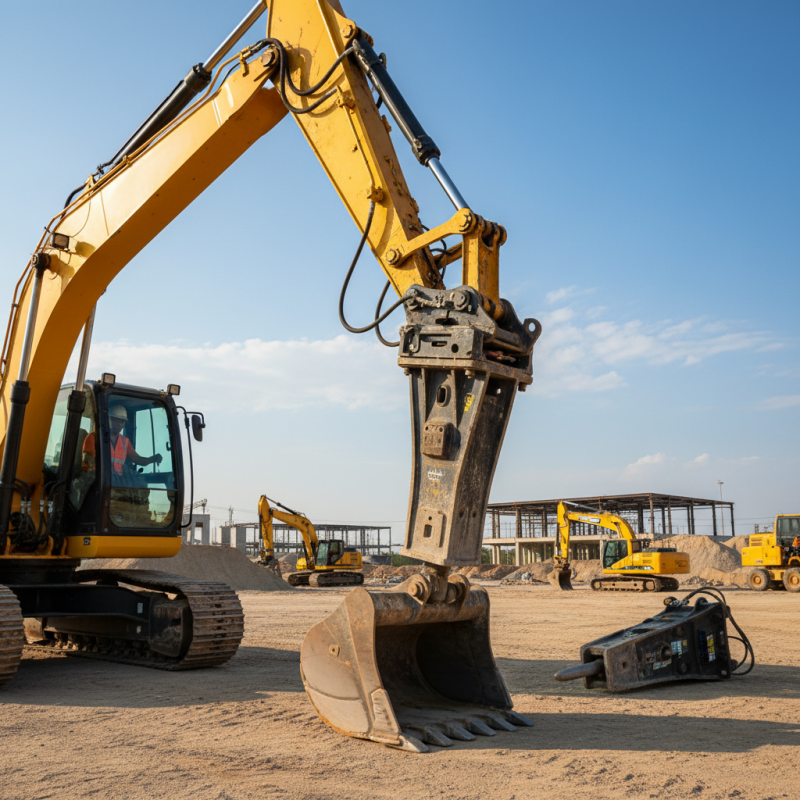
What is Hydraulic Quick Hitch and How Does It Work?
Hydraulic quick hitches are essential for modern construction equipment. They allow operators to switch attachments quickly and efficiently. This efficiency saves time and increases productivity on job sites. Instead of spending long minutes changing tools, operators can complete the task within moments. The hydraulic system enables secure locking and releasing of attachments with a simple button push.
The mechanism works by using hydraulic pressure to engage and disengage the hitch. This process is often accompanied by visual indicators, ensuring that operators can confirm correct attachment. Many users appreciate this feature for its reliability. However, there can be challenges. For example, improper maintenance can lead to leaks or malfunctions. Regular checks are crucial to prevent these issues.
Safety is a significant concern. If a hitch does not operate correctly, it may pose risks. Operators must be trained to handle these systems properly. Awareness of potential failures is essential for safe operations. Ultimately, while hydraulic quick hitches present clear benefits, thoughtful use and thorough understanding are necessary.
Benefits of Using Hydraulic Quick Hitches in Construction
Hydraulic quick hitches have transformed construction processes significantly. These devices allow operators to rapidly change attachments on excavators or loaders. The convenience they provide leads to increased efficiency on job sites. Workers can switch from buckets to grapples in moments, reducing downtime. This flexibility enhances productivity and allows for more complex projects.
Moreover, hydraulic quick hitches improve safety. Traditional hitching methods can be cumbersome and risky. With hydraulic systems, the risk of accidental disconnection is minimized. Operators can complete tasks without exposing themselves to unnecessary hazards. However, it is crucial to follow safety protocols. Regular maintenance is key to avoiding malfunctions or accidents.
While the benefits are clear, some challenges remain. Not all crews are trained to handle these systems effectively. A lack of proper training can lead to misuse. Additionally, not every project requires hydraulic hitches. Sometimes, manual methods may suffice for smaller jobs. Nevertheless, the advantages often outweigh the drawbacks when applied correctly.
Applications of Hydraulic Quick Hitches in Various Industries
Hydraulic quick hitches are becoming essential in various industries. These devices improve efficiency by allowing quick attachment changes on excavation equipment. They are widely used in construction, agriculture, and recycling. By minimizing downtime, they save money and enhance productivity.
In construction, hydraulic quick hitches facilitate quicker transitions between bucket and grapple attachments. Operators can switch tools within moments. This adaptability proves crucial on job sites where tasks frequently change. Agriculture benefits too; farmers can easily equip different implements, like plows or seeders. This versatility is vital during planting or harvesting seasons.
Recycling facilities also embrace hydraulic quick hitches. They enable rapid tool changes for sorting or shredding materials. However, there are concerns. Improper use can lead to safety issues or equipment damage. Operators must be properly trained to minimize risks. This indicates a need for ongoing education in these industries.
What is Hydraulic Quick Hitch Benefits and Applications? - Applications of Hydraulic Quick Hitches in Various Industries
| Industry | Key Benefits | Common Applications |
| Construction | Increased efficiency and reduced downtime | Excavation, Demolition, Material handling |
| Agriculture | Enhanced versatility and ease of use | Plowing, Seeders, Fertilizer spreaders |
| Mining | Improved safety and operator comfort | Material handling, Drilling, Earth moving |
| Forestry | Greater operational flexibility | Log handling, Stump removal, Tree planting |
| Waste Management | Cost-effective and eco-friendly solutions | Debris clearing, Recycling operations, Landfill management |
Safety Considerations When Using Hydraulic Quick Hitches
Hydraulic quick hitches provide an efficient way to switch attachments on heavy machinery. However, safety considerations are critical when using these devices. Reports indicate that improper installation or usage can lead to serious accidents, including equipment damage and injuries. In fact, a safety survey from the International Association of Equipment Managers highlighted that 30% of operators experienced issues related to hitch safety.
One of the key risks with hydraulic quick hitches is the possibility of unintended disconnection during operation. This can occur due to mechanical failure, operator error, or insufficient maintenance. Studies show that regular inspection of hydraulic connections and components reduces these risks significantly. A quarterly inspection schedule can ensure that all parts function as intended, minimizing the likelihood of accidents.
Training is equally important. Many operators lack proper knowledge of how to use hydraulic quick hitches safely. A report by the Occupational Safety and Health Administration (OSHA) found that nearly 40% of machinery accidents were related to inadequate training. Investing in comprehensive training programs could dramatically enhance safety standards on job sites, allowing operators to recognize and prevent potential hazards. Safety is not just about having the right tools; it's also about understanding how to use them effectively.
Maintenance Tips for Hydraulic Quick Hitches to Ensure Longevity
Maintaining hydraulic quick hitches requires attention to detail. Regular inspections are crucial. Check for wear and tear on hydraulic hoses. Look for any signs of leaks. Tighten any loose bolts. These simple steps can prevent bigger problems.
Cleaning is equally important. Dust, dirt, and debris can accumulate and damage the mechanics. Use a soft brush to remove dirt. A simple rinse with water can help. Ensure that all parts are completely dry before reassembling. Moisture can lead to rust, which is detrimental.
Don’t overlook lubrication. Regularly lubricate moving parts. This reduces friction and prolongs life. However, avoid over-lubricating. Excess grease can attract dirt. Keep an eye on the manual for specific lubrication intervals. It may seem tedious but is essential for longevity. Regular maintenance habits can save you time and money in the long run.

