
2026 How to Choose the Best Mig Mag Welder for Your Needs?

Choosing the right Mig Mag Welder is crucial for both professionals and hobbyists. With the global welding equipment market projected to reach $20 billion by 2027, selecting the best welder enhances performance and efficiency. According to industry expert John Smith, "A quality Mig Mag Welder can transform your workflow."

Understanding various models and technologies is essential. Factors like welding speed, wire feed mechanism, and power settings significantly influence your choice. The right equipment can greatly impact both cost and result quality, making this decision pivotal for many welders.

Yet, perfect options do not exist. Some welders struggle with versatility or have a steep learning curve. It's important to reflect on your specific needs and seek expert advice. This careful evaluation ensures that you not only invest in suitable equipment but also maximize your skills with a high-performing Mig Mag Welder.
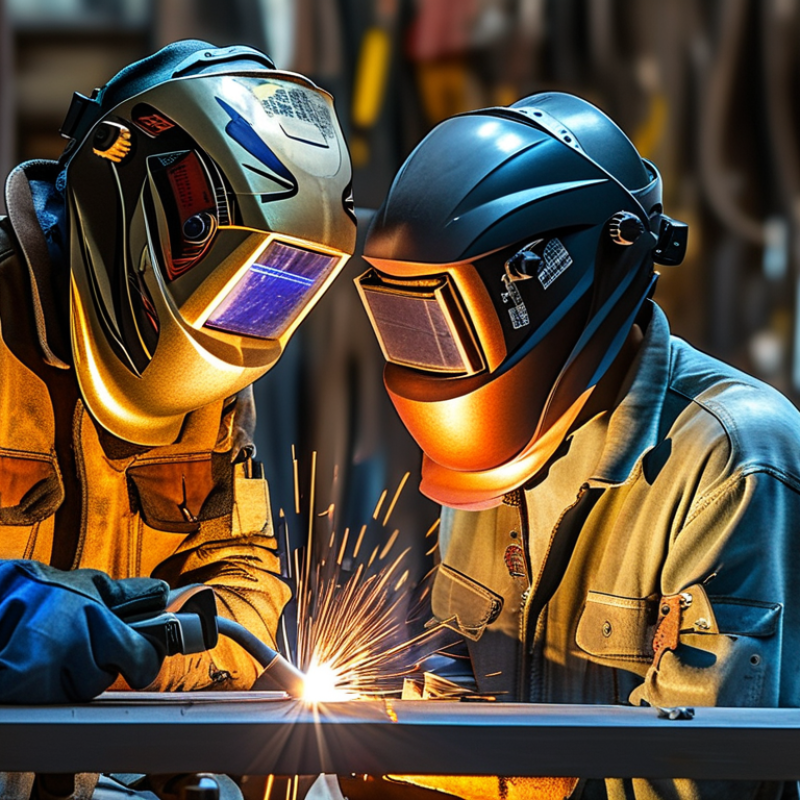
2026 How to Choose the Best Mig Mag Welder for Your Needs?

Understanding MIG and MAG Welding Processes: Key Differences

MIG and MAG welding processes are crucial in metal fabrication. Both methods use a continuous wire feed, but they differ in the type of shielding gas employed. MIG, or Metal Inert Gas welding, typically uses inert gases like argon. This creates a stable arc and is excellent for thin materials. It provides a clean weld with little spatter.

On the other hand, MAG, or Metal Active Gas welding, employs active gases such as CO2. This enhances the heat and penetration, making it suitable for thicker materials. However, the resulting weld may require more cleanup due to increased spatter. Each method has its strengths and weaknesses which impact the chosen application.

Choosing the right welding process relies heavily on specific project requirements. Consider the type of materials you will be working with. The desired aesthetics of the weld also play a significant role. Reflect on your skill level and equipment capabilities. For beginners, MIG may be easier to master, while more experienced welders might prefer MAG for its versatility. Understanding these nuances will guide you in making informed decisions tailored to your needs.

Factors Affecting MIG MAG Welder Selection: Power and Duty Cycle

When selecting a MIG MAG welder, power and duty cycle are critical factors. The power rating affects the welder's ability to join various metal thicknesses. A higher power output is ideal for thicker materials, while lower power is sufficient for thin sheets. Understanding your specific projects can guide you in making this crucial decision.

Duty cycle represents the welder's time of continuous operation before it needs to cool down. For example, a duty cycle of 60% means the welder can operate for six minutes out of ten before requiring a rest. If you're working on larger projects, opt for a machine with a higher duty cycle. This ensures efficiency and minimizes downtime.

Consider these factors carefully. Many users overlook the balance between power and duty cycle, leading to frustration. Choosing a welder with too low a duty cycle can slow down your workflow. It’s also vital to explore your project needs. Evaluate the types of materials you frequently weld and make adjustments to your choice if needed. This approach can help refine your selection process.

Assessing Material Compatibility: Steel, Aluminum, and More

When selecting a MIG/MAG welder, material compatibility is crucial. Different metals require distinct approaches. Steel is often the go-to choice for many projects. It is versatile and relatively easy to weld. On the other hand, aluminum poses challenges. Its thermal conductivity is higher, leading to potential warping if not handled correctly.

When welding aluminum, you need to adjust your technique. Preheating the material can help reduce distortion. Consider using a spool gun for better feeding of the softer wire. This ensures a smooth welding process. For stainless steel, the importance of shielding gas cannot be overstated. This gas prevents oxidation and ensures a clean weld bead.

Understanding these materials sets you up for success. Experimenting with different settings and methods is key for perfecting your skills. Every welder has their learning curve. Embrace the mistakes; they provide valuable lessons. As you gain experience, you will better navigate the complexities of various materials.

Essential Features of MIG MAG Welders: Spool Guns and Gas Options

When selecting MIG MAG welders, gas options and spool guns are critical features to consider. Depending on your welding projects, you may require different gas mixtures. For example, a combination of Argon and CO2 is often used for stainless steel and aluminum. The right gas not only affects the quality of your welds but also how easy it is to control the arc.

Spool guns are essential for accomplishing specific tasks. They simplify the feeding of wires, especially soft aluminum wires, which can be challenging with standard MIG guns. A spool gun typically reduces feed issues and allows for quicker adjustments, crucial for intricate work. Data from the American Welding Society indicate that proper equipment leads to a 30% increase in efficiency for complex applications.

Consider this: if you only occasionally weld thin materials, investing in a high-end gas setup may not be justified. Reflecting on your actual needs can help you choose a suitable machine. Be mindful of the weight and portability of the welder, especially for onsite projects. These factors play an important role in your overall workflow. A well-selected welder can transform the quality of your work and enhance productivity significantly.

Cost Analysis: Balancing Budget and Quality in Welder Selection

When selecting a MIG MAG welder, cost is a critical factor. Finding a balance between budget and quality can be challenging. Not all welders in the market offer the same level of durability or performance. A low-priced option may save money upfront but could lead to more repairs or poor results later. Investing a bit more initially can save you significant costs in the long run.

Understanding your specific needs is essential. Are you a hobbyist or a professional? Each user type has different requirements that impact the cost. For instance, professionals may need features that ensure high precision and efficiency, which could justify a higher price. On the other hand, a hobbyist might not require all the advanced capabilities, meaning they can opt for a more budget-friendly model.

When evaluating options, examine reviews from other users. Real feedback provides insights into performance and reliability. Pay attention to warranties offered by manufacturers. A lengthy warranty can indicate the company's confidence in its product quality. If costs are tight, consider buying used equipment, but do thorough checks before committing. A careful approach can help you find the right balance between budget and desired quality.

Cost Analysis of MIG and MAG Welders

This chart displays a cost analysis comparing various MIG and MAG welding machines based on their features and quality. The data reflects average prices and their respective performance ratings based on user reviews.

Article Source: