What is a High Pressure Electric Ball Valve and How Does It Work?
The High Pressure Electric Ball Valve is a crucial component in various industrial applications. This device offers precise control over fluid flow, making it essential for safety and efficiency. Dr. John Thompson, a leading expert in valve technologies, once stated, "The High Pressure Electric Ball Valve revolutionizes the way we manage fluid dynamics in high-stress environments."
These valves operate using an electric actuator, enabling quick and reliable operation. Their design suits high-pressure systems, allowing them to handle demanding tasks effectively. However, the complexity of these devices means they require careful maintenance and monitoring to ensure optimal performance.
Even with advancements, some challenges remain. Issues such as electrical failure or wear and tear can disrupt service. Understanding these potential pitfalls is essential for anyone working with High Pressure Electric Ball Valves. Ensuring their reliability can significantly impact operational efficiency in critical industries.
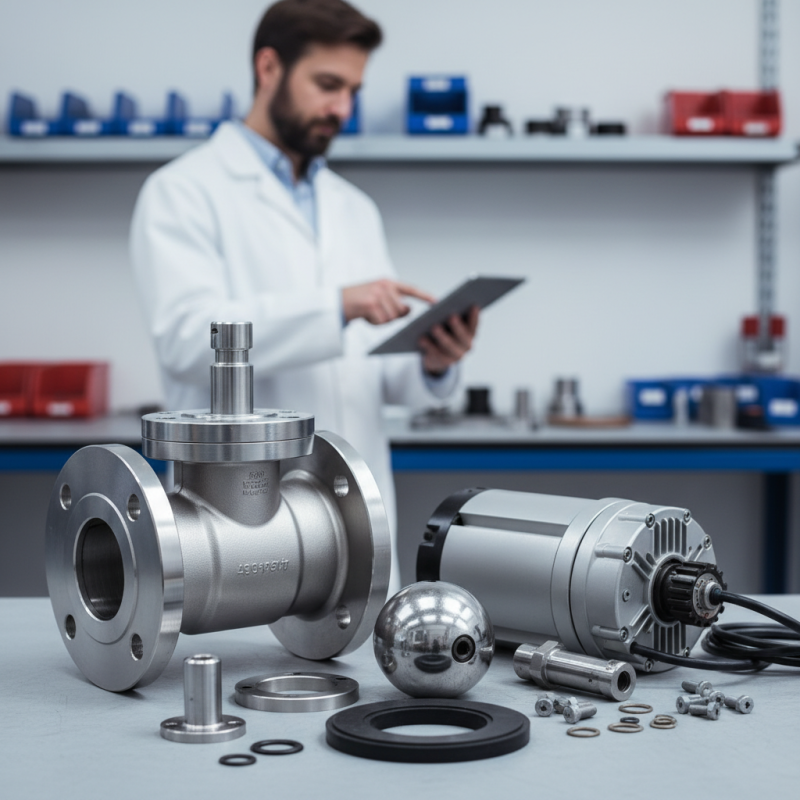
What is a High Pressure Electric Ball Valve?
A high-pressure electric ball valve is an essential component in various industrial applications. These valves allow for the precise control of fluid flow in high-pressure systems. They use a ball mechanism, which rotates to either allow or block the fluid passage, providing a rapid response to operational changes. The electric actuator facilitates remote control, making them ideal for automated processes.
This type of valve is constructed with durable materials to withstand extreme conditions. Stainless steel is commonly used for its corrosion resistance. However, the selection of materials can impact performance and durability. It’s vital to consider the specific environment in which the valve will operate. For high-pressure systems, sealing and integrity are crucial. A failure in these areas can lead to substantial losses.
In practice, maintaining these valves can be challenging. Regular inspections and testing are necessary to ensure they function correctly. Many users underestimate the importance of proper maintenance. A proactive approach can help identify potential issues before they escalate. Using high-pressure electric ball valves requires some expertise to maximize their effectiveness. A deeper understanding of their operation and maintenance needs can lead to better reliability in applications.
Key Components of High Pressure Electric Ball Valves
High pressure electric ball valves are crucial for managing flow and pressure in various industrial applications. Understanding their key components helps ensure proper functionality. Typically, these valves consist of a ball, a seat, an actuator, and a body. The ball is a hollow sphere with a hole, allowing fluid to flow through. The seat seals the valve when closed, maintaining pressure.
The actuator drives the valve, often equipped with electric motors for precise control. Effective performance relies on the actuator's design, which must withstand high pressure conditions. A study indicates that well-designed electric actuators enhance reliability by up to 30%, reducing maintenance costs significantly.
Tips: Regularly check the actuator for any signs of wear. Timely maintenance can extend the valve's lifespan. Additionally, understanding the pressure ratings is essential. Operating beyond recommended limits can cause failures.
Another critical component is the valve body, usually made of durable materials. Commonly used materials include stainless steel and PVC. Each material has its advantages, but it's essential to choose the one that matches your operating conditions. For instance, stainless steel offers excellent pressure resistance but can be costly. In contrast, PVC is lightweight and economical but may not handle extreme temperatures.
Working Principle of High Pressure Electric Ball Valves
High Pressure Electric Ball Valves are crucial components in many systems. These valves control the flow of liquids and gases under high pressure. Their working principle is based on a spherical disk that can rotate within a valve body. When the disk aligns with the flow path, the valve is open. When it turns 90 degrees, it closes. This simple action allows for efficient control.
The design of high-pressure electric ball valves often features durable materials. Stainless steel and reinforced plastics are commonly used because they withstand extreme conditions. According to industry reports, electric ball valves can operate at pressures exceeding 600 psi. This capability makes them ideal for various applications, including oil and gas, water treatment, and chemical processing.
Tips: Regular maintenance is essential for optimal performance. Inspect seals and electrical connections frequently. Small issues can lead to significant downtime if not addressed. Additionally, consider the flow rate capacity of the valve to avoid potential bottlenecks in the system. Always consult technical resources for guidance on installation and operation. Understanding the specifications before purchasing guarantees reliability and efficiency in expected applications.
Applications in Industries Using High Pressure Electric Ball Valves
High pressure electric ball valves are essential in many industries. They provide precise control over fluid flow within a system. These valves are often used in oil and gas, chemical processing, and power generation. Their ability to withstand extreme pressures makes them reliable for critical applications.
In the oil and gas sector, high pressure electric ball valves manage the flow of hydrocarbons. They help control extraction processes and ensure safety. In chemical plants, they regulate various fluids and gases used in production. The valves enable accurate measurements and maintain required temperatures and pressures.
However, issues can arise. Users need to ensure proper installation and maintenance. An improperly calibrated valve can lead to leaks or failures. This demands continuous monitoring and assessment. Overall, while high pressure electric ball valves are highly efficient, care is needed for optimal operation.
Advantages of High Pressure Electric Ball Valves Over Traditional Valves
High pressure electric ball valves offer significant advantages over traditional valves. These modern valves provide enhanced control and precision, making them ideal for critical applications. In industries such as oil and gas, the efficiency of operations can rise by up to 15% with these valves, according to a recent industry report.
Their electronic actuation allows for rapid response times. This efficiency leads to reduced energy consumption, contributing to sustainability goals. A study indicated that electric valves can minimize energy usage by as much as 30% compared to pneumatic options. This is a notable benefit for companies aiming to lower their operational costs.
**Tip:** Consider the long-term savings electric ball valves can provide. While the initial investment may be higher, the reduced maintenance and operational costs can lead to significant perks over time.
Another benefit includes the reduced risk of leakage. Traditional valves may suffer from wear and tear, leading to failures. Electric ball valves maintain tight seals throughout their lifecycle. This durability is crucial in high-pressure environments where safety is paramount. It's essential, however, to assess compatibility with existing systems. Some installations might require modifications, which can lead to additional costs.
**Tip:** Regularly evaluate your valve technology. Adapting to electric systems can yield better performance and reliability.
Comparison of High Pressure Electric Ball Valves and Traditional Valves
This chart illustrates the advantages of high pressure electric ball valves over traditional valves. It compares key performance metrics including response time, maintenance frequency, and energy efficiency.

