A Construction Equipment Battery must do more than start an engine in a showroom. It has to deliver dependable power through cold mornings, long shifts, vibration, dust, and repeated stops. A battery that fits the tray may still be wrong for the machine. Voltage, capacity, terminal layout, and starting performance all matter. So does compatibility with the equipment’s charging system.
The best choice begins with the machine’s specifications, not a guess based on size or price. Check the operator’s manual and the existing battery label before comparing options. Then consider how the equipment is used. A loader that starts often on a cold site may need different support from a generator running steadily indoors. Details count.
These seven tips offer a practical way to assess battery options, from fit and power requirements to maintenance and service life. They also explain which questions to ask a supplier and what to verify before installation. No single battery suits every machine. Even experienced operators can overlook a small difference in terminal position or reserve capacity. That happens.
Use the guidance as a starting point, and confirm key specifications with the equipment manufacturer or a qualified battery professional. A careful check can prevent avoidable downtime and help protect the machine’s electrical system. The right battery is not always the most expensive one. It is the one that reliably meets the machine’s demands in real working conditions.
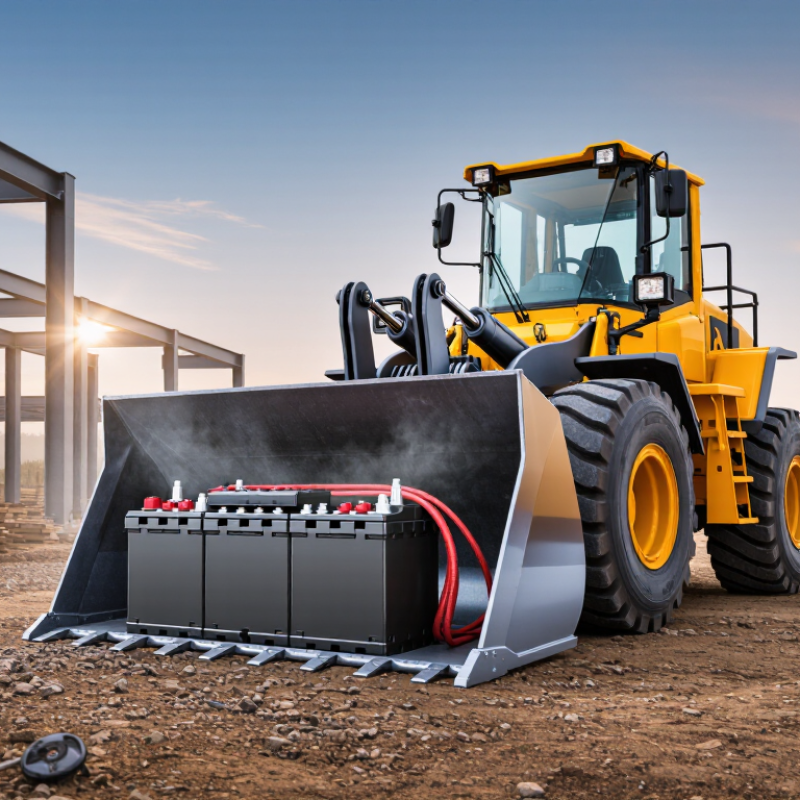
Before choosing a construction equipment battery, confirm the machine’s system voltage in its service manual or wiring diagram. The existing battery label can help, but it may be faded or incorrect after earlier repairs. A 12-volt battery is not a safe substitute for a 24-volt system, even if the terminals appear to fit. Check polarity and connector size as well. Small details matter.
Tip: Match more than voltage. Check the required cold-cranking amps, amp-hour capacity, and reserve capacity against the equipment specifications. Starting demand can rise in cold weather, while lights, cab controls, and telematics draw power during operation. A battery with too little capacity may struggle during repeated starts. More capacity is not automatically better; fit and charging-system requirements still matter.
Tip: Before ordering, compare the battery dimensions and terminal arrangement with the equipment requirements. If the manual lists different ratings for standard and severe-duty use, choose the option suited to actual working conditions. Record the old battery’s voltage and ratings, then verify them independently; labels can be misleading. This check takes only a few minutes. It is still easy to miss a detail when equipment is down and a replacement feels urgent.
Construction sites expose batteries to vibration, dust, temperature swings, and irregular charging. Chemistry should match the machine’s actual work pattern, not just its nameplate capacity. Lead-acid batteries are often practical for predictable shifts and established charging routines. Flooded designs need maintenance and suitable ventilation, while sealed designs reduce routine checks but still require compatible charging. Check the equipment manual before choosing. A battery that fits the tray may still be unsuitable electrically.
Lithium-ion batteries can offer lower weight and strong performance during frequent cycling, but they need a compatible battery management system and charger. Cold weather matters: some lithium-ion batteries must not be charged below specified temperatures. Check the product’s operating limits, not a general rule of thumb. For machines parked outdoors overnight, ask how the battery handles both cold starts and cold charging. Heat and vibration can also shorten service life, whatever the chemistry. It is easy to focus on runtime and overlook these conditions. That can be an expensive guess. Compare duty cycle, charging access, maintenance capacity, and temperature range together. If site conditions vary, record them for a week before deciding; the first estimate may be wrong.
Temperature limits can affect both battery performance and safe charging. This chart shows representative operating ranges; actual limits vary by battery design and manufacturer. Check the product specifications, especially before charging in cold conditions.
For equipment working in freezing conditions, confirm the battery’s charging limits as well as its discharge range. In hot or dusty environments, also consider enclosure protection, ventilation, and maintenance requirements.
A construction battery must do more than fit its tray. Compare capacity, cranking power, and reserve performance against the machine’s manual and working conditions. Capacity, measured in amp-hours, indicates how much stored energy is available over time. It matters when accessories draw power during long shifts. A larger number is not automatically better; the battery must also fit the charging system and compartment.
Tips: Check the required cranking rating, especially if the machine starts in cold weather. Cranking power supports engine starts, while reserve capacity indicates how long the battery can supply power if charging is interrupted. Compare ratings using the same test standard where possible. Numbers from different standards may not be directly comparable. Read the fine print.
Consider the workday, not just the specification sheet. A loader that starts repeatedly may need dependable cranking performance, while a machine running lights or controls during idle periods benefits from useful reserve capacity. Note temperature, shift length, and accessory use before comparing options. Also inspect terminal layout and hold-down fit; a strong battery can still be a poor choice if installation is insecure. It is easy to focus on one impressive rating and overlook the rest. That happens. Recheck the equipment requirements before buying.
Choosing a construction equipment battery starts with the tray, not the amp-hour rating. Measure its length, width, and height, including any raised edges. BCI’s Battery Replacement Data Book lists group dimensions and terminal arrangements; a Group 31 battery is roughly 13 × 6.8 × 9.4 inches. Actual cases can vary, so treat that figure as a check, not a guarantee. A tape measure can miss a bent tray lip.
Tips: Compare the battery’s group size with the equipment manual, then check the terminal layout from the same viewing angle shown in the diagram. Confirm positive and negative posts match the cable reach, without stretching or crossing cables. Check hold-down locations, clamp clearance, and space for the terminal covers. Not close enough.
Construction machines face vibration and rough ground. SAE J537 includes vibration testing for storage batteries, but a tested battery can still be poorly secured in the wrong tray. Before installation, inspect the tray for rust, debris, and damaged clamps. Leave enough room to remove the battery later. Recheck the measurements; even careful checks can overlook a few millimeters.
A construction battery works in dust, vibration, and uneven temperatures. Check its cycle-life rating and operating-temperature range against the machine’s actual shifts. A rating alone is not enough; repeated deep discharges or long periods at low charge can shorten service life. I still find charging access easy to underestimate. A battery that meets the duty cycle on paper may struggle when equipment runs two shifts and has only brief breaks.
Charging needs deserve close attention. Confirm the charger matches the battery chemistry, voltage, and charging limits, then estimate how long a real recharge takes. NREL’s 2024 Annual Technology Baseline uses about 85% round-trip efficiency for utility-scale lithium-ion storage. That is not a construction-machine specification, but it illustrates why charging losses matter. Leave a practical margin. Cold mornings and high accessory loads can change the plan.
Maintenance depends on chemistry and site conditions. Flooded lead-acid batteries need electrolyte checks and clean, secure terminals; sealed types reduce routine checks but still need inspection. The U.S. EPA reports that about 99% of lead-acid batteries are recycled in the United States. That figure supports planning for responsible replacement, not ignoring upkeep. A dusty connector can still cause trouble. Keep a simple log of charge time, temperature, and unexpected downtime; the pattern may reveal a mismatch before the next shift is affected.