How to Choose the Right Aluminum Welding Electrode for Your Project?
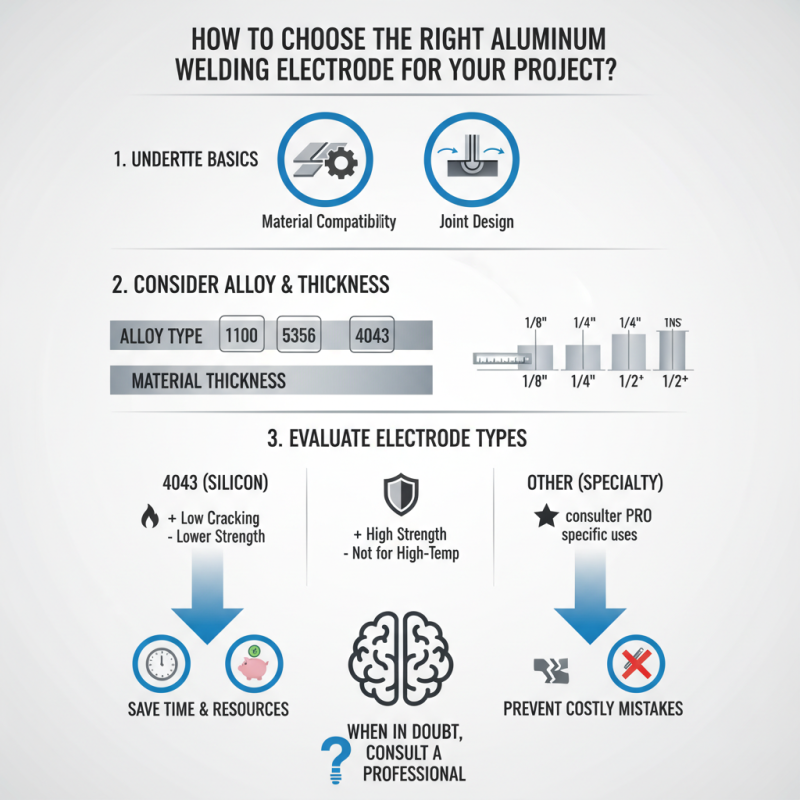
Choosing the right Aluminum Welding Electrode is crucial for successful metal fabrication. The electrode affects the quality of the weld, impacting strength and durability. Different projects may require different types of electrodes based on alloy content and thickness. This choice can be overwhelming, given the variety available in the market.
Understanding the specifications of Aluminum Welding Electrodes is essential. Factors like material compatibility and joint design should be considered. Each electrode type has its advantages and drawbacks. A beginner may struggle to determine which electrode fits their needs. When in doubt, consulting with a professional can provide clarity.
Ultimately, taking the time to select the appropriate Aluminum Welding Electrode can save resources and time. It can prevent costly mistakes down the line. Mistakes happen, but learning from them is key. Make informed choices, and your welding projects will benefit immensely.
Understanding the Basics of Aluminum Welding Electrodes
When it comes to aluminum welding, understanding the basics of electrodes is crucial. Aluminum welding electrodes vary in type and composition, influencing the effectiveness of your weld. The two most common types are ER4047 and ER5356. Each has its characteristics and suitable applications. ER4047 contains a higher silicon content, making it great for filling. ER5356, on the other hand, is stronger and more versatile for structural projects.
Choosing the right electrode involves consideration of the project and the type of aluminum. You need to think about factors such as the thickness of the material and the intended use of the weld. For thicker materials, a heavier gauge electrode can provide better penetration. Remember, choosing incorrectly can lead to weak joints and potential project failure.
Tips: Always clean the aluminum surface before welding. Use a wire brush or grinder to remove oxide layers. Ensure your welding machine is calibrated for AC current, especially for aluminum. Don't forget to practice on scrap material. This will help you get a feel for the electrode and the machine. تجاربك قد تكون مفيدة. Every welder’s touch is unique, and learning from mistakes is part of the journey.
Types of Aluminum Welding Electrodes and Their Applications
When selecting aluminum welding electrodes, understanding their types is crucial. Common types include ER4047, ER5356, and ER4045. Each has specific applications based on its chemical composition and physical properties. For example, ER4047 is known for its excellent fluidity. It's often used in automotive applications, particularly for repair jobs. This electrode is a popular choice due to its higher silicon content, providing a smooth, glossy finish.
Another commonly used electrode is ER5356. This one boasts higher strength. It is ideal for welding aluminum to magnesium alloys. According to the American Welding Society, this electrode type is frequently utilized in shipbuilding and aerospace industries. Its ability to resist corrosion makes it reliable for marine applications. However, it can be challenging to work with, especially for novice welders.
ER4045 combines properties of the previous two. This electrode is often used for welding thin sheets. It provides good weld puddle control, but it may not be the best choice for high-stress applications. The selection of an aluminum welding electrode demands attention to the specific needs of your project. The right choice can enhance the quality and durability of your welds. Understanding the unique characteristics of each electrode type prepares you for better welding outcomes.
Factors to Consider When Choosing Aluminum Welding Electrodes
Choosing the right aluminum welding electrode can significantly affect your project. Several factors contribute to this decision. Understanding the type of aluminum you're working with is crucial. Different alloys require specific electrodes. For instance, 4047 and 5356 are common choices for various applications. Each offers unique characteristics that influence the welding process.
Another vital consideration is the welding technique you plan to use. TIG welding often pairs well with ER4047, providing a clean finish. MIG welding can utilize ER5356 for better strength in structural applications. Pay attention to the diameter of the electrode as well. A larger diameter can deposit metal faster but may require more skill to handle.
It's also essential to evaluate the environment where you’ll be welding. Factors like temperature and humidity can impact the effectiveness of the electrodes. Additionally, ensure you have the right equipment to complement your choice. Some may struggle with stubbing or contamination, leading to unexpected issues. Reflect on past projects to identify what worked and what didn’t. Learning from mistakes will enhance your selection process.
How Welding Current and Technique Affect Electrode Selection
Choosing the right aluminum welding electrode involves understanding how welding current and technique impact your selection. Welding current affects the heat input, which in turn influences the penetration and fusion quality. Higher currents can increase weld puddle fluidity, while lower currents allow for more control during delicate projects. Matching the right electrode with the appropriate current setting ensures optimal results.
Tips: Consider your project’s thickness. For thin aluminum, use a lower current and a smaller electrode diameter. This prevents burn-through and improves accuracy. Conversely, for thicker materials, a higher current may be necessary, but make sure to adjust your technique accordingly.
Technique also plays a key role. The angle and speed of the torch can change the way the electrode performs. A steady hand and precise movements contribute to a clean weld. If you find that your welds are inconsistent or porous, experiment with different torch angles or adjust your travel speed. Reflect on your technique to identify areas for improvement.
Tips: Stay mindful of your electrode type. Some electrodes work better in specific positions or with certain alloys. Take notes during practice sessions to refine your skills and adapt to various materials. With experience, you will learn which combinations yield the best results for your projects.
How to Choose the Right Aluminum Welding Electrode for Your Project?
| Electrode Type | Welding Current (A) | Technique | Applications | Material Thickness (mm) |
| ER4047 | 70-90 | Short circuit | General fabrication | 1.5 - 3.0 |
| ER5356 | 100-140 | TIG welding | Marine applications | 3.0 - 6.0 |
| ER4045 | 80-100 | Dip transfer | Automotive repairs | 1.5 - 2.5 |
| ER316L | 110-150 | Spray transfer | Food and chemical industries | 3.0 - 10.0 |
Tips for Proper Handling and Storage of Aluminum Welding Electrodes
Handling and storing aluminum welding electrodes properly is crucial for maintaining their performance. One common mistake is exposing electrodes to moisture or contaminants. Humidity can cause oxidation, which affects welding quality. Always store your electrodes in a dry and clean environment. A sealed container can provide protection against moisture.
Temperature fluctuations can also harm electrodes. High heat may lead to warping, while extreme cold can cause brittleness. Aim for a stable temperature that is neither too hot nor too cold. A dedicated storage area, away from direct sunlight and high humidity, is ideal.
Remember, checking the expiration date is important. Even quality electrodes can degrade over time. Inspect your electrodes regularly for signs of damage or contamination. Taking these precautions ensures your welding projects proceed smoothly. It may seem minor, but proper handling cannot be overstated. Mistakes in storage can lead to costly delays and unsatisfactory results.

