Why Choose Roots Vacuum Pump for Your Industrial Needs?
In the industrial sector, efficiency and reliability are paramount. The usage of Roots Vacuum Pumps has surged, supported by a report from the Vacuum Technology Association indicating a 25% increase in demand over the past five years. These pumps offer superior performance in applications such as packaging, food processing, and semiconductor manufacturing.
Expert Karl Becker, a respected figure in vacuum technology, states, "The Roots Vacuum Pump is critical for maintaining optimal conditions in high-demand environments." This underscores the pump's role in facilitating high vacuum levels and quick evacuation times. Industries are witnessing the benefits of these pumps in reducing operational costs and improving overall product quality.
Despite their advantages, some businesses struggle to select the right specifications for their needs. Misunderstanding requirements and pump capacities can lead to inefficiencies. It's essential to assess both the applications and the environment to maximize the benefits offered by Roots Vacuum Pumps.
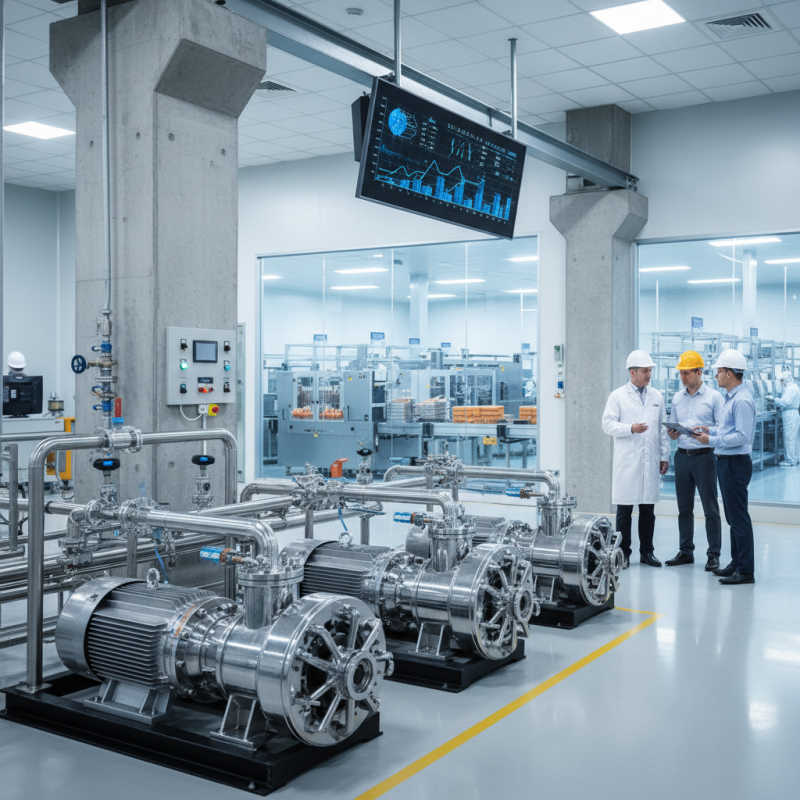
Benefits of Using Roots Vacuum Pumps in Industrial Applications
Roots vacuum pumps are gaining traction in various industrial applications due to their efficient performance. These pumps excel in providing high pumping speeds and reliable vacuum levels. According to the Global Vacuum Pump Market Report, the demand for vacuum pumps is expected to grow by 5.2% annually until 2028. This growth indicates a rising trust in equipment that offers enhanced operational efficiency.
One of the primary benefits of Roots vacuum pumps is their ability to operate in a wide range of conditions. They can handle gases, vapors, and moisture without affecting performance. This versatility is crucial for industries such as food processing, pharmaceuticals, and chemical manufacturing. Data from industry standards suggest that the efficiency of Roots pumps can lead to energy savings up to 30% compared to traditional models. Users often report reduced maintenance costs due to the robust design of these pumps.
Furthermore, the low noise and vibration levels of Roots vacuum pumps create a better working environment. However, not every application may find them suitable. In scenarios where absolute vacuum is required, other types of pumps might be necessary. Nonetheless, for many industries, the advantages of using Roots vacuum pumps far outweigh these limitations. Their straightforward operation and reliability promote a more productive overall workflow.
Technical Specifications of Roots Vacuum Pumps and Their Performance Metrics
Roots vacuum pumps are designed for efficiency and reliability in industrial applications. Their unique construction allows for high-volume gas flow with minimal energy loss. Typically, these pumps operate through the positive displacement mechanism, which means they effectively move air and gas without creating a pressure drop. This feature is critical for processes that require consistent vacuum levels.
The technical specifications of Roots vacuum pumps often highlight their robust materials and design. These pumps can maintain operational efficiency under varying temperatures and pressures. Performance metrics often include displacement rates ranging from a few cubic meters per hour to several hundred. This adaptability makes them suitable for a range of industrial needs, from food processing to semiconductor manufacturing.
Despite their advantages, regular maintenance is crucial. Wear and tear can affect performance over time, and this oversight can lead to inefficiencies. Operators must understand this aspect to ensure long-lasting reliability. Not all applications may suit the characteristics of Roots pumps perfectly. Each scenario may present unique challenges requiring careful assessment. This complexity emphasizes the importance of evaluating specific operational needs before selection.
Comparison of Roots Vacuum Pumps with Other Vacuum Technologies
When considering vacuum technology, Roots vacuum pumps stand out for specific industrial applications. They use a positive displacement mechanism, allowing for high pumping speeds at low pressures. This is a vital feature in processes requiring quick evacuation of gases. Other technologies, like rotary vane pumps, may struggle at low pressures, making Roots pumps a more reliable choice.
While Roots pumps excel in speed, they might not offer the same ultimate vacuum levels as some alternatives, such as diffusion pumps. It’s essential to evaluate your specific requirements. If your process tolerates a slightly higher pressure, Roots pumps can be more efficient. They also might require more maintenance than others, which is something to consider.
Tips for decision-making: Always assess the vacuum level your application demands. Also, consider your maintenance capabilities and budget. Understanding the specifics of your operation will help you choose the right pump. Make comparisons, but focus on how each pump’s characteristics align with your needs, ensuring you make the most informed decision.
Comparison of Roots Vacuum Pumps with Other Vacuum Technologies
Industry-Specific Applications for Roots Vacuum Pumps and Their Efficiency
Roots vacuum pumps have become essential in various industries due to their efficiency and reliability. These pumps excel in handling large volumes of gas at relatively low pressures. In the semiconductor industry, for instance, vacuum systems using Roots pumps ensure precision in fabrication processes. Data from the Semiconductor Industry Association indicates that optimized vacuum systems can improve yield rates by up to 20%.
In the food processing sector, Roots vacuum pumps are vital for packaging applications. They help evacuate air from pouches, which extends shelf life. Reports suggest that vacuum sealing can reduce spoilage by 30%. However, the performance of these pumps can sometimes fluctuate, leading to unexpected maintenance needs. Operators need to routinely monitor the systems to avoid disruptions.
Chemical processing is another arena where Roots pumps show their worth. They create necessary vacuum conditions for distillation and evaporation processes. Research illustrates that employing such pumps can enhance energy efficiency by approximately 15%. Yet, optimizing their operation requires skilled personnel familiar with the specific demands of the applications. Regular training can reduce errors and improve overall performance in these critical environments.
Why Choose Roots Vacuum Pump for Your Industrial Needs?
| Application | Efficiency (%) | Operational Pressure (mbar) | Flow Rate (m³/h) |
| Food Packaging | 95 | 1 | 150 |
| Pharmaceutical Production | 97 | 0.5 | 120 |
| Chemical Processing | 90 | 2 | 200 |
| Semiconductor Manufacturing | 98 | 0.1 | 80 |
| Vacuum Drying | 92 | 1.5 | 170 |
Long-Term Cost Savings and Maintenance Considerations for Roots Pumps
When considering industrial vacuum solutions, the choice of pump can greatly impact long-term operational costs. Roots vacuum pumps are notable for their robust design and efficient performance. They have fewer moving parts compared to traditional pumps. This simplicity often leads to reduced maintenance needs over their service life.
Regular maintenance is essential, even for reliable pumps. Routine checks can prevent unexpected downtime. Parts can wear out and efficiency may decline if not properly serviced. Keeping an eye on performance metrics can help detect issues early. Maintenance will require minimal time and effort when planned carefully.
Cost savings over time can be significant. With a durable design, these pumps can operate efficiently for years. Replacement components are often less expensive than those for more complex systems. Choosing a Roots pump can mean fewer disruptions and lower long-term costs. However, businesses should evaluate their specific needs before making a decision. Not all applications are the same, and careful consideration is important.

