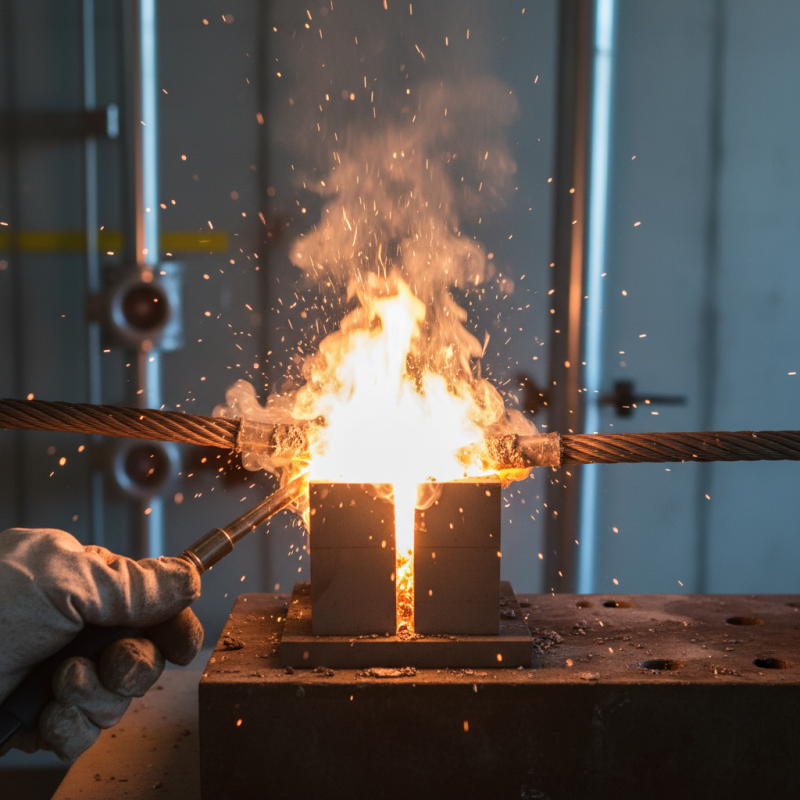
Why Choose Exothermic Welding for Effective Connections?
Exothermic Welding has emerged as a reliable solution for creating strong electrical connections. This innovative method involves a chemical reaction that produces intense heat. This heat melts the metal and forges a connection that is both durable and effective.
The process is not without its challenges. Proper training is essential to ensure safety and effectiveness. Technicians must understand the materials and environment in which they work. Poor execution can lead to weak bonds, undermining the advantages of Exothermic Welding.
Despite these potential pitfalls, the benefits are compelling. Exothermic Welding provides a permanent connection that resists corrosion. This reliability makes it ideal for critical applications. As industries seek efficient and lasting connections, Exothermic Welding stands out as a preferred choice. It's essential to weigh the pros and cons carefully before adopting this method.
Benefits of Exothermic Welding in Electrical Connections
Exothermic welding, often called thermite welding, offers significant advantages for electrical connections. This method creates molecular bonds by using intense heat generated from a chemical reaction. The result? Highly durable connections that resist corrosion and mechanical stress.
One key benefit is its simplicity. No external power source is needed. The process needs only a few materials: a welding powder and a mold. This makes it suitable for remote locations. However, proper training is crucial. Missteps can lead to poor connections, which might compromise safety.
Another notable advantage is the consistent quality of welds. The strong bonds formed can handle extreme temperatures and harsh environments. This resilience is vital for power transmission systems and other critical applications. Yet, it’s essential to assess the specific needs of each project. Not every situation may call for exothermic welding. Discerning when to use this method will ensure optimal results.
Understanding the Chemical Reaction in Exothermic Welding
Exothermic welding, often called thermite welding, involves a fascinating chemical reaction. When metals like aluminum and iron oxide are combined, they create intense heat. This heat exceeds 2500 degrees Celsius. Such high temperatures ensure that metals fuse seamlessly, creating lasting connections.
The reaction is straightforward yet powerful. Aluminum acts as a reducing agent, while iron oxide serves as the oxidizer. When these components interact, molten iron forms, filling any gaps in connections. The resulting joint is not only strong but also resistant to various environmental factors. This resistance can be critical in applications exposed to harsh conditions.
However, there are complexities to consider. The process requires careful handling of materials. Improper mixing can lead to inconsistent results. Additionally, the high temperatures pose risks; safety precautions are essential. A knowledgeable technician can greatly influence the outcome. Each weld teaches something valuable about the materials and techniques involved. The science of exothermic welding showcases the beauty in chemistry while emphasizing the need for expertise in practical applications.
Comparing Exothermic Welding with Traditional Connection Methods
Exothermic welding stands out among traditional connection methods for its unique advantages. While traditional methods often require intricate machinery and multiple components, exothermic welding simplifies the process. It uses a chemical reaction to generate heat, allowing metal components to fuse without additional power sources. This approach is not only efficient but also reduces the risk of equipment failure.
One common drawback of traditional welding is the potential for weak joints. Mechanical fasteners can loosen over time due to environmental factors. In contrast, exothermic welding creates a molecular bond that is typically stronger and more resistant to environmental stress. However, it is crucial to ensure that the surfaces being welded are clean and free from contaminants, as this can impact joint integrity.
Despite its advantages, exothermic welding requires proper training and safety precautions. Inexperienced operators may not mix the components correctly, leading to poor connections. As with any technique, there is room for improvement and learning. Continuous education on the application of exothermic welding can enhance its effectiveness and reliability in various projects.
Why Choose Exothermic Welding for Effective Connections?
| Criteria | Exothermic Welding | Traditional Welding |
| Connection Strength | High, with excellent conductivity | Variable, often dependent on skill |
| Installation Time | Rapid, typically less than 5 minutes | Longer, can exceed 30 minutes |
| Environmental Impact | Minimal, no harmful emissions | Higher, can produce fumes |
| Material Compatibility | Various metals can be used | Limited to similar metals |
| Safety | Lower risk with proper precautions | Higher risk if not conducted carefully |
| Cost Effectiveness | Cost-efficient due to quick installation | Can be more expensive per connection |
Applications of Exothermic Welding in Various Industries
Exothermic welding, also known as thermite welding, has become increasingly popular across various industries. Its applications span from electrical connections to metal fabrication. In the electrical sector, for instance, exothermic welding is essential for making robust connections in high-voltage environments. This method is known to provide a connection with a strength that can endure more than 600% the current it carries. According to a report by Grand View Research, the global market for exothermic welding is expected to reach $2 billion by 2027, highlighting its growing significance.
In the construction industry, exothermic welding is invaluable for joining steel rebar. This technique eliminates the need for bulky clamps or bolts, resulting in a faster and more efficient process. Construction professionals report a 40% reduction in labor time compared to traditional welding methods. However, challenges still exist. Quality control can vary between different environments and conditions, which may affect the integrity of the weld. Moreover, training workers to execute exothermic welding safely and effectively remains a key concern.
Transport infrastructure, such as railways and bridges, also benefits from exothermic welding. Rail systems require durable and corrosion-resistant joints for longevity and safety. A study revealed that exothermic welding joints can last over 30 years when properly executed. Yet, the need for consistent maintenance and reevaluation of safety standards is crucial. Despite its benefits, organizations must remain vigilant and continue to refine their practices to ensure optimal results.
Safety Considerations and Best Practices for Exothermic Welding
Exothermic welding, a favored method for creating durable connections, comes with its own safety considerations. The process involves intense heat and molten metal, which can pose hazards if not managed properly. Personal protective equipment (PPE) is crucial. Safety glasses, gloves, and protective clothing should always be worn. Additionally, ensuring that the work area is well-ventilated helps minimize exposure to harmful fumes.
During the setup, proper distance from flammable materials is essential. Exothermic welding requires space and caution to prevent unintended fires. Operators should regularly inspect their equipment. A worn or damaged tool can lead to unexpected failures, creating risks. Training is vital. Workers should understand the equipment and potential hazards. An organized workspace further promotes safety, reducing clutter can help avoid accidents. These best practices enhance both safety and efficiency in exothermic welding operations, but even experienced professionals must remain vigilant. Familiarity can sometimes lead to complacency, which is counterproductive in a high-risk environment. Always reevaluate and adjust safety measures when needed.
Why Choose Exothermic Welding for Effective Connections?