Essential Butterfly Valve Maintenance Tips for Buyers?
In the realm of industrial flow control, proper Butterfly Valve Maintenance is crucial. According to John Smith, a noted valve maintenance expert, "Regular maintenance can significantly reduce operational costs and improve efficiency." His words emphasize the importance of staying proactive in valve care.
Butterfly valves play a vital role in various applications. Neglecting their upkeep can lead to severe issues, including leaks and inefficiency. Buyers need to understand that maintenance involves not only cleaning but also inspecting components regularly. Each butterfly valve is unique, so a one-size-fits-all approach may not work.
Emphasizing details during maintenance checks can lead to better performance. Simple actions, like lubricating moving parts and checking seals, can make a difference. Remember, even minor oversights can lead to major failures. Buyers must acknowledge that investing time in Butterfly Valve Maintenance today can enhance longevity and save money tomorrow.
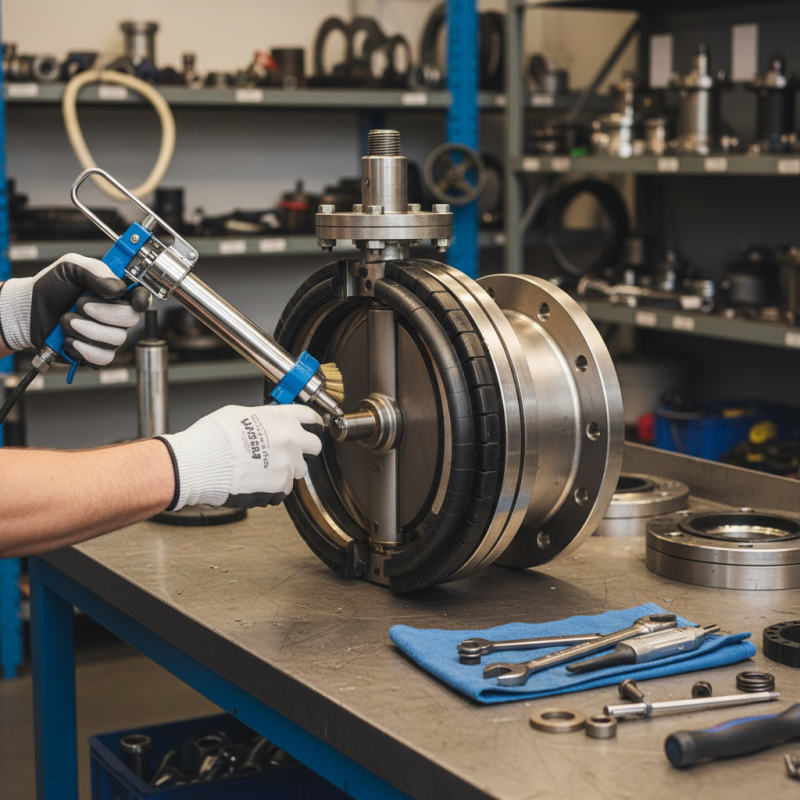
Essential Inspection Procedures for Butterfly Valves Maintenance
When maintaining butterfly valves, thorough inspection is crucial. Regular checks can help detect issues early. Start by examining the valve body for any signs of corrosion or damage. Visual inspections should include looking for cracks, leaks, or abnormal wear. Take note of these findings.
Another important procedure is to inspect the seat and disc of the valve. Ensure that the surfaces are free from debris and buildup. If you notice uneven contact between the disc and seat, this could indicate misalignment or wear. This might lead to poor sealing and system inefficiencies. Keep a detailed log of your observations. This record can help identify patterns over time.
Additionally, consider the actuator's performance. Listen for unusual noises during operation. Vibration can often signify underlying issues. Regularly check the alignment of the actuator to the valve shaft. Misalignment can strain components. These inspections can prevent more significant failures down the line. Reflect on how often these checks are done and make adjustments to your maintenance schedule if necessary.
Essential Butterfly Valve Maintenance Tips for Buyers
| Maintenance Tip | Description | Frequency | Tools Required |
| Visual Inspection | Check for external damage, corrosion, and leaks. | Monthly | None |
| Seal Inspection | Examine valve seals for wear and tear. | Quarterly | Screwdriver, Lubricant |
| Lubrication | Apply lubricant to moving parts to ensure smooth operation. | Semi-annually | Lubricant, Cloth |
| Functionality Test | Test the valve operation to ensure it opens and closes correctly. | Annually | None |
| Replacement of Worn Parts | Replace seals and other components that show significant wear. | As needed | Basic Hand Tools |
Understanding the Importance of Butterfly Valve Seat Integrity
The integrity of the butterfly valve seat is crucial in any industrial application. A well-maintained seat ensures proper sealing and minimizes leaks. According to industry studies, approximately 25% of valve failures are linked to seat wear and degradation. This highlights the importance of regular inspections and prompt replacements when necessary.
Leakage from an improperly seated valve can lead to process disruptions. These disruptions often result in increased operational costs and potential safety hazards. For instance, a report by the American Society of Mechanical Engineers (ASME) revealed that leakage events could cost facilities up to $150,000 annually per valve.
Regular maintenance routines should include visual inspections and testing for functionality. Vibration analysis and seat material assessments offer deeper insights into seat health. It is essential to establish a schedule for such evaluations. However, many facilities struggle with inconsistent maintenance practices. This inconsistency can result in unforeseen failures. Establishing stricter protocols and enhancing training programs may help address these challenges effectively.
Essential Butterfly Valve Maintenance Tips
The chart above illustrates the monthly maintenance frequency for essential butterfly valve tasks. Regular inspection and cleaning are crucial, while seat integrity checks should be performed periodically to ensure optimal performance.
Common Causes of Butterfly Valve Failure and Prevention Strategies
Butterfly valves are crucial components in various industries, often used for on-off control. However, their failure can lead to significant operational issues. According to industry reports, around 30% of valve failures stem from mechanical wear and improper maintenance. Regular inspections are essential to prevent this.
One common cause of failure is the accumulation of debris and corrosion. The internal structure can become compromised over time. Regular cleaning and appropriate lubrication can mitigate these risks. Furthermore, using protective coatings can also extend the lifespan of the valve by reducing corrosion. Statistics show that maintenance can improve valve reliability by up to 50%.
Another aspect is the gasket and seal integrity. Failure in these areas often leads to leaks, increasing operational costs. It’s essential to check these components frequently. Many professionals recommend routine checks every six months, as this can help identify weaknesses early. Consequently, implementing a systematic maintenance schedule is vital for ensuring long-term functionality.
Best Lubrication Practices for Long-Lasting Butterfly Valve Performance
Maintaining butterfly valves is crucial for optimal performance. Proper lubrication plays a key role in ensuring these valves operate effectively and prolong their lifespan. Industry reports indicate that regular and appropriate lubrication reduces wear and tear significantly, potentially increasing valve life by up to 50%. Using high-quality lubricants suited for your valve's specific materials prevents corrosion and ensures a smooth seal during operation.
One important tip is to choose the right lubricant based on temperature and pressure requirements. High-temperature environments require specialized lubricants that can withstand thermal degradation. Similarly, specific pressure conditions demand lubricants with excellent load-carrying capacity. It's important to keep in mind that over-lubrication can attract dirt and debris, causing blockages. Finding the balance is vital for maintaining efficiency.
Regular inspection of lubrication points is also essential. Many operators overlook this aspect, leading to unforeseen problems. Always check for signs of leakage and assess lubricant condition. Using a grease gun can help apply the right amount without excess. Records of lubrication schedules can improve maintenance routines and increase accountability.
Guidelines for Timely Replacement of Butterfly Valve Components
Maintaining butterfly valves is crucial for their performance. Regular inspection can reveal signs of wear. Common issues include leakage or difficulty in operation. Timely replacement of components can prevent larger failures. Inspect seals and seats routinely. These parts can degrade due to pressure and temperature changes.
Monitoring actuator performance is vitalReplace worn components before they fail. This enhances valve longevity and reliability.
Documentation is key. Keep records of maintenance activities. Track when parts were replaced and any operational anomalies. This data can guide future inspections. It's important to stay informed about best practices. Learn from experiences, both successes and failures, to improve maintenance strategies. Continual education helps in making sound decisions for butterfly valve upkeep.

