Understanding the Breaking Capacity Of Rcd Is It Important?
The Breaking Capacity Of Rcd (Residual Current Device) plays a crucial role in electrical safety. This capacity refers to the maximum fault current the device can interrupt without causing failure. Understanding this characteristic is essential for anyone involved in electrical installations or safety inspections.
Often underestimated, the breaking capacity can determine the effectiveness of an RCD during emergencies. A device with inadequate breaking capacity may not protect as intended. Such shortcomings can lead to severe consequences, including electrical fires or equipment damage. Yet, many professionals overlook this vital aspect, leading to unsafe installations.
Incorporating the right RCD requires knowledge and experience. Assessing the breaking capacity involves understanding the electrical system’s demands. Each environment is unique, and tools must align with specific needs. Awareness of these details can improve not just safety but reliability. The breaking capacity of RCD cannot be taken lightly; it deserves thoughtful consideration.
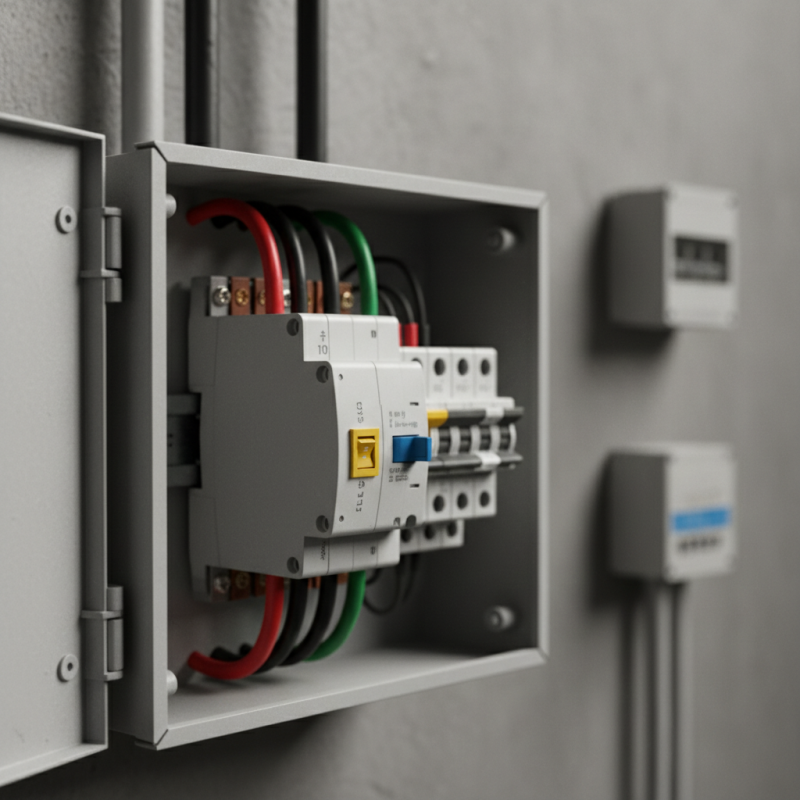
Definition of Breaking Capacity in Residual Current Devices (RCD)
Residual Current Devices (RCDs) play a crucial role in electrical safety. One key aspect to consider is their breaking capacity. This term refers to the maximum fault current an RCD can interrupt without becoming damaged. Understanding this can help ensure that the device operates effectively in emergencies.
The breaking capacity of an RCD is essential because it determines how well the device can protect users from electrical shocks. If an overload occurs, the RCD must trip quickly. An RCD with insufficient breaking capacity may fail during a high fault current scenario. This can lead to serious accidents. Each installation has different requirements based on the environment and potential electrical loads.
RCDs come with ratings that indicate breaking capacity. A lower-rated device might seem sufficient in some situations, but it could lead to risks. It's important to assess specific needs and consider future developments. Electrical systems may expand over time, which could increase demand. Evaluating breaking capacity ensures that RCDs can handle unexpected surges safely, thereby enhancing overall safety.
Understanding the Breaking Capacity of RCDs
This bar chart illustrates the breaking capacity of various residual current device (RCD) ratings. Understanding these capacities is crucial for ensuring electrical safety and compliance in residential and commercial settings.
Importance of Understanding RCD Breaking Capacity in Electrical Safety
Understanding the breaking capacity of Residual Current Devices (RCDs) is crucial for electrical safety. RCDs are vital in preventing electric shocks and fires. They detect imbalances in electrical current, cutting off the power supply to ensure user safety. According to a report by the International Electrotechnical Commission, inadequate understanding of RCD specifications, including breaking capacity, can lead to serious safety hazards.
Breaking capacity refers to the maximum fault current an RCD can handle before it trips. If this capacity is too low for a given electrical system, the RCD may fail to operate correctly under fault conditions. A serious oversight can occur if the installed RCD does not match the system's potential fault levels. Data from various safety studies indicate that up to 30% of electrical shocks could have been prevented with properly rated RCDs.
It's essential for electricians and safety professionals to regularly review RCD specifications. Misunderstandings can result in underestimating risks, leading to dangerous situations. The breaking capacity should ideally exceed the maximum prospective fault current. This calls for a more informed approach in the field, as many professionals may not fully grasp the critical implications of these ratings. Regular training on RCD standards can bridge this knowledge gap.
Factors Affecting the Breaking Capacity of RCDs
The breaking capacity of Residual Current Devices (RCDs) is crucial to ensure electrical safety. This capacity refers to the maximum fault current that an RCD can interrupt without failure. Understanding the factors affecting this capacity helps in selecting the right devices for various applications.
Several elements influence the breaking capacity of RCDs. The type of fault current, whether AC or DC, plays a significant role. Certain RCDs can only handle specific types of currents. This specificity may lead to misconceptions in selecting an appropriate device.
Installation conditions also impact the performance. The overall environment, such as humidity and temperature, can affect reliability. Wiring methods and cable types must also be carefully considered. High-quality wiring can enhance the RCD's effectiveness.
Moreover, users sometimes overlook the significance of regular testing and maintenance. Devices may degrade over time, impacting their protection abilities. It's essential to incorporate timely inspections and replacements. Relying solely on initial ratings isn't always sufficient. Ensuring that your RCD can perform effectively under various conditions is vital for ongoing safety in electrical systems.
Comparative Analysis of RCD Breaking Capacities and Their Applications
The breaking capacity of Residual Current Devices (RCDs) is crucial in protecting electrical systems. It measures how much current an RCD can handle before failing. Various reports indicate that RCDs should ideally have a breaking capacity of at least 6 kA for residential applications and higher for commercial use. Many installations overlook this aspect.
For instance, comparing different RCD models, a report by the International Electrotechnical Commission (IEC) reveals that devices with a higher breaking capacity perform better in fault conditions. They minimize risks effectively. However, not all RCDs are created equal; some might not meet the required standards for specific environments. This discrepancy can lead to equipment failures or even fires.
Understanding these differences is essential for electrical safety. A recent survey showed that nearly 30% of electrical installers are unaware of the breaking capacity implications. This gap in knowledge can have severe consequences. Proper training and adherence to standards can mitigate risks significantly and ensure a safer electrical environment.
Understanding the Breaking Capacity Of Rcd Is It Important? - Comparative Analysis of RCD Breaking Capacities and Their Applications
| RCD Type | Breaking Capacity (kA) | Application | Standard Compliance |
| Type A | 6 kA | Residential | IEC 61008 |
| Type AC | 10 kA | Commercial | IEC 61008 |
| Type F | 25 kA | Industrial | IEC 61008 / 61009 |
| Type B | 30 kA | Renewable Energy | IEC 62423 |
| Type B+ | 50 kA | Heavy Industrial | IEC 62423 |
Best Practices for Choosing RCDs with Adequate Breaking Capacity
When selecting Residual Current Devices (RCDs), understanding their breaking capacity is crucial. Breaking capacity refers to the maximum fault current an RCD can handle safely. An inadequate breaking capacity can lead to device failure. This may expose users to electric shock or fire hazards.
When choosing RCDs, consider the potential fault currents in your electrical system. This requires understanding your installation’s load and fault levels. A more powerful electrical installation might need a higher breaking capacity. It's essential to assess whether the existing RCD meets these requirements. Many users overlook this detail.
Also, installation conditions can affect the choice. Factors like ambient temperature and installation site may matter. Don't ignore local regulations and standards. Ignoring them can lead to faulty selections. Proper installation by professionals can ensure devices perform as intended. Each choice you make can significantly impact safety. Always prioritize knowledge over assumptions when selecting RCDs.

