2026 Best Rapid Injection Mold Solutions for Global Buyers?
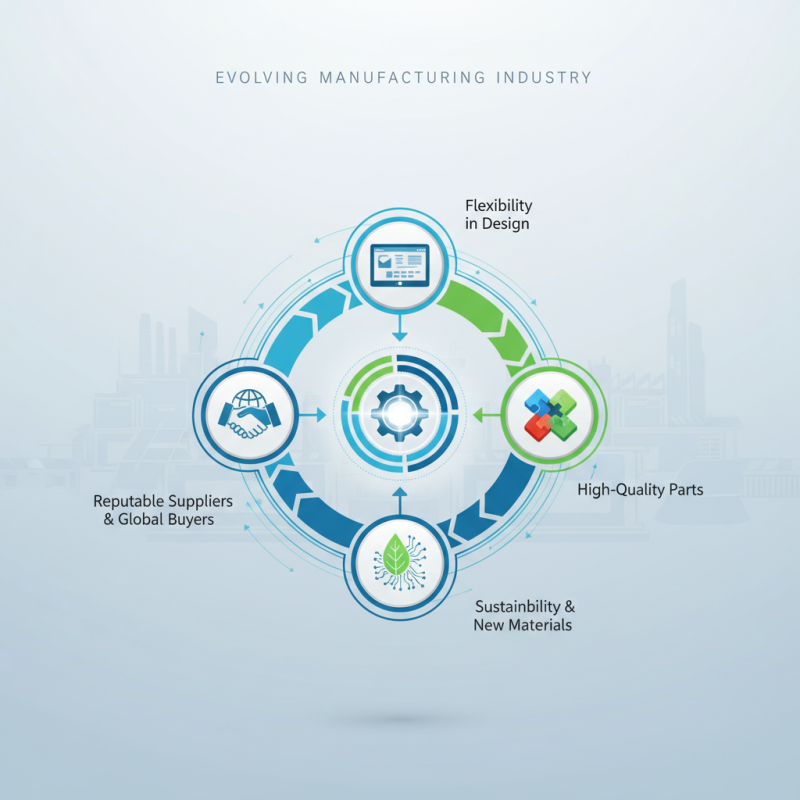
As the manufacturing industry evolves, so does the need for efficient production techniques. One solution gaining traction is Rapid Injection Mold. This method combines speed with precision, enabling companies to quickly create high-quality parts. Global buyers are increasingly seeking innovative molds that meet their diverse needs.
Rapid Injection Mold offers flexibility in design, allowing businesses to adapt to market demands swiftly. However, not all solutions are created equal. Some companies may prioritize cost over quality, leading to subpar products. Trusting reputable suppliers is crucial to avoid these pitfalls.
In 2026, the landscape for Rapid Injection Mold solutions promises to be dynamic. Emerging technologies and materials and the drive for sustainability will reshape the options available. Buyers must remain vigilant and informed to navigate these changes effectively. Staying updated on industry trends and supplier reputation can lead to successful outcomes in their projects.
Overview of Rapid Injection Molding Technology
Rapid injection molding has gained prominence in the manufacturing sector for its ability to produce parts quickly and efficiently. This method allows for faster tooling and shorter lead times, making it invaluable in industries such as automotive, consumer electronics, and healthcare. According to a recent report by Market Research Future, the global rapid injection molding market is expected to grow at a CAGR of 6% between 2021 and 2026, driven by increasing demand for custom products and shorter time-to-market.
The technology offers flexibility in production, enabling manufacturers to adjust designs quickly. However, the trade-off often lies in the initial setup cost. Many companies face challenges in balancing quality and speed. Understanding the intricacies of the process is crucial. A study from the Society of Plastics Engineers emphasizes that precision in material selection and mold design plays a pivotal role in achieving desired outcomes. Despite the advantages, not all processes yield consistent results. Therefore, continuous iterations may be needed to refine techniques, ensuring reliability and performance in end products.
Key Factors Influencing Rapid Injection Mold Selection
Choosing the right rapid injection mold solution can be challenging. Several key factors influence this decision. One of the most crucial aspects is material compatibility. Different materials require specific mold capabilities. Knowing the properties of the plastic material helps ensure optimal performance.
Another factor to consider is production volume. Some projects demand high volume output while others focus on low to medium runs. This requirement impacts the complexity and costs of mold design. A more intricate mold may be necessary for larger quantities, but this could lead to longer lead times.
Lastly, the experience and expertise of the mold manufacturer can make a significant difference. A reputable manufacturer brings valuable insight. They can offer guidance based on past projects and industry standards. Seek providers who showcase strong case studies and satisfied clients. Every project is unique, and understanding the specific needs is vital for success.
2026 Best Rapid Injection Mold Solutions for Global Buyers
| Material Type | Lead Time (Days) | Annual Production Capacity (Units) | Mold Life (Cycles) | Cost ($) |
| ABS | 15 | 50,000 | 1,000,000 | 5,000 |
| PC | 20 | 30,000 | 800,000 | 7,500 |
| Nylon | 25 | 40,000 | 900,000 | 6,000 |
| PP | 18 | 60,000 | 1,200,000 | 4,500 |
| POM | 22 | 35,000 | 850,000 | 8,000 |
Leading Suppliers of Rapid Injection Mold Solutions in 2026
As the demand for rapid injection molding solutions rises, several key suppliers are stepping up in 2026. These suppliers focus on efficiency and precision. They cater to a range of industries including automotive, consumer goods, and medical devices. Their expertise in rapid prototyping has transformed product development cycles.
Leading suppliers showcase advanced technologies like 3D Printing and automation. These innovations allow for shorter lead times and better design flexibility. However, not every supplier has achieved the same level of success. Some may struggle with material consistency or quality control. Buyers should be vigilant and conduct thorough research.
Reliability and communication are critical when selecting a supplier. Rapid injection molding requires seamless collaboration between suppliers and clients. A lack of feedback mechanisms can lead to misunderstandings and delays. This emphasizes the importance of choosing partners who prioritize transparency. Decision-makers must be proactive in evaluating supplier capabilities and limitations.
Comparative Analysis of Cost-Effectiveness in Injection Molding
In the rapidly evolving world of injection molding, cost-effectiveness is key for buyers. Companies worldwide seek the best solutions to enhance efficiency and reduce expenses. Rapid injection molding offers significant advantages, but not all options provide the same return on investment. Buyers must analyze their specific needs and the associated costs meticulously.
Choosing the right solution involves more than just price. Factors include production speed, material options, and design flexibility. While some methods boast low upfront costs, hidden expenses can arise later. For instance, faster production times may lead to higher initial investments. However, if it results in lower per-unit costs, the long-term savings may justify the expenditure.
Moreover, assessing the reliability of suppliers is crucial. A reputable provider can offer robust support throughout the process. Communication transparency is vital for addressing issues promptly. Buyers should reflect on previous experiences with different partners. Those reflections can guide new decisions, ensuring a more effective and trustworthy collaboration in future projects.
Future Trends in Rapid Injection Mold Solutions for Global Markets
The landscape of rapid injection mold solutions is evolving steadily. As we look forward to 2026, several future trends are emerging that global buyers should consider. Firstly, sustainability is becoming a priority. Manufacturers are integrating eco-friendly materials and processes. This shift reduces waste and energy consumption.
Technology plays a crucial role in this evolution. Automation and AI are streamlining production. Advanced software is enhancing design accuracy, shrinking lead times. This integration allows for faster, more efficient processes. Moreover, customization capabilities are expanding. Tailored solutions are increasingly demanded. This drive for personalization may require more innovative approaches to mold design and production.
Tips for adapting to these trends include investing in training and technology. Embracing innovation will help maintain competitiveness. Keep an eye on changing market demands. Responsive adjustments can keep businesses relevant. Reflect on your current practices. Improvement often lies in recognizing areas of inefficiency. Staying informed will be essential for navigating this dynamic field.

