What Are the Best Options for Field Fence Solutions?
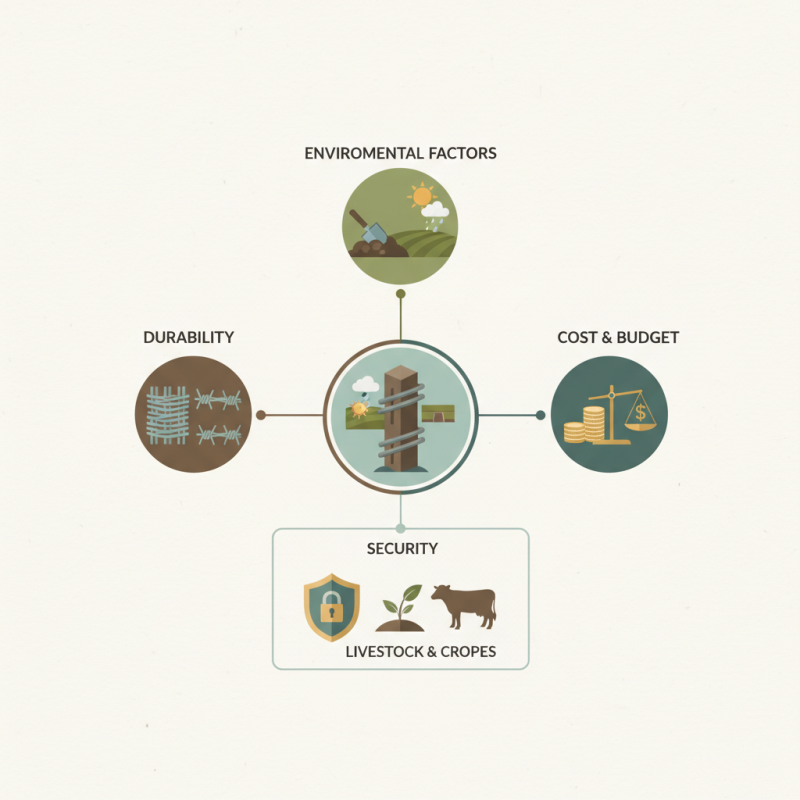
Choosing the right Field Fence solution can be challenging. With various options available, it's essential to consider specific needs. Field fences play a crucial role in agricultural settings, providing both functionality and security for livestock and crops.
When selecting a field fence, durability is key. High-quality materials like woven wire or barbed wire often excel in strength. However, not every solution suits all environments. Factors such as soil type, terrain, and climate directly affect performance. Experts recommend assessing these conditions before making a decision.
Budget constraints also influence choices. While some field fences offer high durability, they may come at a premium cost. It's vital to balance quality with affordability. Reflecting on these decisions ensures a reliable and effective fencing solution that meets your specific requirements.
Types of Field Fencing Materials: An Overview
When selecting field fencing materials, several options can meet diverse needs. Wire fencing, for instance, is popular due to its affordability and flexibility. It comes in various gauges and designs, serving well for livestock containment. However, it may require regular maintenance, as wear can occur over time.
Wooden fencing offers a more traditional look and can enhance the aesthetics of a property. Treated wood is durable but can be expensive. Proper installation is crucial, as improper techniques can lead to structural issues. Composite materials are another option, combining durability with low maintenance. They withstand weather conditions better than wood but may not provide the same visual appeal.
Vinyl fencing is also gaining traction among landowners. It is resistant to rot and does not need painting. However, its higher initial cost might not suit every budget. The choice of material should align with specific goals and maintenance capabilities. Each option has strengths and weaknesses. Evaluating them carefully is essential for selecting the best fencing solution.
Key Benefits of Using Field Fences for Land Management
Field fences provide essential benefits for effective land management. They serve as barriers that protect crops and livestock from wandering off. A well-installed fence can delineate property boundaries, which is critical for farmers and landowners. It allows for better control over livestock movement, ensuring they stay in designated areas.
Moreover, these fences can improve land utilization. By sectioning off parts of a field, you can rotate grazing areas. This promotes healthier soil and pasture growth. However, it's crucial to consider the type and material of the fence. Some options may weather poorly or require frequent maintenance. Experience tells us that regular inspections are necessary to avoid damage over time.
Currently, some land managers are exploring alternative fencing solutions. They seek options that blend durability with aesthetics. This exploration is essential. Sometimes, a low-cost solution might not withstand harsh weather. Reflecting on long-term needs is vital. Investing in quality materials may yield better results in the future. Ultimately, the right field fence can make a significant difference in land management practices.
Field Fence Solutions: Key Benefits
Factors to Consider When Choosing Field Fencing Solutions
When selecting field fencing solutions, several factors come into play. Material choice is critical. Different materials have unique lifespans and maintenance needs. Wire fences may last about 10-20 years, but wooden ones typically last for only a decade without proper care. This longevity impacts long-term costs and planning.
The layout of the land is another important consideration. Fencing must adapt to varying terrains. A level ground will need different support structures compared to hilly or rocky areas. Proper installation can prevent future issues, such as wear from weather extremes. According to a recent report by the Agricultural Wire Association, improperly installed fences can lead to 30% more repairs over their lifetime.
Animal behavior should also be a priority. Some animals require strong barriers to deter them. For example, livestock may challenge weaker fences, causing damage and escape. Understanding animal habits can help in selecting the right height and strength of the fence. Often, field owners overlook this, leading to unexpected problems like frequent repairs or replacements.
Installation Techniques for Effective Field Fencing
Effective field fencing requires precise installation techniques to ensure durability and functionality. Utilizing proper materials is essential. The American Society of Agricultural and Biological Engineers notes that well-constructed fences can last 20 years or more. However, quality stems from sound installation practices.
One critical technique involves grounding posts deeply. Industry standards recommend burying posts at least one-third of their length. This depth provides stability against wind and animal pressure. Using concrete to secure posts enhances strength, particularly in high-traffic areas. Panel spacing should also consider local wildlife. Reports indicate that deer can clear distances of up to 8 feet. Thus, installing taller fences may be necessary in certain regions.
Regular maintenance is another factor that can affect longevity. Annual inspections help identify wear and tear. Timely repairs can extend the life of the fence. However, many overlook this essential step. This neglect can lead to compromised boundaries and increased costs. In a world where expenses are scrutinized, small investments in upkeep can yield significant savings later on. Engaging local expertise can also provide insights tailored to specific environments. Fencing is often a blend of art and science, requiring ongoing reflection on techniques and conditions.
Maintenance Tips for Longevity of Field Fencing Systems
Maintaining field fencing systems is crucial for longevity and effectiveness. Regular inspections help identify weak points. Check for rust, broken wires, or loose posts. Addressing these issues promptly can prevent larger problems later.
Cleaning the fencing helps reduce the impact of dirt and debris. A clean fence is less prone to wear. For wooden posts, treating with sealant can extend their lifespan. This step is often overlooked but extremely important for durability.
Seasonal maintenance is another key aspect. In autumn, remove vegetation that may encroach. In winter, snow load can damage fences, so clearing it off is a good practice. Not all owners consider these factors, leading to costly repairs. Regular upkeep might seem tedious but is necessary for effective protection and functionality.