2026 Best Ground Rod and Earth Rod Options for Global Buyers?
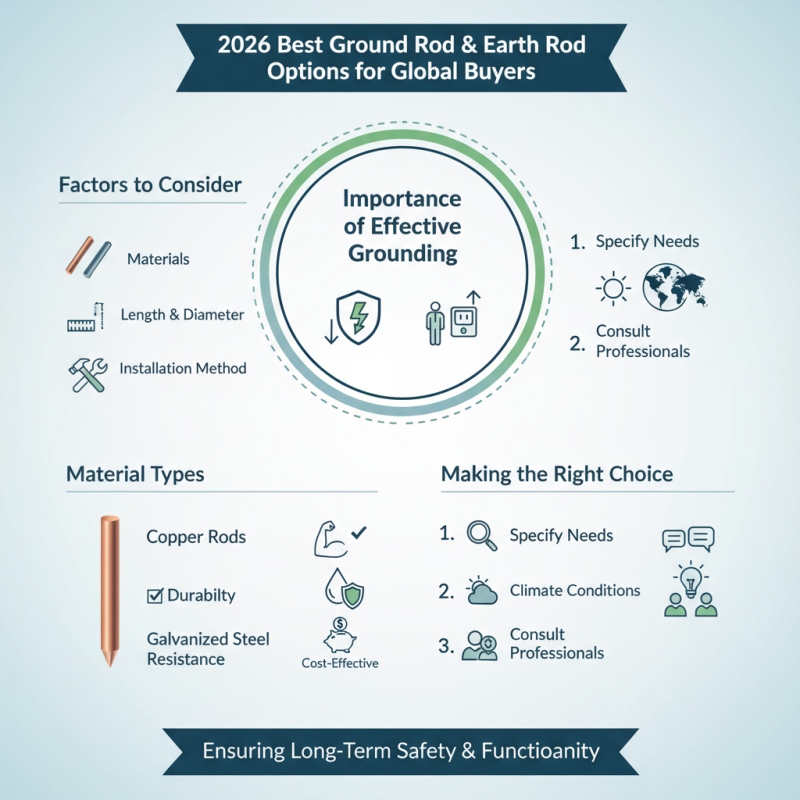
When selecting the best Ground Rod & Earth Rod for 2026, buyers face many options. The importance of effective grounding cannot be overstated. A reliable ground rod ensures safety and compliance with electrical standards. It is essential for protecting both equipment and people from electrical faults.
Various factors influence the choice of ground rods. Materials, length, and installation methods all play significant roles. For example, copper rods are durable and resistant to corrosion. In contrast, galvanized steel rods offer budget-friendly alternatives. However, not every option works for every environment. Understanding specific needs is crucial in making informed decisions.
Buyers may find it challenging to navigate the myriad choices. Specifying applications and climate conditions is vital. Furthermore, consulting with professionals can provide insights that products alone cannot offer. Ground Rod & Earth Rod selection is not merely about buying; it's about ensuring long-term safety and functionality.
Overview of Ground Rods and Earth Rods: Importance and Function
Ground rods and earth rods play a crucial role in electrical safety. They help dissipate excess electrical energy into the ground, preventing equipment damage. According to a report by the National Institute of Standards and Technology, improper grounding contributes to nearly 30% of electrical system failures. This underscores the significance of using high-quality grounding solutions.
Proper grounding is vital for both residential and industrial applications. It protects against lightning strikes and power surges. Current guidelines recommend a minimum depth of eight feet for ground rods in most areas. This depth ensures effective grounding, reducing impedance and maximizing safety. However, many installations fall short of optimal performance due to inadequate grounding methods.
Conducting regular inspections of ground systems is essential. Over time, soil composition can change, affecting grounding effectiveness. Failure to address these changes can lead to hazardous conditions. The International Electrotechnical Commission highlights that a well-maintained ground system can significantly increase safety and reliability. Investing in quality materials and regular assessments can mitigate risks effectively. Grounding systems must adapt to evolving standards and environmental conditions.
2026 Best Ground Rod and Earth Rod Options for Global Buyers
This chart illustrates the various types of ground and earth rods on the market, highlighting their effectiveness based on material compositions and resistance levels. The data reflects selected parameters crucial for buyers to consider when selecting grounding solutions.
Types of Ground Rods: A Comprehensive Comparison of Materials and Sizes
When selecting ground rods, material choice significantly impacts performance. Common materials include copper, galvanized steel, and stainless steel. Copper offers excellent conductivity, reducing resistance for effective grounding. However, its cost may deter some buyers. Galvanized steel is more affordable and durable, making it a popular choice. Nonetheless, it may corrode over time, especially in certain soils.
Size is another critical factor in choosing ground rods. Standard lengths vary from 4 to 10 feet. Shorter rods may suffice in certain environments, but longer rods generally provide better grounding. Some installations require multiple rods connected together, especially in areas with high electrical demands. This necessity prompts buyers to consider both depth and number in their installations.
Grounding systems are often taken for granted until problems arise. Buyers must reflect on their local environment and soil conditions. Conductivity changes with moisture levels, affecting the overall effectiveness. A well-informed decision balances material quality against installation costs. Understanding these factors helps ensure reliable grounding solutions for diverse applications.
Top Brands to Consider for Ground Rods in 2026: Features and Benefits
When selecting ground rods in 2026, buyers should prioritize quality and performance. High-quality materials, such as copper or galvanized steel, are essential. These materials ensure durability and effective grounding. The length and diameter of the rods can affect their performance. Standard sizes typically range from 8 to 10 feet.
Several top brands are noted for their reliable features. Look for rods that offer corrosion resistance. This feature extends the lifespan of the product. Some rods come with an extended warranty, which adds an extra layer of protection. Simplicity in installation is also a valuable feature. Many brands provide clear guidelines to help users achieve optimal grounding.
However, not every option is perfect. Some ground rods may require additional accessories for proper installation. Research is needed to understand specific installation needs. Users should be aware that environmental factors can affect grounding performance. Regular maintenance checks are also advised to ensure effectiveness. The right choice hinges on careful consideration of these factors.
Installation Best Practices: Ensuring Optimal Performance of Ground Rods
When installing ground rods, optimal performance is crucial for electrical safety. This can be achieved by following best practices during installation. Selecting the right location is vital; choose areas with moist soil to enhance conductivity. Avoid rocky or dry patches, as these impede proper grounding.
Tips: Always ensure your tools are clean and free from rust. This simple step prevents contamination that may compromise the connection. Regularly check the depth of your ground rod. A depth of at least eight feet is often recommended for effective grounding.
Proper bonding of the ground rod to the electrical system is essential. Use corrosion-resistant connectors to ensure longevity. It's also important to have a continuous path in the grounding system. Any break in this connection can result in safety hazards, so perform routine inspections.
Reflect on the installation process; even minor oversight can lead to performance issues later.
Global Standards and Regulations for Ground Rods: What Buyers Need to Know
When selecting ground rods globally, understanding the local and international standards is crucial. Ground rods must meet various regulations to ensure safety and effectiveness. ANSI/IEEE standards often govern the performance criteria for grounding systems. These standards help establish minimum requirements for grounding systems, ensuring reliability in critical installations.
The importance of corrosion resistance in grounding materials cannot be overstated. Reports indicate that environmental conditions can significantly affect a rod's durability. For instance, galvanized steel rods may only last 10-15 years in coastal areas. This contrasts sharply with copper-clad or stainless steel rods, which show greater longevity under harsh conditions. Buyers should consider the specific environmental factors in their region when selecting an appropriate rod type.
Additionally, the bonding capacity is a vital factor. Studies suggest that a properly installed ground rod can reduce electrical resistance. Resistance values below 10 ohms are often recommended in high-risk areas. It highlights the need for high-quality installation practices. Poor installation can lead to increased resistance, ultimately compromising safety. These factors illustrate that not all ground rods are created equal, even if they meet the same regulatory standards.
2026 Best Ground Rod and Earth Rod Options for Global Buyers
| Type | Material | Length (m) | Diameter (mm) | Corrosion Resistance | Global Compliance |
| Copper | Copper | 1.2 | 16 | High | IEC 61024 |
| Galvanized Steel | Steel | 1.5 | 20 | Moderate | ANSI/UL 467 |
| Copper-Bonded | Steel | 1.2 | 17 | High | BS EN 50164 |
| Stainless Steel | Stainless Steel | 1.0 | 12 | Very High | IEEE 1100 |
| Graphite | Graphite | 1.5 | 25 | High | ISO 14001 |

