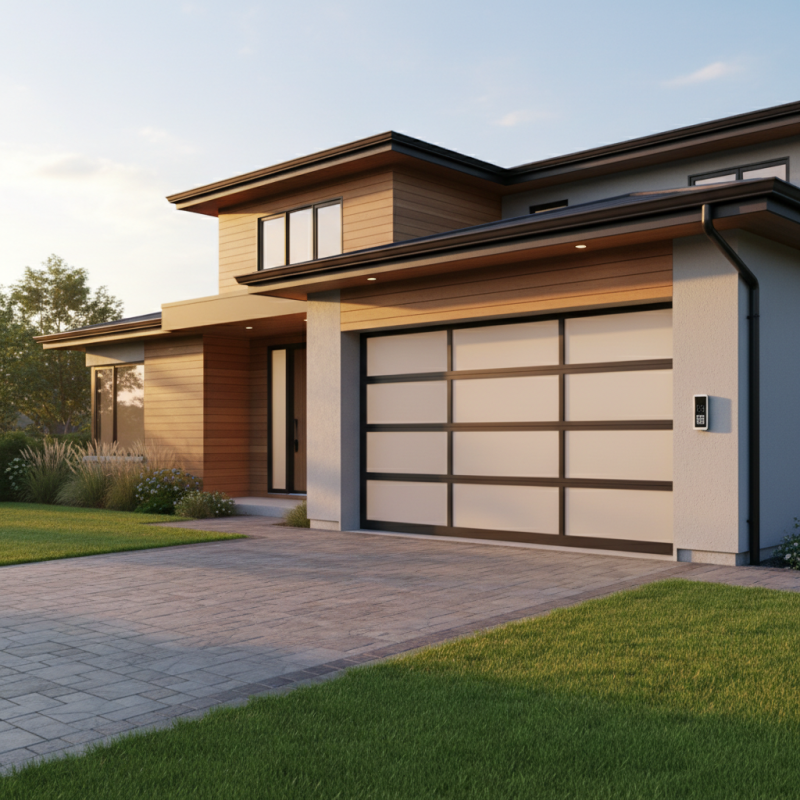
What is the Best Electric Garage Door to Install?
When considering home upgrades, Electric Garage Doors stand out as a practical choice. They offer convenience and security that manual doors cannot compete with. With various models on the market, finding the best one may seem daunting.
Many people overlook the importance of selecting the right type. Different styles suit different needs. For some, aesthetics matter. For others, durability is key. Electric Garage Doors can enhance your home’s curb appeal while providing easy access.
However, not every model meets the same standards. Some lack features that improve functionality. Customers often regret not researching before purchasing. Understanding the options available can help avoid future regret. Invest time in learning about the best Electric Garage Doors that fit your requirements.
Factors to Consider When Choosing an Electric Garage Door
When choosing an electric garage door, several factors require careful consideration. The door's material plays a crucial role. Wood offers natural beauty but demands regular maintenance. Steel, while durable, might show dents over time. Think about your climate too. Extreme weather can affect the door’s performance. Insulated doors are wise in colder areas, helping maintain temperature.
[Image] Another important factor is the door opener mechanism. Chain drive is economical but can be noisy. Belt drive systems run quieter, which is great for garages near living spaces. Ease of installation can also vary, potentially affecting your costs.
Security features cannot be overlooked. Look for doors with sturdy locking mechanisms. Remote access adds convenience but may raise concerns about hacking risks.
The aesthetic appeal matters as well. You want your garage door to complement your home’s design. It’s common for homeowners to regret choosing a style that clashes. Take your time. Each choice impacts not only functionality but also your home's curb appeal.
Types of Electric Garage Doors: Overview and Comparisons
Choosing the right electric garage door can be overwhelming. There are various types, and each has its advantages. Sectional doors are popular for their space-saving design. They slide up and down seamlessly, ideal for tight spaces. Roll-up doors take up minimal space but may lack insulation. Consider this if your garage is in extreme climates.
Tips: Always measure your garage space accurately. This prevents future installation headaches. Consult with a professional to understand your exact needs.
Sliding doors are another option. They provide a modern look and are efficient for larger openings. Swing-out doors can offer a classic appeal, but be wary of space requirements when they open.
It’s crucial to reflect on the materials used. Steel doors are durable but can rust over time. Wooden doors look stunning but require regular maintenance. Balance aesthetics with functionality.
Tips: Think about your budget. Sometimes, spending a bit more leads to long-term savings. Regular maintenance is key to prolonging the lifespan of your chosen door.
What is the Best Electric Garage Door to Install? - Types of Electric Garage Doors: Overview and Comparisons
| Type of Garage Door | Material | Insulation | Estimated Cost | Lifespan |
| Sectional Garage Door | Steel, Aluminum, Wood | Yes | $800 - $3,000 | 15-30 years |
| Roll-up Garage Door | Steel, Aluminum | No | $1,000 - $2,500 | 10-20 years |
| Side-hinged Garage Door | Wood, Steel | Optional | $600 - $1,500 | 10-20 years |
| Tilt-up Garage Door | Wood, Steel | No | $500 - $1,200 | 10-15 years |
Key Features of the Best Electric Garage Doors
When looking for the best electric garage door, certain features stand out. A reliable opener should have a quiet motor, ensuring minimal noise disruption. Safety sensors are crucial; they prevent accidents by reversing the door if an obstruction is detected. Energy efficiency matters too. Choosing an opener that consumes less power can reduce electricity bills.
Consider the design and material. Steel doors offer durability while wooden options provide aesthetic appeal. The color and finish should complement your home’s exterior. Also, remote access capabilities add convenience. Imagine controlling your garage door from your smartphone. This adds a layer of modern security.
One often overlooked feature is the warranty. A solid warranty can save you from unexpected repair costs. Be cautious; not all warranties are equal. Read the fine print. Reflect on the installation process as well. A professional install can prevent future issues. It may cost more initially, but it often pays off with fewer headaches.
Top Brands and Models in the Electric Garage Door Market
When considering electric garage doors, several top brands stand out. The market is competitive, with options ranging in price, features, and security. According to industry reports, about 40% of homeowners prioritize security features when selecting garage doors. Modern electric garage doors often come equipped with smart technology. These functionalities allow for remote access via smartphones.
Some models boast built-in security sensors, increasing safety levels in your home. A study highlighted that nearly 25% of homeowners experience issues with installation. This can lead to increased frustration and potential additional costs. Energy efficiency is another critical factor. Many newer models consume less power, reducing electric bills over time.
However, some users report that despite advanced features, they still face mechanical failures. These might require professional repairs. Reports show that 15% of electric garage doors require maintenance within the first year. This suggests that even the best models may have shortcomings. Finding a balance between cost, features, and reliability becomes essential in this market.
Installation and Maintenance Tips for Electric Garage Doors
When installing electric garage doors, proper setup is essential for smooth operation. Begin by ensuring that the garage door frame is level and free of obstructions. Take your time measuring the dimensions. A door that fits poorly can lead to issues down the road. Double-check everything before you make actual installations, as mistakes can be costly.
Regular maintenance is key to keeping your electric garage door working well. Lubricate the moving parts every few months. This prevents the door from sticking or making loud noises. Inspect the door's sensors regularly. If they're misaligned, the door may not close properly. Remember to clear away any dirt or debris that can obstruct the door’s movement.
Sometimes, users might overlook minor issues. A slight delay in closing could indicate wiring problems. Keep an eye out for unusual sounds too. They often signal trouble. Don't wait for a problem to escalate; it's wiser to act early. Taking a proactive approach will ensure your garage door lasts longer and functions better.