Best 3D Wheel Aligner for Accurate Vehicle Alignment Solutions?
When it comes to accurate vehicle alignment solutions, the role of a 3D Wheel Aligner cannot be overstated. This advanced technology has revolutionized how professionals measure and adjust vehicle alignment. A reliable 3D Wheel Aligner ensures that every wheel is positioned perfectly. Such precision can enhance tire performance and extend their lifespan.
However, not all 3D Wheel Aligners are created equal. With various options on the market, discerning which aligns best with specific needs can be challenging. Some models may boast impressive features but lack user-friendliness or accuracy. Additionally, the cost of high-end aligners might be daunting for smaller workshops. It’s essential to evaluate each option critically.
In seeking the best 3D Wheel Aligner, consider both expert reviews and user feedback. These perspectives provide valuable insights into real-world performance. A reputable aligner not only improves service quality but builds customer trust. It’s this blend of professional opinion and practical experience that guides automotive professionals to make informed decisions.
Overview of 3D Wheel Alignment Technology and Its Importance
The importance of 3D wheel alignment technology cannot be overstated. Accurate alignment affects vehicle handling, tire wear, and fuel efficiency. Poor alignment can lead to uneven tire wear and increased fuel consumption. It might also compromise safety during driving. So, understanding how 3D alignment works is essential for vehicle owners.
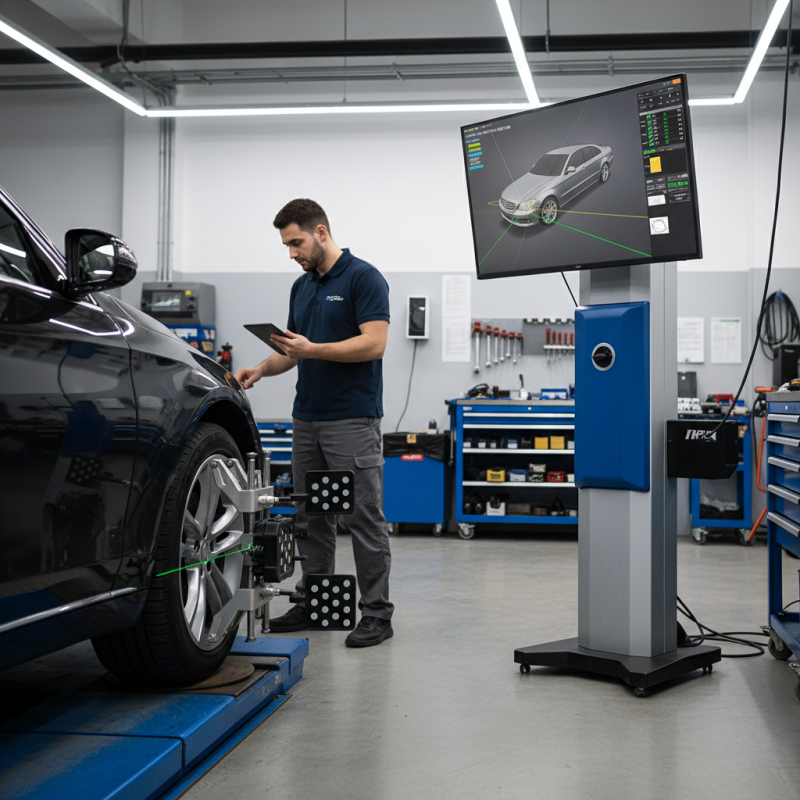
3D wheel alignment systems utilize cameras and sensors. These devices capture precise measurements of each wheel's angle. The technology provides real-time data that helps in making adjustments. Technicians can view results instantaneously, which enhances the repair process. However, not all aligners are created equally. Some may struggle with complicated adjustments.
Additionally, calibration usually requires technical expertise. Technicians must be trained to interpret the data correctly. A simple mistake can lead to inaccurate measurements. This is where reliability comes into play. Trusting a skilled technician with quality equipment is crucial for accurate outcomes. Vehicle owners must ensure that the service they choose emphasizes precision and reliability.
Key Features to Consider When Choosing a 3D Wheel Aligner
When selecting a 3D wheel aligner, consider key features that enhance accuracy and reliability. Look for systems with laser technology. Such systems provide precise angle measurements crucial for accurate alignments. Research indicates that 3D laser systems can reduce alignment errors by up to 30%, improving vehicle safety and performance.
Another important factor is user interface. A straightforward interface allows technicians to easily access alignment data. Complex systems can lead to errors, wasting time and resources. User-friendly software can streamline the alignment process. Reports suggest that ease of use can decrease training time for new technicians by over 20%.
Calibration is essential too. Ensure the aligner has robust calibration protocols. This is vital for maintaining accuracy over time. Some reports highlight that maintenance left unchecked can lead to misalignments that cost businesses thousands annually. Investing in technology that ensures consistent calibration can save money in the long run.
Top Models of 3D Wheel Aligners in the Market Today
When it comes to vehicle alignment, precision is crucial. 3D wheel aligners have emerged as a popular choice among professionals. These aligners use advanced imaging technology to analyze wheel angles, providing greater accuracy than traditional methods. This technology enhances the repair process, leading to improved vehicle handling and increased tire longevity.
Among the best models available today, several stand out based on performance and user feedback. Many units offer real-time data and comprehensive diagnostics. Shops using these tools often report enhanced operational efficiency. However, some users express concerns about complexity and the length of the setup process. It's essential to weigh these aspects carefully.
Training and experience play significant roles in maximizing the potential of these aligners. While modern technology simplifies many tasks, expertise is still necessary to interpret results correctly. A balance between knowledge and the technology itself is key. Without proper understanding, misalignment can still occur, leading to frustrating outcomes. Investing time in training can yield valuable dividends.
3D Wheel Aligner Accuracy Comparison
Comparison of 3D Versus Traditional Wheel Alignment Methods
When comparing 3D wheel alignment methods to traditional approaches, several key differences become evident. 3D systems utilize advanced technology, providing rapid measurements. This process allows for immediate feedback on vehicle positioning. Traditional methods often rely on manual adjustments, which can introduce human error. Accuracy is crucial for safety and performance.
3D aligners offer visual displays for technicians, enhancing understanding of adjustments. This visual aid can lead to better decision-making. However, not all technicians are trained to interpret these advanced systems well. Misinterpretation of data can result in misalignments. Traditional methods have a familiar process, yet may lack the precision of modern tools.
Furthermore, the equipment cost for a 3D aligner can be substantial. Small shops may hesitate to invest heavily without guaranteed returns. In contrast, traditional tools are often more accessible and cheaper. Each method has strengths and weaknesses. Continuous training and adaptability are essential for success in either method.
Best Practices for Using and Maintaining a 3D Wheel Aligner
Proper usage and maintenance of a 3D wheel aligner can significantly enhance its accuracy and lifespan. These aligners typically use advanced technology like laser and camera systems. According to a recent industry report, 80% of misalignments can be detected by professional-grade 3D aligners. Thus, training for technicians is crucial. They must know how to interpret readings accurately to ensure appropriate adjustments.
Maintaining a 3D wheel aligner involves regular calibration and cleaning. If not done properly, the equipment’s precision can suffer. A study indicated that 90% of misalignments stem from improper equipment care. Keep the sensors clean and free from dust. Regular checks on software updates ensure the aligner operates optimally. Moreover, noting any deviations in readings may signal underlying issues needing attention.
User feedback is invaluable in this field. Technicians should regularly communicate experiences to identify trends or recurring issues with alignment. Documenting these reflections helps improve practices over time. Alignment technology continues to evolve, but consistent practices ensure reliability. Adapting to equipment changes remains a challenge, but it is essential for success in vehicle alignment solutions.

