Top 10 Benefits of Sintered Porous Metal Filters for Buyers?
Sintered Porous Metal Filters play a crucial role in various industries, from automotive to pharmaceuticals. As reported by Grand View Research, the global porous metal market reached $1.15 billion in 2022, with a growing demand for efficient filtration solutions. These filters offer unique advantages, such as excellent thermal and chemical resistance, making them ideal for harsh environments.
These filters are constructed through a process that involves sintering metal powders, resulting in a robust and uniform structure. Their ability to control pore size precisely is unmatched. According to industry studies, Sintered Porous Metal Filters can achieve filtration efficiencies of up to 99.9%. However, buyers must assess applications carefully. Not every filter suits all needs, and potential applications vary greatly.
Many buyers overlook the long-term benefits of investing in high-quality filtration solutions. Cost is often a primary concern, yet considering the lifespan and maintenance of Sintered Porous Metal Filters is essential. Understanding the total cost of ownership will lead to informed decisions, better performance, and enhanced reliability in the long run.
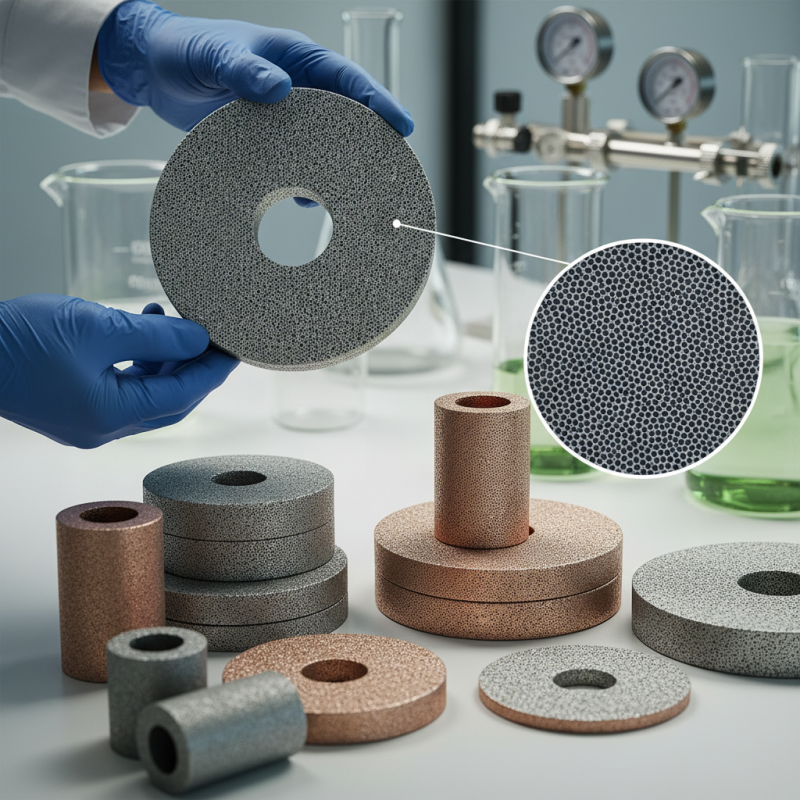
Advantages of Sintered Porous Metal Filters in Various Industries
Sintered porous metal filters offer unique advantages across various industries. Their structure provides excellent filtration without obstructing flow. This makes them ideal for applications in aerospace, automotive, and pharmaceuticals. According to a report by MarketsandMarkets, the global market for porous metal filters is projected to reach $1.2 billion by 2024, indicating rising demand in these sectors.
Metal filters showcase remarkable durability. They can withstand high temperatures and corrosive environments. This durability translates into lower maintenance costs for industries relying on filtration to maintain quality and efficiency. For instance, in chemical processing, these filters can operate under extreme conditions without failing. Moreover, the consistent performance can lead to improved product quality and reduced waste.
**Tip:** Regularly assess performance metrics for your filtration systems. Monitoring efficiency can help identify issues before they escalate.
Sintered metal filters are also notable for their reusability. They can be cleaned and reused multiple times without significant degradation in performance. This characteristic is particularly valuable in sectors such as food processing, where hygiene and safety are paramount.
**Tip:** Consider the lifespan of your filters when planning maintenance schedules. A well-timed replacement can save costs and improve output.
While the benefits are clear, not all porous filters suit every application. Ensure compatibility with your specific operation to avoid costly errors. Each installation has unique challenges that demand thoughtful solutions.
Top 10 Benefits of Sintered Porous Metal Filters
This chart illustrates the key advantages of using sintered porous metal filters across various industries, highlighting their effectiveness and value.
Enhanced Filtration Efficiency Offered by Sintered Metal Filters
Sintered porous metal filters are becoming essential in various industries. One significant advantage is their enhanced filtration efficiency. According to studies, these filters achieve up to 99.9% removal rates for particulate contaminants. This remarkable efficiency is due to the unique structure of sintered metals, which includes interconnected pores that trap contaminants effectively.
The durability of sintered metal filters is another benefit. Unlike traditional filters, they can withstand high temperatures and aggressive chemicals. This resilience ensures consistent performance in demanding applications, such as in aerospace and chemical processing sectors. In fact, the market for industrial filtration, including sintered filters, is projected to grow by 5% annually over the next five years, indicating increasing reliance on this technology.
However, buyers should also reflect on potential challenges. The initial costs of sintered metal filters can be higher than traditional options. Yet, their longevity and performance can lead to lower total cost of ownership over time. Selecting the right filter requires balancing upfront investment and long-term savings. It's important to evaluate specific filtration needs before making a decision.
Durability and Longevity of Sintered Porous Metal Filters
Sintered porous metal filters are known for their durability and longevity. Statistics indicate that these filters can last five to ten times longer than traditional filtration systems. This extended lifespan translates to reduced maintenance costs and fewer replacements. A recent industry report showed that businesses could save up to 30% on operational expenses by choosing sintered porous metal filters over conventional options.
One key to their durability is the manufacturing process. Sintering creates a dense and uniform structure, which enhances strength and resistance to wear. Moreover, these filters can withstand extreme temperatures and corrosive environments. In industrial applications, this reliability is crucial. Failures or reduced performance can lead to significant downtime and losses.
Tip: Regular inspections can help identify wear early. Even with high durability, monitoring is essential. Understand that factors like chemical exposure can still affect lifespan. Make adjustments to usage based on specific conditions. Remember, while sintered filters are robust, they are not invincible. A proactive approach ensures they perform optimally throughout their lifespan.
Top 10 Benefits of Sintered Porous Metal Filters for Buyers
| Benefit | Description | Applications |
| Durability | Sintered porous metal filters are robust and can withstand harsh environments, increasing their lifespan. | Oil and gas, chemical processing |
| Temperature Resistance | Can operate effectively at high temperatures without deformation or failure. | Power generation, automotive |
| Corrosion Resistance | Offers excellent resistance to corrosive substances, enhancing reliability. | Marine, chemical storage |
| Filtration Efficiency | Provides high filtration accuracy, removing small particles effectively. | Pharmaceuticals, food processing |
| Customizability | Can be tailored to specific pore sizes and structures for different applications. | R&D, manufacturing |
| Reusability | Many sintered filters can be cleaned and reused, reducing waste. | Water treatment, industrial filtration |
| Cost-Effectiveness | Longer life and reduced replacement costs contribute to overall savings. | Manufacturing, energy |
| Ease of Integration | Designed to fit easily into existing systems without extensive modifications. | Electronics, automotive |
| Environmentally Friendly | Reduces pollution by providing more efficient filtration solutions. | Waste management, recycling |
Cost-Effectiveness of Sintered Porous Metal Filters for Buyers
Sintered porous metal filters offer significant cost-effectiveness for buyers, particularly in industries requiring filtration solutions. According to a recent report from MarketsandMarkets, the global market for advanced filtration is expected to grow by 7.8% annually, emphasizing the increasing demand for efficient filtration systems. Sintered filters are not only durable but also reduce maintenance costs. Their long service life minimizes the need for frequent replacements, translating into lower overall expenses for companies.
Investing in sintered porous metal filters can lead to substantial savings. For instance, in industries like automotive and aerospace, these filters enhance physical integrity. They can withstand extreme conditions, which means they often perform better than conventional alternatives. A study from the American Filtration Society indicated that switching to sintered filters can cut operational costs by nearly 30%. However, this transition may require upfront capital, leading some businesses to hesitate in adopting this technology.
Additionally, sintered filters allow for more efficient quality control in manufacturing processes. The uniform pore structure enhances filtration efficiency, reducing the amount of waste generated. Data suggests that implementing these filters can result in a 20% decrease in material waste. While there are considerations regarding initial investments, the long-term savings and operational efficiency cannot be overlooked.
Sustainability and Environmental Benefits of Sintered Metal Filters
Sintered porous metal filters offer immense sustainability and environmental advantages. These filters are made from recycled materials, reducing waste and conserving resources. Their robust design extends their lifespan, minimizing the need for replacements. The manufacturing process is energy-efficient compared to traditional filtering materials. As a result, they lower carbon emissions throughout their lifecycle.
When choosing a sintered metal filter, consider the material source. Ensuring materials are recycled adds to their eco-friendliness. Understand the filtration efficiency and how it contributes to reduced resource usage. Effective filtration means fewer contaminants released into the environment.
It's essential to reflect on your filter's disposal. Although durable, improper disposal can still impact nature. Aim to recycle them properly at the end of their life cycle. Educating others about these practices enhances overall sustainability. By making informed choices, buyers can promote a healthier planet while benefiting from efficient filtration solutions.

