Top 10 Benefits of Using Floating Barriers for Pollution Control?
Floating Barriers play a crucial role in pollution control across various water bodies. According to a report by the Environmental Protection Agency (EPA), floating barriers can reduce debris and pollutants by up to 80%. This technology is becoming increasingly popular for maintaining cleaner environments. Dr. John Mason, an expert in aquatic engineering, stated, "Floating barriers are not just barriers; they are solutions in the fight against water pollution."
The effectiveness of floating barriers is evident in urban areas. Cities with heavy rainfall often experience runoff pollution; floating barriers can mitigate these effects. The practice of using floating barriers creatively addresses water quality concerns, but not all installations are perfect. Many must be monitored regularly to ensure effectiveness.
Investing in floating barriers reflects a commitment to sustainable practices. However, challenges remain regarding maintenance and deployment. The initial costs can be high, and adequate training is essential for teams responsible for their maintenance. Despite these obstacles, the benefits they offer, such as safeguarding aquatic habitats and improving public health, cannot be overlooked. As the industry evolves, the importance of floating barriers will only increase.
Overview of Floating Barriers in Pollution Control
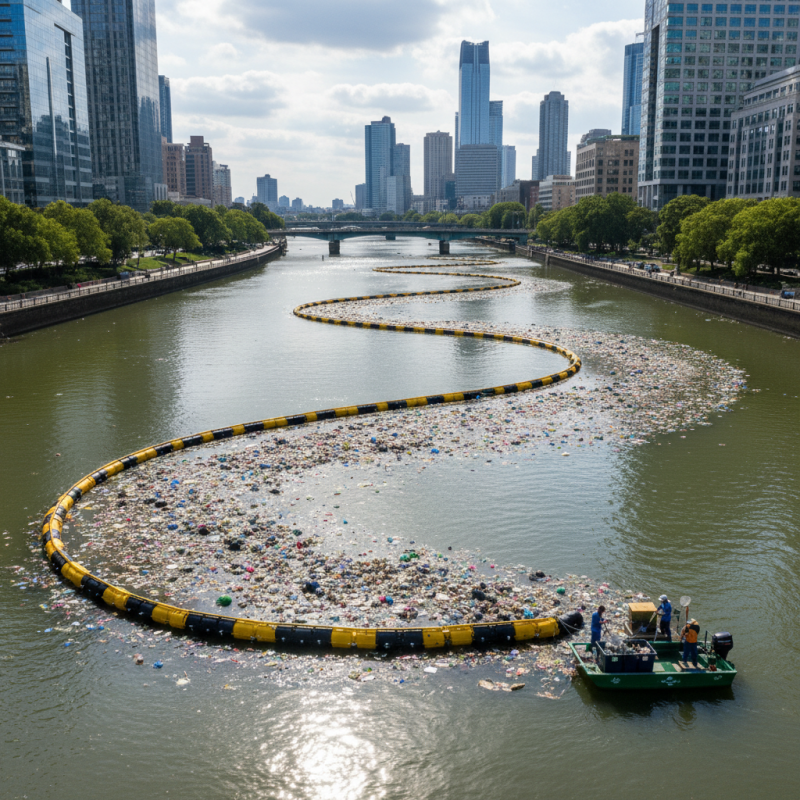
Floating barriers play a crucial role in pollution control by providing a straightforward solution to contain and remove pollutants from water bodies. These barriers are designed to float on the water surface, preventing debris, oil, and other contaminants from spreading. Their installation can be seen in lakes, rivers, and coastal areas. This approach minimizes the impact of pollution on sensitive ecosystems.
The versatility of floating barriers allows them to be used in various environments. They can be easily deployed and adjusted based on specific needs. For example, they can effectively trap surface debris during storm events or oil spills. Visualizing their real-world application, imagine a serene lake that suddenly faces an influx of trash after heavy rains. Floating barriers swiftly contain the mess, facilitating targeted cleanup efforts.
However, the effectiveness of these barriers is not without challenges. They require regular monitoring and maintenance to ensure they work optimally. Additionally, their presence might create barriers for aquatic life. It's essential to weigh these factors when considering their use. Overall, while floating barriers are an innovative solution, continuous assessment and adaptation are necessary for their long-term success in pollution control.
Top 10 Benefits of Using Floating Barriers for Pollution Control
Mechanisms of Floating Barriers: How They Function
Floating barriers are innovative tools designed for pollution control. They operate on simple physical principles. These barriers are anchored in water to create a barrier against floating debris and contaminants. By employing various materials, such as mesh and booms, they form a protective line.
The floating barrier works by trapping pollutants while allowing water to flow naturally. They can capture plastics and oil spills effectively. The design allows for easy installation in various water bodies, from rivers to lakes. Their flexibility means they can adapt to different environmental conditions, which enhances their utility.
However, challenges exist. Maintenance is crucial to ensure their effectiveness. Debris buildup can hinder their function. Additionally, rising water levels or strong currents may compromise barriers. Continuous assessment is needed to address these issues. Therefore, while floating barriers offer significant benefits, ongoing reflection on their design and operation is essential for optimal performance.
Environmental Benefits of Implementing Floating Barriers
Floating barriers offer significant environmental benefits. These barriers effectively trap debris and pollutants in water bodies, preventing them from spreading further. By positioning them strategically in critical areas, we can significantly reduce the impact of pollution on marine life. They help in maintaining the ecosystem's balance and protecting biodiversity.
When using floating barriers, consider their material. Durable materials can withstand harsh weather conditions. They should also be eco-friendly to ensure they do not contribute to pollution. Regular maintenance is vital to ensure that barriers function effectively. Check for wear and tear, and replace parts when necessary.
Implementing floating barriers can also raise public awareness. They serve as a visible reminder of pollution issues. Communities can engage in cleanup activities around these barriers, fostering a sense of responsibility towards environmental health. This involvement can ultimately lead to long-term behavior changes. Encouraging locals to maintain these installations enhances their effectiveness.
Top 10 Benefits of Using Floating Barriers for Pollution Control
| Benefit | Description | Environmental Impact |
| Pollution Containment | Floating barriers effectively contain pollutants on the water surface. | Reduces the spread of contaminants in waterways. |
| Wildlife Protection | Helps protect aquatic wildlife from pollution. | Maintains biodiversity by safeguarding habitats. |
| Cost-Effective | Provides a lower-cost solution for pollution management. | Enables resource allocation for other environmental projects. |
| Easy Installation | Allows for quick setup and deployment in affected areas. | Immediate response to pollution events. |
| Improves Water Quality | Promotes the removal of debris and pollutants. | Enhanced water clarity and quality for ecosystems. |
| Community Awareness | Raises awareness about pollution issues in local communities. | Encourages community involvement in environmental protection. |
| Versatility | Can be used in various water bodies including lakes, rivers, and oceans. | Applicable for both urban and rural pollution control. |
| Boosts Aesthetic Value | Helps maintain clean and visually appealing water bodies. | Promotes recreational and tourism activities. |
| Long-Term Solutions | Provides ongoing management of pollution sources. | Sustains healthy ecosystems over time. |
| Regulatory Compliance | Assists industries in meeting environmental regulations. | Reduces legal liabilities and fosters compliance. |
Economic Advantages of Utilizing Floating Barriers
Floating barriers offer significant economic advantages in pollution control. They are cost-effective solutions for water quality management. Deploying these barriers minimizes the need for extensive clean-up operations, leading to lower labor and equipment costs over time.
These barriers can be installed quickly and with minimal disruption. Their maintenance is relatively easy compared to other systems. This efficiency can save municipalities a considerable amount of money. Furthermore, floating barriers can enhance local property values. Clean waterways attract tourism and recreational activities, boosting local economies.
However, not all floating barriers perform equally. Their effectiveness may vary based on weather conditions and water currents. Communities should monitor their performance regularly to ensure they meet pollution control goals. Investing in better research and technology could lead to improved designs in the future. This reflects the ongoing need for innovation in environmental protection initiatives.
Case Studies: Successful Applications of Floating Barriers
Floating barriers are gaining traction in pollution control, showcasing their adaptability in diverse environments. Numerous case studies highlight their effectiveness. In one notable instance, a floating barrier deployed in a heavily polluted urban waterway reduced floating debris by over 75% within just six months. Such results emphasize the immediate impact these barriers can have on water cleanliness.
Another compelling case involved a coastal community plagued by algal blooms. By using a series of floating barriers to capture and contain the bloom, the municipality reported a 40% reduction in toxins in the water. This not only improved water quality but also enhanced local recreational activities. Interestingly, while barriers are effective, they can require periodic adjustments and maintenance to ensure ongoing performance.
The success of these installations illustrates both potential and challenges. Some barriers struggle to contain smaller contaminants, necessitating supportive measures for comprehensive pollution control. Nevertheless, these examples reinforce the role of floating barriers as valuable tools in environmental management, helping to safeguard aquatic ecosystems.

