What are the Benefits of Casement Windows for Your Home?
Casement Windows are a popular choice for homeowners seeking both style and functionality. Their unique design allows for excellent ventilation and unobstructed views. Unlike traditional double-hung windows, casement windows operate outward with a simple crank mechanism. This feature enhances airflow, making your home feel fresh and inviting.
A key advantage of casement windows is their energy efficiency. When closed, they create a tight seal that reduces drafts. This tightness can lower energy bills, especially during extreme weather conditions. Homeowners often appreciate the security casement windows provide. The locking mechanism is usually more robust than that of sliding windows.
However, it's essential to consider the maintenance involved. Casement windows can be challenging to clean, especially for taller installations. Additionally, frequent use of the crank mechanism may lead to wear over time. Homeowners should contemplate these factors to determine if casement windows align with their lifestyle needs and preferences. Overall, casement windows offer a blend of beauty and practicality for today's homes.
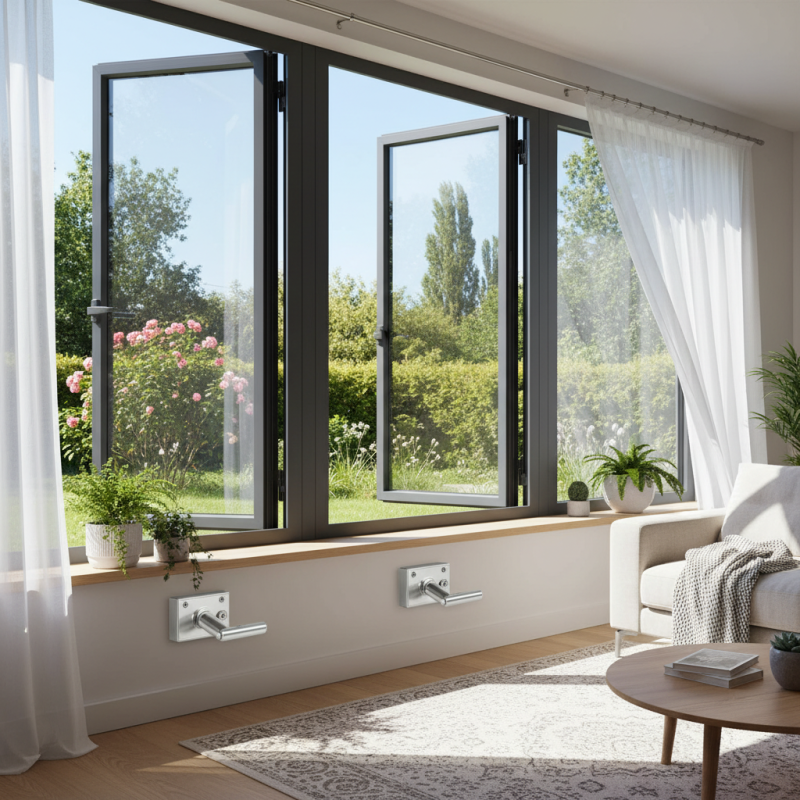
What are Casement Windows and How Do They Work?
Casement windows are hinged on one side and open outward. They provide a clear view and ample ventilation. When opened, they catch the breeze. This feature makes them a popular choice for homes that benefit from natural airflow. Their design allows for maximum light intake. You can enjoy beautiful views of your garden or neighborhood.
These windows are operated using a simple crank mechanism. This makes them easy to open and close. They can be locked securely when shut, adding to your home's safety. Casement windows are energy-efficient, as they create a tight seal when closed. This reduces drafts and lowers energy bills. However, keep in mind their outward-opening design may not be practical in some locations, as they can obstruct pathways or areas near walkways.
The materials used for casement windows are diverse. Many options include vinyl, wood, and fiberglass. Each material has its own pros and cons. Wood offers warmth and beauty but requires regular maintenance. Vinyl is low-maintenance and energy-efficient. However, it may lack the aesthetic appeal of wood. You need to choose materials that suit your home and lifestyle. Reflecting on your choices can lead to better decisions.
Benefits of Casement Windows for Your Home
Enhanced Ventilation: The Key Advantage of Casement Windows
Casement windows provide significant benefits, particularly in terms of ventilation. They open outward, allowing for maximum airflow. This design facilitates cross-ventilation, which is essential for maintaining indoor air quality. Research from the American Institute of Architects indicates that effective ventilation can reduce humidity levels by up to 60%. This is vital for homes in various climates.
Additionally, casement windows can improve energy efficiency. When opened, they create a natural breeze, reducing reliance on HVAC systems. A study by the Department of Energy found that homes utilizing natural ventilation can save as much as 30% on cooling costs during summer months. This can be particularly advantageous during sweltering temperatures.
However, homeowners need to consider certain factors. The window’s opening mechanism can be a concern in windy areas. If not properly secured, they may remain ajar during storms. Regular maintenance of the hinges is essential for longevity. Balancing the benefits with potential drawbacks is key when deciding on casement windows for your home.
Energy Efficiency: Saving on Utility Bills with Casement Windows
Casement windows are a popular choice for homeowners looking to enhance energy efficiency. These windows open outward, allowing more fresh air into your home. This feature can help reduce reliance on heating and cooling systems. As a result, you can save significantly on utility bills.
When considering casement windows, pay attention to their sealing. Quality seals prevent air leaks. This is crucial for maintaining a stable indoor temperature. A well-sealed window can keep cold drafts out during winter, reducing heating costs.
**Tips:** Choose double or triple-pane glass for better insulation. This adds layers of protection against outside temperatures. Check for Energy Star ratings to ensure you’re getting an efficient product. Regular maintenance of the hinges and seals can also extend the lifespan of your windows.
In colder months, test for leaks. If you feel drafts, consider additional weather stripping. Addressing these issues early can enhance the benefits of your casement windows. Always consult with a professional for installation advice if you're unsure. Quality installation is as important as the window features themselves.
Security Features: How Casement Windows Protect Your Home
Casement windows offer exceptional security features that enhance the safety of your home. Their unique design allows them to open outward, which creates a tighter seal when closed. This reduces the risk of break-ins, as it is more difficult for intruders to gain access. Additionally, casement windows come with sturdy locking mechanisms that engage the frame, providing added protection.
Another important aspect is visibility. Casement windows often have fewer obstructions than traditional designs. This means you can easily spot anything unusual outside. Being able to see clearly can be a deterrent for any would-be intruder. Furthermore, these windows are usually fitted with laminated or tempered glass, which is more difficult to break.
However, it's essential to consider the local environment. If you live in a high-wind area, casement windows might be vulnerable to damage during severe storms. Reflecting on your location’s specific risks can guide your choice. Regular maintenance is also key; ensuring the locks and hinges remain in good working condition can significantly impact their effectiveness.
Aesthetic Appeal: Design Versatility of Casement Windows
Casement windows are celebrated for their aesthetic appeal and design versatility. Their unique hinge system allows them to open outward, providing an unobstructed view of the outdoors. This design feature increases natural light and enhances the overall look of a home. According to a report by the American Architectural Manufacturers Association, casement windows can increase a property's value by as much as 10%.
Different styles of casement windows can complement any home design. From sleek modern lines to traditional styles, casement windows adapt well to various aesthetics. This flexibility makes them a favorite among architects and designers. Adding decorative grilles or choosing custom colors can further personalize these windows.
**Tips:** Consider the orientation of your home when selecting casement windows. They perform best in breezy environments, maximizing airflow. Always check local regulations about window installations to avoid complications.
While casement windows offer numerous benefits, they may not be suitable for every climate. In areas with extreme winds, the outward opening can be a concern. Reflect on your local weather patterns when making a decision. Investing in quality might mean higher upfront costs, but the long-term benefits are worth it.
What are the Benefits of Casement Windows for Your Home? - Aesthetic Appeal: Design Versatility of Casement Windows
| Feature | Benefit | Design Options |
| Variety of Styles | Enhances architectural aesthetics | Available in modern, traditional, and contemporary designs |
| Customizable Finishes | Allows homeowners to match their home decor | Painted or stained wood options |
| Enhanced Natural Light | Creates bright, airy living spaces | Large glass area with minimal frame |
| Wind-friendly Operation | Can catch breezes and improve air circulation | Varies from side-hinged openings to top-hinged options |
| Energy Efficiency | Reduces heating and cooling costs | Multiple glazing options available |

