2026 Top Spunbond Polypropylene Trends for Global Buyers?
The world of Spunbond Polypropylene is evolving rapidly. In 2026, global buyers can expect significant trends that reflect both innovation and sustainability. Spunbond Polypropylene's lightweight and durable properties make it a favorite across various industries, from packaging to textiles.
Understanding these emerging trends is essential for buyers looking to stay ahead. One notable trend is the increasing demand for eco-friendly alternatives. Consumers are becoming more aware of environmental impacts, pushing manufacturers to adapt. This shift often requires a reevaluation of material sourcing and processing methods.
Additionally, advancements in technology are enhancing the production of Spunbond Polypropylene. These innovations can lead to improved functionality and cost-effectiveness. However, staying competitive often necessitates continuous learning and adaptation. The landscape is changing, and buyers must reflect on their strategies to navigate these shifts successfully.
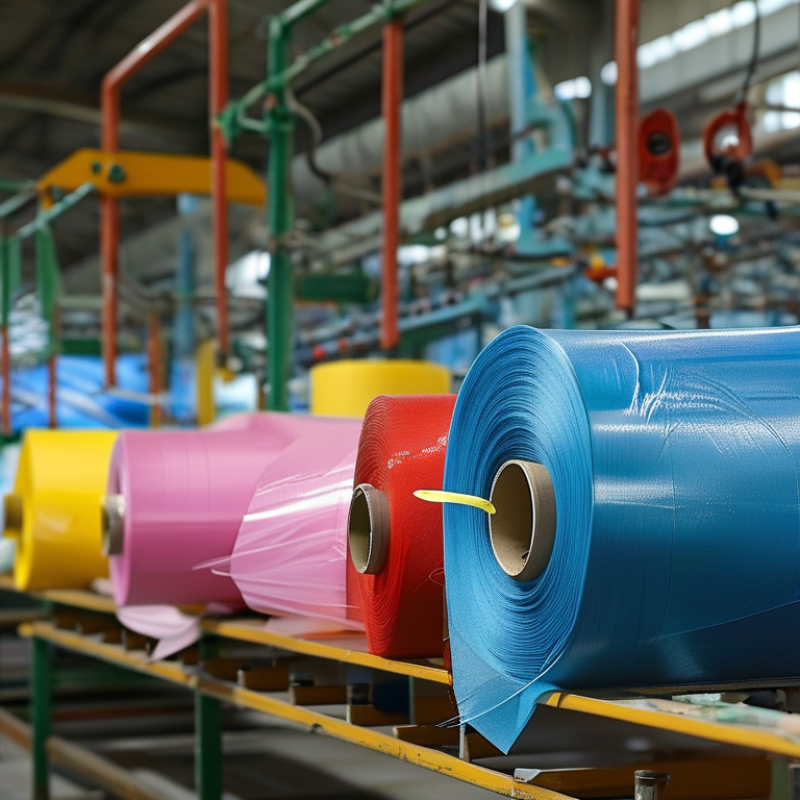
Emerging Innovations in Spunbond Polypropylene for 2026
In 2026, the landscape of spunbond polypropylene is set to evolve significantly. Innovations are emerging, focusing on enhancing durability and versatility. According to recent market studies, the global demand for spunbond polypropylene is projected to grow by over 5% annually. This growth is driving research into advanced manufacturing techniques.
New processing methods are making spunbond fabrics lighter yet stronger. These fabrics are increasingly employed in industries like medical, automotive, and agriculture. Recent reports highlight that biodegradable options are gaining traction. They allow manufacturers to balance functionality with sustainability. However, the challenge remains in maintaining performance while reducing environmental impact.
Another trend is the customization of spunbond polypropylene. Companies are exploring ways to create fabrics with specialized properties. This makes them more suitable for specific applications such as filtration or insulation. Yet, developing these tailored solutions requires investment and expertise that not all manufacturers can afford. As the industry advances, striking a balance between innovation and practicality will be essential for global buyers in 2026.
2026 Top Spunbond Polypropylene Trends for Global Buyers
| Trend | Description | Market Impact | Predicted Growth Rate (%) |
| Sustainability Focus | Increased demand for eco-friendly spunbond polypropylene alternatives that are recyclable and biodegradable. | Strong shift towards sustainable practices in packaging and consumer goods industries. | 15% |
| Advanced Functionality | Integration of performance-enhancing additives to improve strength, durability, and water resistance. | Greater application range in construction and medical sectors. | 10% |
| Customization Trends | Growing inclination towards tailored spunbond polypropylene solutions to meet specific customer needs. | Increased customer satisfaction and loyalty across various industries. | 12% |
| Smart Textiles | Development of spunbond polypropylene materials that incorporate smart technologies like sensors and conductive fibers. | Expanding applications in wearable technology and healthcare. | 20% |
| Automation & Efficiency | Implementation of automated production processes that enhance efficiency in spunbond polypropylene manufacturing. | Reduced production costs and increased output benefits. | 18% |
Sustainable Practices in Spunbond Polypropylene Production
Sustainable practices in spunbond polypropylene production are becoming increasingly essential. According to a recent report by Grand View Research, the global market for spunbond polypropylene is expected to reach $6.5 billion by 2026. This growth underscores the demand for eco-friendly manufacturing methods. Many companies are investing in recycled materials to meet these requirements.
The use of post-consumer recycled polypropylene not only reduces waste but also lowers the carbon footprint of production. However, the process of recycling polypropylene poses challenges. The quality of recycled material may vary, impacting product performance. It's crucial for manufacturers to establish stringent quality controls to ensure reliability in their products.
Moreover, integrating renewable energy sources in production facilities is gaining traction. A study by the International Energy Agency indicates that renewable energy can reduce emissions by up to 30%. While this shift is promising, it requires significant investment and innovation, which can be daunting for smaller manufacturers. Therefore, collaboration in the industry is vital to develop practical solutions.
Market Demand Trends Affecting Spunbond Polypropylene Pricing
The demand for spunbond polypropylene continues to evolve in 2026. Industry reports indicate that the global market is expected to grow at a CAGR of 5% from 2023 to 2028. This increasing demand is primarily driven by applications in hygiene products, medical supplies, and packaging. These sectors heavily rely on the material due to its lightweight and strong properties.
Pricing trends for spunbond polypropylene are closely tied to raw material costs. Polypropylene resin prices have seen volatility, influenced by crude oil prices and supply chain disruptions. Recent data suggests that resin prices could rise by 10-15% in the next year, affecting overall production costs. Additionally, environmental concerns drive innovation in sustainable alternatives, impacting traditional pricing structures.
Moreover, regional variations in demand highlight discrepancies. Developing markets showcase less stability in pricing, reflecting local economic conditions. Buyers must be aware of these market dynamics and how they influence procurement strategies. Understanding these trends can lead to better forecasting and strategy development for sourcing materials effectively. The interplay between demand, supply chain complexities, and pricing remains critical for stakeholders in 2026.
Key Players in the Global Spunbond Polypropylene Industry
The global spunbond polypropylene industry is seeing significant growth. Many key players are driving this trend, focusing on innovation and sustainability. Companies are investing in advanced technologies to improve production efficiency. The emphasis is on creating high-quality materials that meet diverse customer needs.
Among the industry's leaders, there is a strong push for environmentally friendly production methods. Some companies still rely heavily on traditional techniques, which can be harmful. This creates a split in the market, with some producers embracing change and others resisting it. Consumers are increasingly demanding responsible practices, influencing which players succeed.
Market dynamics are shifting. As global demand for spunbond materials rises, competition intensifies. New entrants are challenging established leaders. This leads to a mix of opportunities and challenges. Key players must adapt swiftly to emerging trends. Failure to innovate may cost them market share in this evolving landscape.
Future Applications of Spunbond Polypropylene in Various Sectors
Spunbond polypropylene has gained significant traction across various industries. Its durability and lightweight properties make it ideal for multiple applications. In the medical sector, for instance, spunbond is widely used in surgical gowns and masks. These items must meet strict hygiene standards. Yet, achieving this can be challenging, especially with global supply chain fluctuations.
The agricultural realm also benefits from spunbond polypropylene. It's increasingly used in crop covers and mulch films. These materials help regulate temperature and moisture for better yield. However, concerns about biodegradability remain. The industry must address these sustainability issues to meet evolving environmental needs.
In the automotive field, spunbond polypropylene is utilized in interior components. It offers sound insulation and aesthetic appeal. Nonetheless, the challenge lies in balancing cost and quality. As the material evolves, it's essential to rethink existing applications and find innovations that cater to future demands.

