What Are the 2026 Top Bathroom Basin Tap Types?
Choosing the right Bathroom Basin Tap in 2026 means balancing appearance, water efficiency, installation, and daily comfort. Modern bathrooms now offer more than one familiar chrome mixer.
This guide explores popular types, including single-hole mixers, widespread taps, wall-mounted designs, vessel basin taps, and touchless sensor models. Each option creates a different experience beside the basin. Some feel simple. Others need careful planning.
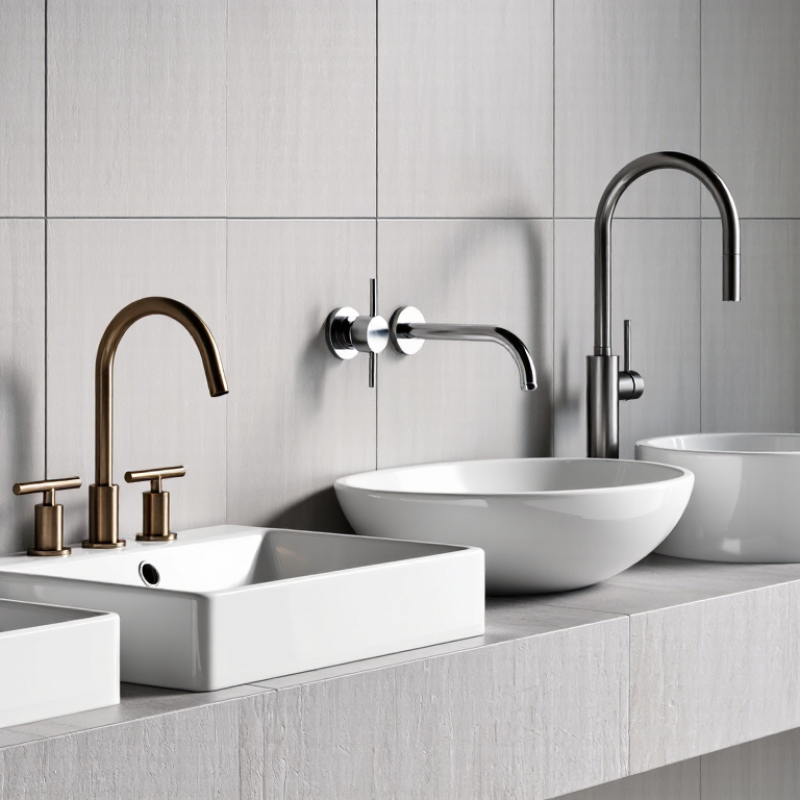
Single-hole mixers suit compact vanities and straightforward renovations. Widespread taps provide stronger visual balance across wider basins. Wall-mounted taps save deck space, but their pipework requires accurate positioning behind the wall. Vessel taps add height for countertop basins, although incorrect measurements can cause splashing. Sensor taps improve hygiene, yet batteries and electrical access deserve attention.
In professional bathroom projects, plumbers usually check basin compatibility, spout reach, water pressure, cartridge quality, and maintenance access. Manufacturer specifications matter more than attractive product photography. Look for reliable testing information and certification suitable for your region. Water-saving aerators can reduce flow while keeping the stream comfortable, but performance varies between homes.
The newest designs are not automatically the best. That is worth remembering.
A matte black finish may show mineral marks quickly. Brushed brass can age beautifully, but cleaning products may affect its surface. Chrome remains practical because it is familiar, durable, and easy to wipe. This overview will compare the strongest 2026 choices, while acknowledging an inconvenient truth: design trends change faster than bathroom plumbing.
Bathroom Basin Tap Basics and Their Main Functions
What Are the 2026 Top Bathroom Basin Tap Types?
Bathroom basin taps control water flow, temperature, hygiene, and daily comfort. The main choices include single-hole mixers, centerset taps, widespread taps, wall-mounted taps, and touchless models. A single-hole mixer suits compact basins and offers simple one-hand control. Widespread taps need more counter space, but their separated handles create a cleaner, more flexible installation.
Wall-mounted taps save basin space and create a sharper visual line. However, their plumbing must be planned before wall finishing. Touchless taps reduce hand contact and can support cleaner shared bathrooms. They also require batteries or electrical planning. In my experience, sensor taps feel convenient, but delayed activation can frustrate children and older users. No type is perfect.
The U.S. Environmental Protection Agency’s WaterSense specification limits certified bathroom sink faucets to 1.5 gallons per minute, using at least 30% less water than standard 2.2-gpm models. That figure matters more than a fashionable shape. Choose a suitable flow rate, ceramic cartridge, and easy-clean aerator. Check the basin depth too. A powerful stream may splash onto a shallow countertop.
Tips: Match the tap height to the basin. Keep the spout centered. Test the handle with wet hands. For hard-water areas, choose removable aerators and wipe mineral deposits regularly.
Key Types of Basin Taps Emerging in 2026
In 2026, basin tap design is moving beyond simple hot and cold controls. The strongest emerging type is the touchless sensor tap. It starts water flow when hands enter the detection zone. This improves hygiene and reduces water waste in busy bathrooms. However, sensors can misread dark surfaces or react slowly under weak lighting. Small details matter.
Low-flow aerated taps are also becoming more common. They mix air into the stream while maintaining a comfortable washing pressure. A well-designed outlet can reduce splashing around a shallow basin. Water performance still depends on household pressure, so product claims need careful checking. I have found that “eco” does not always mean pleasant to use.
Wall-mounted basin taps are gaining attention in minimalist and compact bathrooms. They leave more space around the basin and make cleaning easier. Thermostatic and temperature-memory controls are emerging in higher-end installations. These features can help families avoid sudden hot water. Yet, they add parts, cost, and installation requirements. A reliable installer should check pipe positions before the wall is finished. Smart controls sound impressive, but they are not essential for every home. Simplicity may still win.
What Are the 2026 Top Bathroom Basin Tap Types?
The chart compares key basin tap types expected to remain prominent in 2026 by their typical number of mounting or supply connection points. Single-hole and touchless taps generally use one deck opening, centerset and widespread taps use three, while wall-mounted and bridge taps commonly require two connection points. Actual installation requirements may vary by model and plumbing layout.
How Tap Designs Differ in Installation and Operation
What Are the 2026 Top Bathroom Basin Tap Types?
How Tap Designs Differ in Installation and Operation
Bathroom basin taps now vary widely in installation, control, and maintenance. Single-hole mixer taps remain practical for modern basins. They combine hot and cold water through one body. Installation usually requires one drilled opening and two flexible supply hoses. A single lever adjusts temperature and flow quickly, even with wet hands.
Widespread taps use separate hot and cold handles. Their wider layout suits larger countertops and traditional bathroom designs. However, installers must measure the basin carefully before drilling. Small errors can leave the handles uneven. That detail is easy to overlook. Centreset taps offer a compact alternative, with the spout and handles mounted on one base. They are often simpler to replace because the connections stay close together.
Wall-mounted taps create a clean, open basin area. Their pipework sits inside the wall, so installation demands accurate height and depth planning. Repairs may become harder if access panels are missing. Sensor taps operate without a handle, using an infrared detector to control water flow. They can improve hygiene, but batteries, sensors, and electrical connections need regular checking. Thermostatic models add temperature control, although they may feel slower during adjustment.
From installation experience, the best type depends on wall structure, water pressure, and daily habits. A beautiful design can still disappoint when servicing space is ignored. I sometimes prefer a simple ceramic cartridge tap because fewer parts can fail. Yet convenience matters, and touchless operation deserves consideration in busy bathrooms.
Choosing the Right Basin Tap for Different Bathroom Needs
What Are the 2026 Top Bathroom Basin Tap Types?
Choosing the right basin tap starts with the bathroom’s daily demands. A single-hole mixer suits compact vanities and keeps cleaning simple. Its single lever also helps users adjust water temperature quickly. For shared bathrooms, a widespread tap offers separate hot and cold controls. It needs more counter space, but the layout feels balanced and easier to repair.
A wall-mounted tap can free valuable basin space in narrow rooms. Check the wall depth and pipe positions before choosing one. A tall basin tap works well with countertop vessels, yet its height must match the bowl. Otherwise, water may splash onto the mirror or floor. Touchless taps can improve hygiene in family bathrooms. They need reliable power and careful sensor placement. Small detail, big difference.
In my experience, water pressure changes the final result more than many shoppers expect. A low-pressure home may perform poorly with a wide spout or advanced spray feature. Look for a certified flow-control aerator that maintains a comfortable stream. Finishes also require thought. Brushed surfaces often hide fingerprints better than polished ones, but they still need gentle cleaning. I once underestimated handle clearance beside a raised backsplash. The tap worked, but daily use felt awkward. Measure the basin, backsplash, user reach, and plumbing points together. A qualified installer can confirm compatibility before the wall or countertop is opened.

