2025 Guide: How to Choose the Best Copper Wire for Your Projects
When embarking on any electrical or crafting project, the right materials make all the difference, and this is especially true when it comes to choosing copper wire. According to industry expert Mark Johnson, "Selecting the appropriate copper wire not only enhances the durability of your project but also ensures optimal performance." As copper wire remains a staple in both commercial and DIY projects, understanding the various types available is crucial for achieving the best results.
In 2025, the market for copper wire continues to expand, with innovations and improvements that cater to a wide array of applications. From general wiring needs to specialized uses in electronics and industrial applications, selecting the best copper wire can seem daunting, especially with the myriad of options available. This guide will provide you with essential insights into the properties of copper wire, the factors to consider during your selection process, and tips on how to effectively implement it in your projects. Whether you are a seasoned professional or a novice enthusiast, knowledge about copper wire is your key to success.
Understanding Different Types of Copper Wire: A Comprehensive Overview
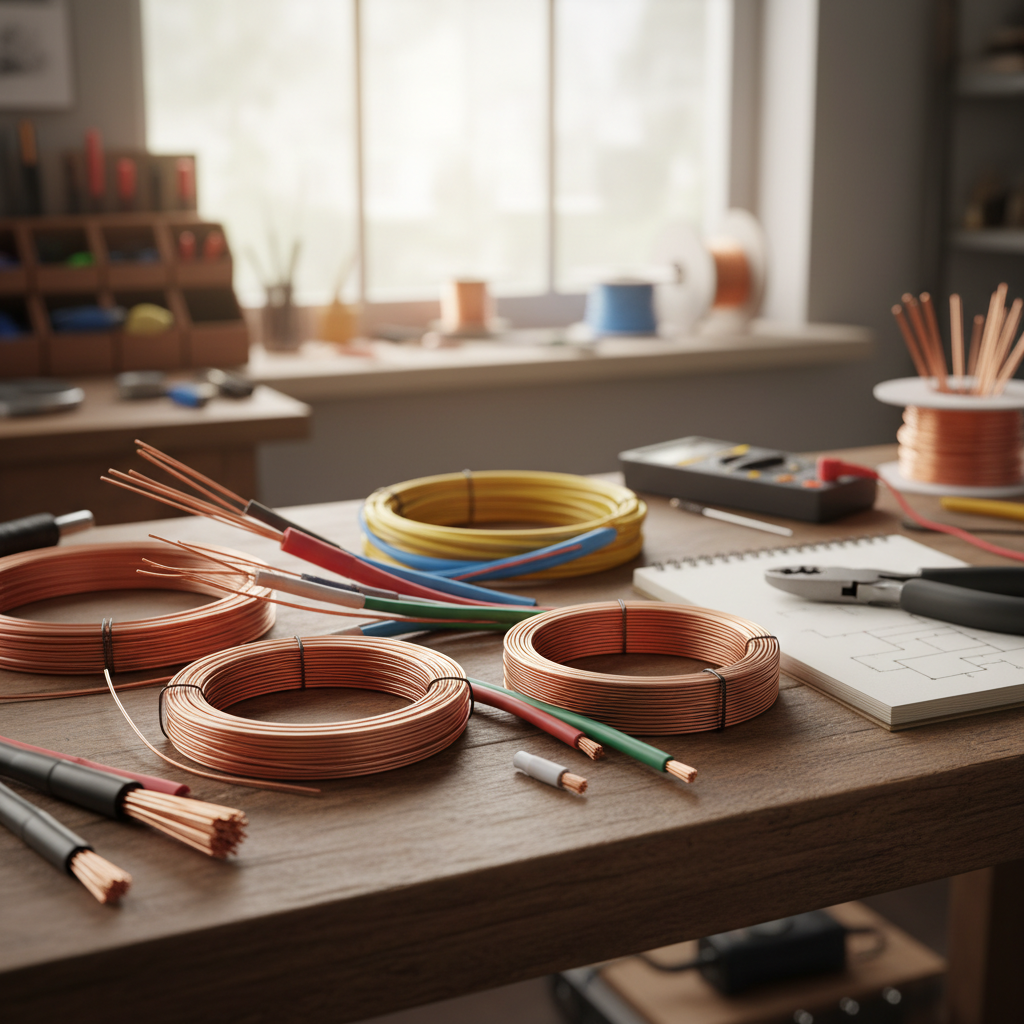
When selecting copper wire for your projects, it's essential to understand the different types available on the market. The most common types include bare copper wire, tinned copper wire, and enameled copper wire. Bare copper wire is ideal for electrical applications due to its excellent conductivity and ease of soldering, making it popular among electricians and DIY enthusiasts. Tinned copper wire, coated with a thin layer of tin, offers enhanced corrosion resistance, which is particularly useful in marine environments or applications subject to moisture.
Enameled copper wire, on the other hand, is often used in transformers and motors due to its insulation properties. The enamel coating prevents short circuits by acting as an insulator while maintaining the conductive qualities of copper. Additionally, specialized variations such as litz wire—composed of many thin insulated strands—are utilized in high-frequency applications due to reduced skin effect. Understanding these differences will help you choose the right type of copper wire tailored to the specific requirements of your project.
Key Factors to Consider When Selecting Copper Wire for Your Projects
When selecting copper wire for your projects, several key factors should be taken into consideration to ensure you choose the best option for your specific needs. First, assess the wire's gauge, which directly affects the current-carrying capacity. Generally, a lower gauge number indicates a thicker wire that can handle higher currents, making it essential for high-power applications. Additionally, consider the wire's insulation type, which can vary based on the environment it will be used in—this is particularly important for projects related to renewable energy sources like solar or wind.
Tips: Always check the wire's temperature rating to ensure it suits the operational conditions. For outdoor or moisture-prone areas, seek wires with robust insulation like THHN or XHHW to prevent short circuits and enhance durability. Furthermore, understanding the local regulations and standards for electrical installations will aid in compliance and safety.
Another critical aspect is the wire's conductivity. Copper is highly conductive, but not all copper wires are created equal. Inspecting for purity and any additional treatments the wire may have undergone can provide insight into its performance in renewable energy applications. Choosing high-quality copper wire can improve efficiency, reduce energy loss, and support sustainable practices in your projects.
2025 Guide: How to Choose the Best Copper Wire for Your Projects - Key Factors to Consider When Selecting Copper Wire for Your Projects
| Wire Gauge (AWG) |
Current Carrying Capacity (Amps) |
Voltage Rating (V) |
Wire Type |
Applications |
| 14 AWG |
15 Amps |
300 V |
Stranded |
Lighting, Small Appliances |
| 12 AWG |
20 Amps |
600 V |
Solid |
Electrical Wiring in Buildings |
| 10 AWG |
30 Amps |
600 V |
Stranded |
Heavy Equipment, Power Tools |
| 8 AWG |
50 Amps |
600 V |
Solid |
Sub-panel Wiring, High Power Devices |
| 6 AWG |
65 Amps |
600 V |
Stranded |
Motor and Generator Circuits |
Comparative Analysis of Copper Wire Gauge Sizes and Their Applications
When selecting the best copper wire for various projects, understanding the gauge sizes and their specific applications is essential. The gauge of copper wire, measured through the American Wire Gauge (AWG) system, significantly affects the wire's conductivity and resistance. Thinner wires, such as 20 AWG, are typically used for low-current applications like electronics and lights, where flexibility and ease of handling are paramount. In contrast, thicker wires, such as 10 AWG, are suited for high-current scenarios, including electrical installations and power distribution, where durability and heat resistance are critical.
In addition to gauge size, the intended application plays a crucial role in the selection process. For instance, stranded copper wire is preferable in situations requiring flexibility, such as in robotics or intricate designs, while solid copper wire is ideal for permanent installations where strength and reliable conductivity are required. Furthermore, environmental factors, such as exposure to moisture or chemicals, must be considered, leading to the choice of insulated versus bare copper wire. By analyzing these factors, individuals and businesses can make informed decisions on the appropriate copper wire that best meets their project requirements.
This chart illustrates the current carrying capacity of different copper wire gauge sizes measured in amperes. Understanding the relationship between wire gauge and current capacity is crucial for ensuring electrical safety and efficiency in various projects.
Evaluating Price vs. Quality: Finding the Right Copper Wire for Budget Projects
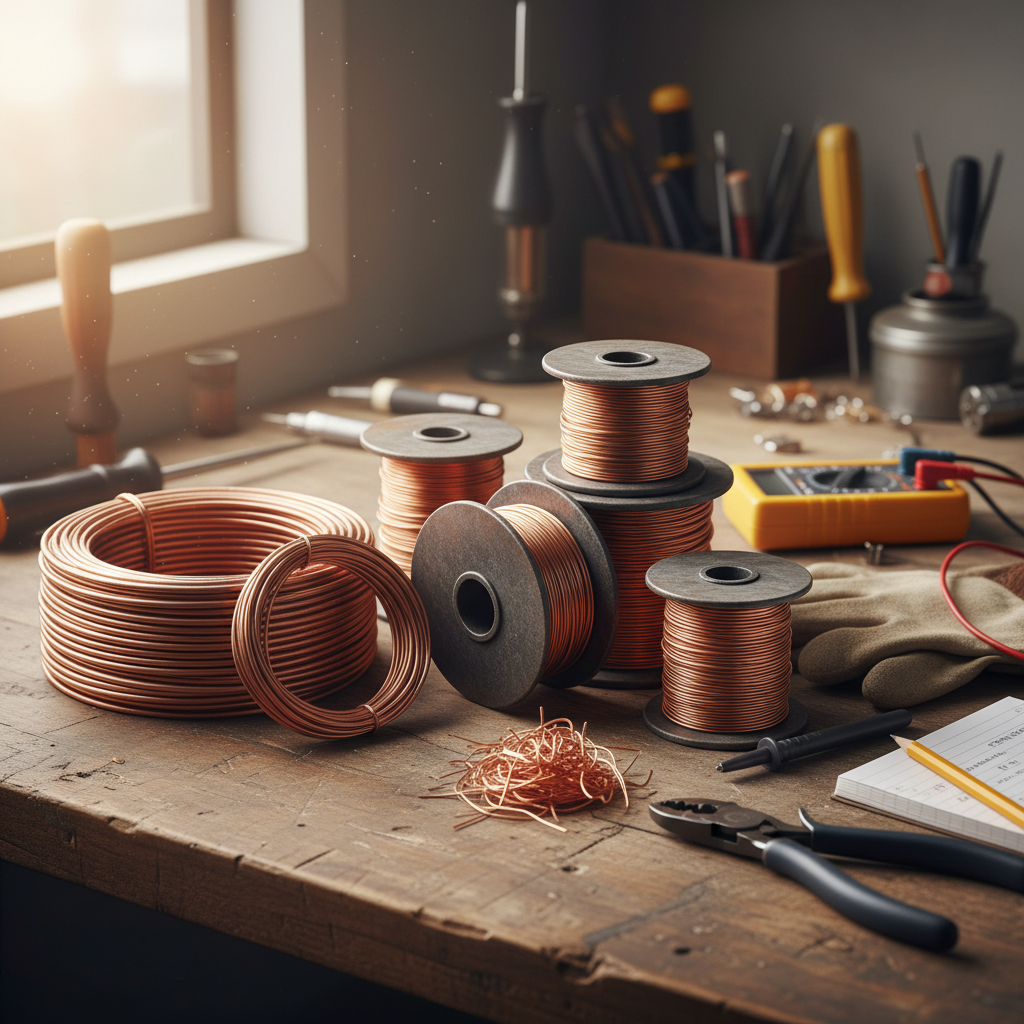
When embarking on a DIY project, the choice of copper wire often comes down to balancing price and quality. Copper wire is essential for electrical applications due to its excellent conductivity and durability. However, with various options available in the market, one must evaluate both the cost and features to find the best fit for their specific needs.
Tip: Before making a purchase, compare the gauge and insulation types of different wires. A lower gauge number indicates a thicker wire, which is often more expensive but significantly improves conductivity and reduces the risk of overheating. Assessing the wire's intended use can save you money. For instance, if you're creating a simple craft project, a less expensive, lighter gauge wire may suffice, while heavier duty tasks will require thicker, higher-quality wire.
Another important factor is the brand's reputation. Opt for established manufacturers known for their reliability. While cheaper alternatives may attract your attention, they can lead to complications down the line. Investing in quality copper wire upfront will ensure the longevity and safety of your project, making it a worthy expense in the long run.
Safety and Compliance Standards for Copper Wire Usage in Electrical Applications
When choosing copper wire for electrical applications, understanding safety and compliance standards is essential for ensuring both performance and safety. Authorities such as the National Electrical Code (NEC) provide guidelines that help determine the appropriate wire sizes and insulation types for various environments. Compliance with these standards reduces the risk of electrical failures and potential hazards, such as overheating or fires, which could jeopardize both equipment and personnel.
Additionally, it is crucial to consider the wire’s insulation rating and its ability to withstand environmental factors. For instance, wires designed for outdoor use must resist moisture and UV radiation, while those intended for high-temperature environments need to have higher heat resistance. By selecting copper wires that meet specific industry standards, project managers can ensure that their installations comply with safety regulations and provide long-lasting and reliable performance in their respective applications.